Penalty points system - Enforcement needed to stop carnage
A much-expanded safety charter brings to 35 the number of offences that now warrant penalty points. And while some new offences are technical and will have little impact on motorists, several will bite.
From April 1, drivers will be given penalty points for breaking traffic lights, overtaking on solid white lines, ignoring stop and yield signs, not using child restraints, and driving on the hard shoulder. Driving a lorry or bus on the outside lane of the motorway will also merit points.
While speeding and seat belt offences are likely to remain the major cause of penalties, anything that curbs the appalling rate of road deaths must be welcomed.
Every driver will attest to the dangerous and reckless behaviour of those who regularly treat the rules of the road with contempt. Careless drivers constantly break the red light, exceed the speed limit, hold mobile phone conversations, or drive with alcohol on board.
Not a weekend goes by without banner headlines on tragic accidents. Sunday morning radio bulletins have become a depressing roll call of those killed on the roads.
Sadly, the names invariable identify young men and women snuffed out by speeding or drink driving. Increasingly, Eastern European immigrant workers are involved in fatal accidents. Behind every name is a grieving family, a distraught parent, son or daughter, left to mourn for their loved ones.
From a PR viewpoint, and especially with after his politically inept handling of the electronic voting debacle, those who advise Transport Minister Martin Cullen might have come up with a more propitious deadline for bringing the new measures into force than April Fool’s Day.
As these measures were originally flagged by the Coalition as far back as 2001, the ensuing delay is an indictment of Government paralysis in the face of a mounting death toll.
It was disingenuous of Mr Cullen to blame the 25% conviction rate in drink-driving cases on the fact that solicitors are running rings around the gardaí in the courts. It should not be beyond the legal resources of the State to plug legal loopholes before legislation is enacted.
Confidence has further been eroded in the administration because it has balked at introducing random breath testing despite its highly successful operation in other countries.
Inexplicably, the Government repeatedly pleaded inability to introduce random testing because its legal advice was that it would be unconstitutional. Out of the blue, however, Taoiseach Bertie Ahern announced this week that the Attorney General has finally given the green light for random tests.
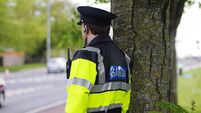
Despite its strong initial impact on motorists, the penalty points system has since fallen into disrepute because enforcement has largely been ineffectual outside garda blitz campaigns.
This year, motorists who flout the road traffic laws should face much tougher enforcement on the roads when a new computer and camera system is linked to the much-criticised Garda Pulse computer database.
Let us hope the new ministerial road safety group announced by Mr Cullen will also prove effective.
Unless adequate resources are ploughed into road safety, and until the traffic laws are robustly enforced, the appalling carnage on Ireland’s roads will continue unabated.