Margaret E Ward: Falling birth rates show women want kindness, not 'strong men'
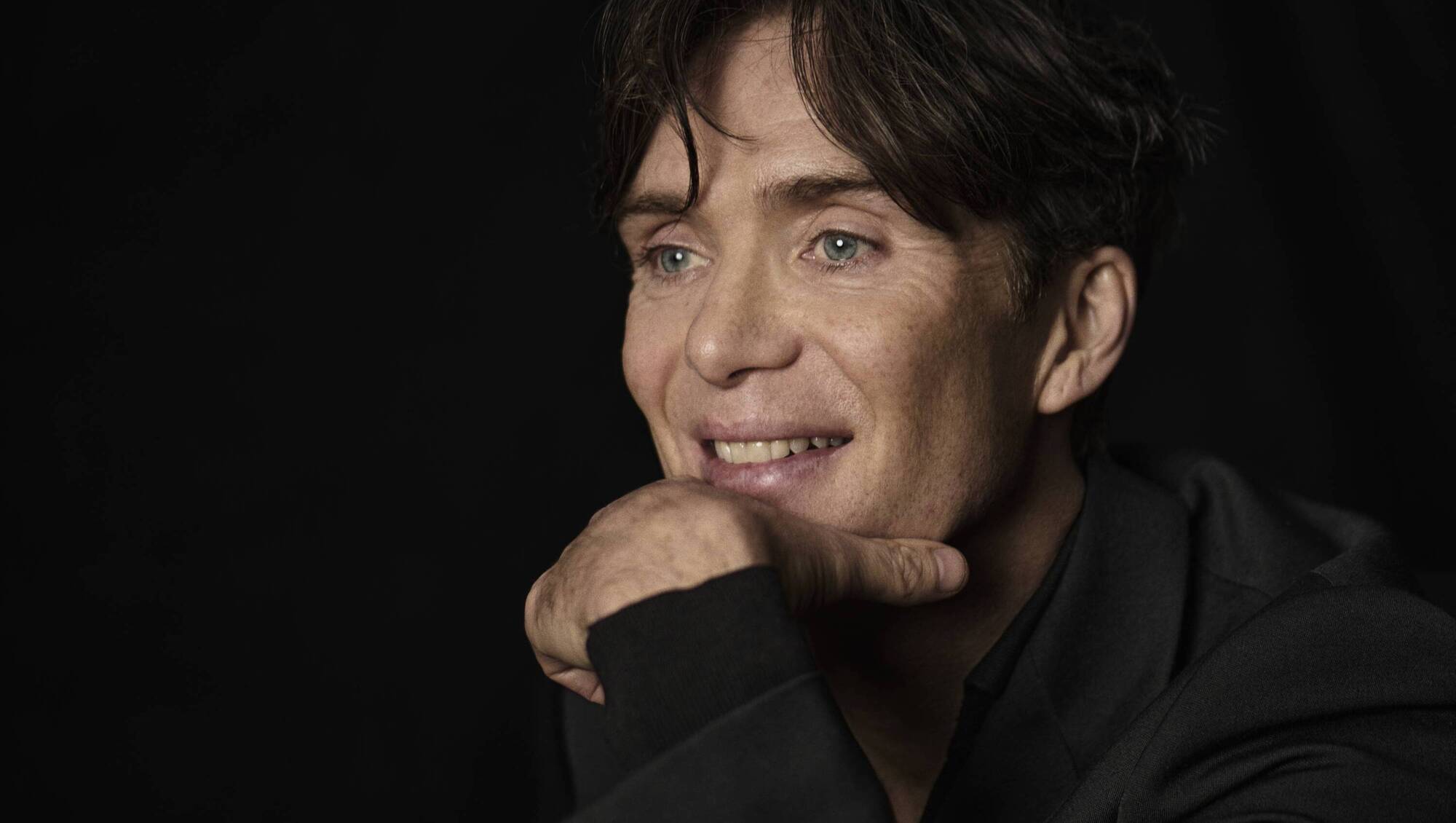
Cillian Murphy: A swoon-worthy man and ideal partner.
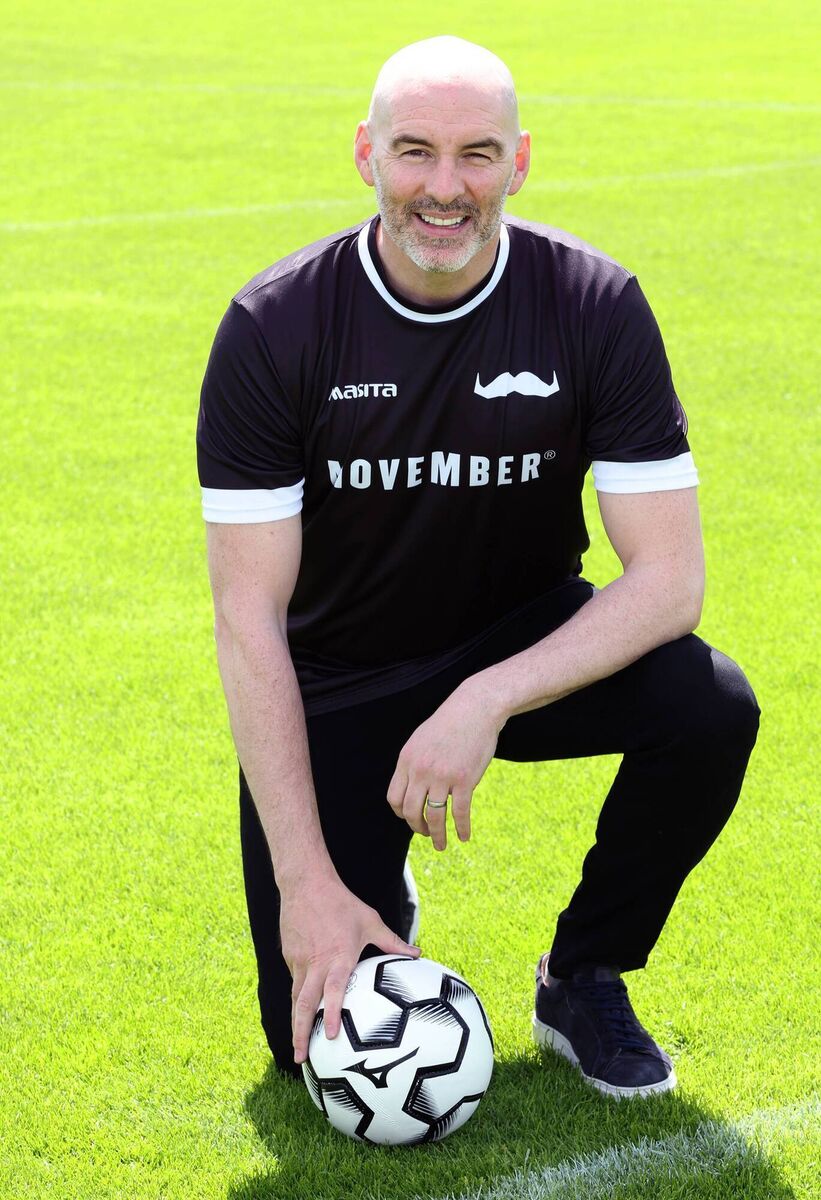
Not long ago, men like Cillian Murphy, Richie Sadlier and Donncha O'Callaghan were considered the ideal partner. Swoon-worthy men like them are kind, honest and look out for other people. Good manners, maturity and respect for a partner are part of their very attractive brand, whether they intended it or not. They are gentlemen.
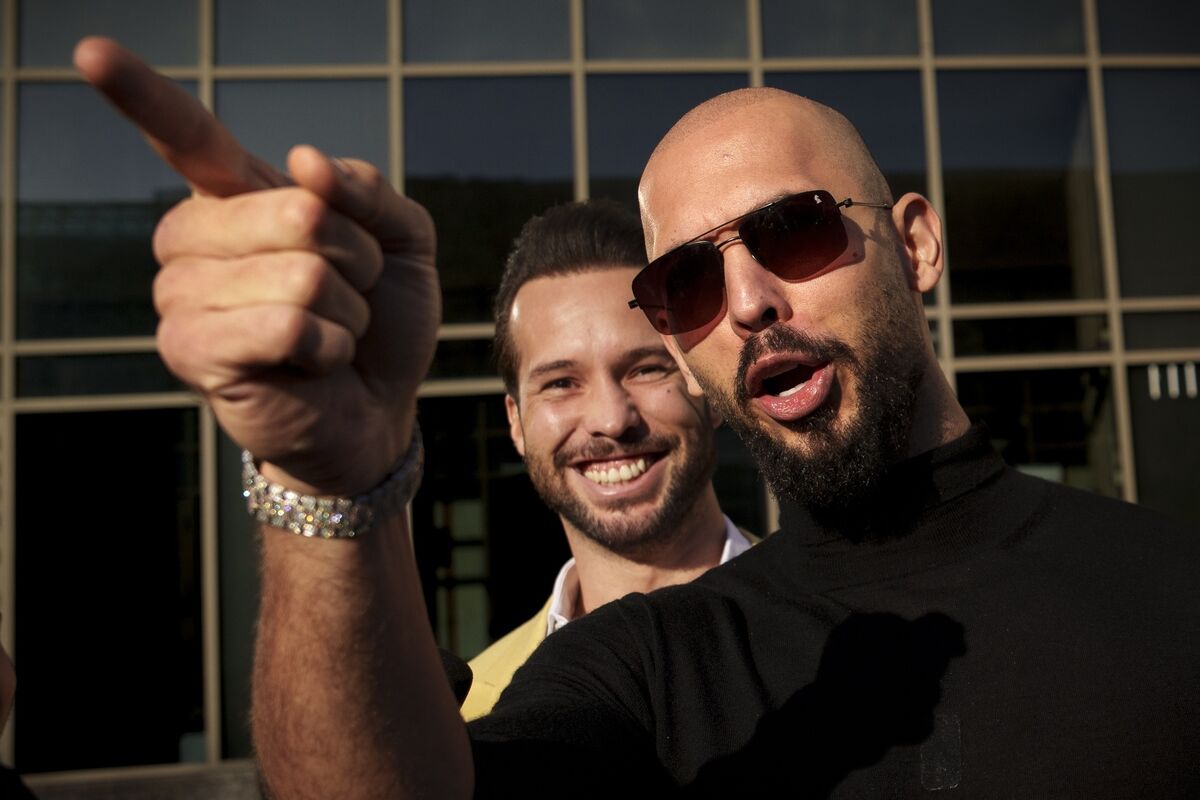
In the age of the so-called strong man — Conor McGregor, Andrew Tate, Donald Trump — a different message has taken hold: the way to win a partner is to looksmax, pump iron, or simply wear her down. The most desperate men now pay online influencers for scripts on how to trick women, and sometimes men, into bed, deploying manipulation tactics like negging and the threat of doxxing to keep women in their place.
When we combine self-appointed “how to be a man” coaches with 24/7 access to violent pornography, we’re shaping a generation of angry, damaged, self-centred young men who want women to just shut up and serve them. Is it any wonder women are stepping back from relationships, marriage and children?

Gender wars are a lucrative business for some but socially corrosive for all. Most men and women want genuine connection with another human being. But when you are conditioned to believe potential mates are prey to be hunted and degraded, and that intimacy is only ever a transaction, the result is loneliness and rage.
We have seen this playbook before. Dehumanising one group of people is a reliable strategy for fracturing communities and destabilising democracies. As women and people of colour have gained ground at work and in life, some men have struggled with a changing sense of who they are and where they belong.
In the space of a few years, whole subcultures have sprung up to put women back in their place for the crime of believing they are equal and entitled to their own choices. At one end sit the incels, who feel they’re owed sex with the average-looking women they sneer at as "Beckys".

At the other are pronatalist ideologues who demand women bear as many children as possible, as young as possible. In between is the fashionable tradwife, encouraged to submit to her husband, set aside her own needs, raise the children, run the home and still work full-time on the farm or as a social media influencer. A fine arrangement for the husband; a risky one for the wife.
What these men are selling, most women aren't buying. In Ireland, the birth rate has fallen by 18% in a decade. The marriage rate has dropped to 3.8 per 1,000 people, down from 4.8 10 years ago. Even the share of people who say they are in a relationship is sliding. Who could blame them?
Young women and teenage girls are entering the dating pool at a time of rising violence and sexual abuse against women. Their caution comes not just from the headlines — women murdered in their own homes or when out for a run, husbands drugging their wives and inviting strangers to rape them or pay to watch — it’s shaped by their everyday experiences.
Modern dating is a game of Russian roulette in which the rules keep changing. A man asks you out and, in that instant, you run a set of calculations your mother and grandmother rarely had to. Is he filming this on his phone, or his glasses? If I say "no thank you", will he post a faked, sexualised image of me online? Could he spike my drink? Has he been violent with a previous partner, or harmed a child? Is he even who he says he is? If I leave, will he or his friends follow me home, or track me afterwards?
Imagine that you, or someone you love, had lived through even one of these situations. You’d think most men are like this. Would you keep dating?
Marriage and children only raise the stakes, as too many Irish cases of domestic violence, coercive control, child abuse and femicide make clear, much of it now supercharged by technology. Women may be controlled and tracked through devices hidden in their cars, their phones, even a child's teddy bear. And a woman weighing whether to leave an abusive partner must make a heartbreaking calculation: if I try to go, will he kill me and the children?
If any of that sounds like the overheated imagination of a paranoid mind, spend five minutes searching Irish news from the past year — not American or British, Irish.
It doesn't have to be like this. But if the entry fee to a relationship is violence, abuse and contempt, women are entitled to decide the price is too high.
Ireland's falling birth and marriage rates could be turned around more easily than policymakers imagine — if they, and men in general, simply talked to women. Ask women about their lives, what they need from you, and then actually listen.
Being a woman can feel like carrying a 50kg rock everywhere you go, every day. What we want is not complicated: just someone to help carry the rock, or to help lift it away altogether.
Gentlemen understand this already. It’s reflected in decades of academic research too. Study after study finds that when women choose a long-term partner, they prioritise kindness, decency and a genuine sense of partnership over wealth and dominance.
Ethical men are consistently rated as warmer, more admired and better long-term prospects, even when they have less money in the bank. Across 147 countries and every stage of life, that preference for kindness is a consistent one.
When times are harsh and opportunities scarce though, women's preferences shift towards men that are better placed to provide and protect. The more unequal and insecure a society becomes, the harder it pushes women back towards the strong man model. When we build a fairer, safer country for everyone, we create a space in which gentlemen and gentlewomen and their children can flourish together.
Instead of lecturing women and men about falling marriage and birth rates why not ask them ‘what are your expectations for dating, marriage and children?’ and take notes. The gaps will be evident.
Women do not make decisions in a vacuum and many have simply concluded the risk isn't worth it. Bring back the gentlemen, some mutual respect and human decency and watch what happens next.
- Margaret E Ward is chief executive of Clear Eye, a leadership consultancy. margaret@cleareye.ie. Mick Clifford is away

CONNECT WITH US TODAY



Be the first to know the latest news and updates