Maria Crowe: A week in my life searching for public toilets
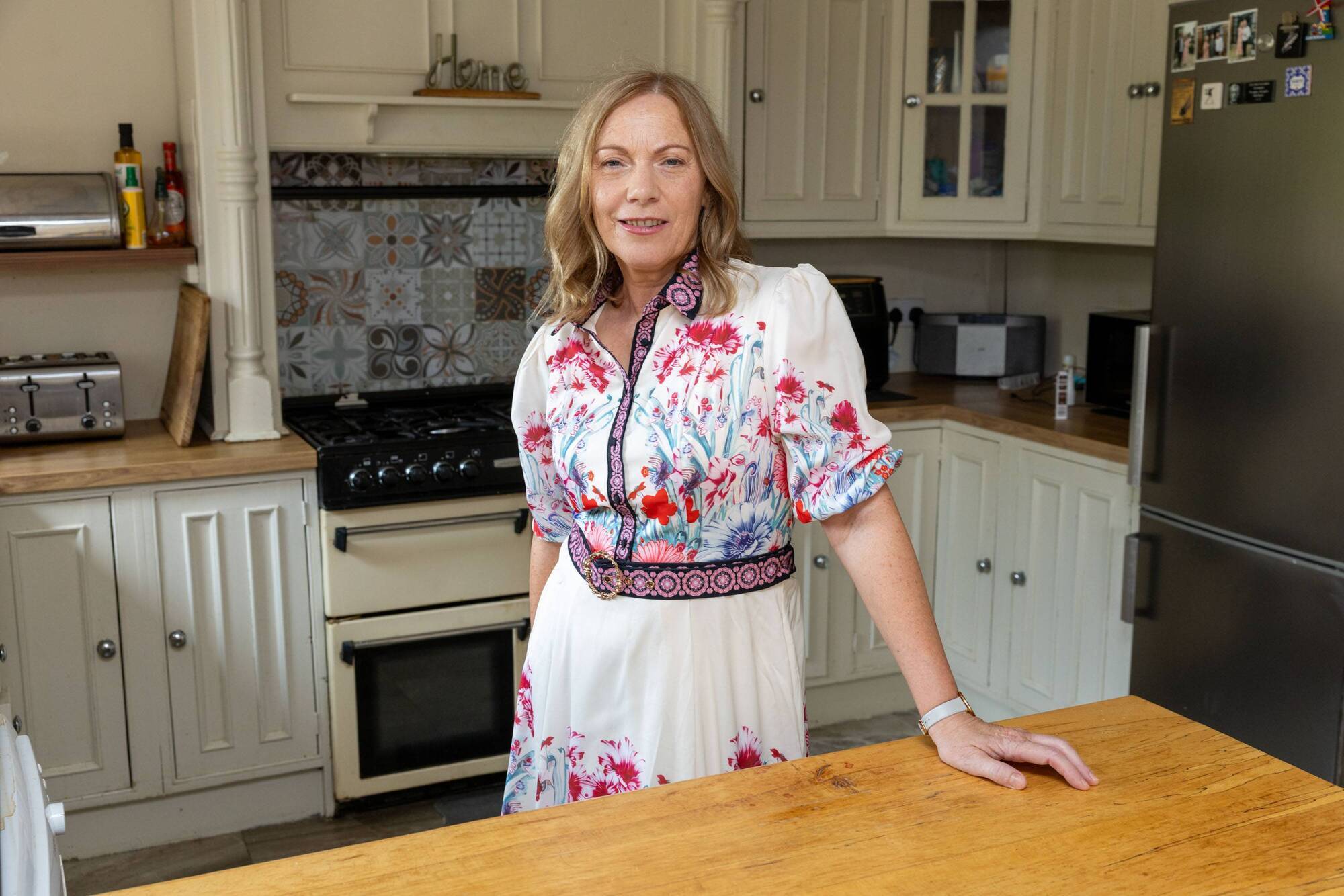
Maria Crowe of the No Wait Card campaign. Photo: Alf Harvey
Painful bladder syndrome — medical definition: a chronic condition causing bladder pressure, pelvic pain, and an urgent, frequent need to urinate.
Maria's definition: a thief of joy, spontaneity, peace of mind and sleep.
A bringer of pain, anxiety and constant thoughts of toilets.
I have been looking forward to this concert for ages. Unfortunately, I am in the middle of a bad flare-up which means constant pressure, pain and frequent visits to the toilet. It means every journey mapped around bathroom stops.
Before leaving the house, I am on Google Maps checking how long it takes to drive from Kildangan to the Aviva in Friday evening traffic.
I already know my regular garage stop on the N7 about 40 minutes from home. After that I scan the route for other service stations hoping they will have accessible toilets if I need them.
Read More
As I reach the Crumlin Road, I am in a lot of pain and desperately need a toilet. I spot a small garage and rush inside. I ask at the till if I can use the toilet.
“Staff toilet only," the man says.
I ask if there is one nearby while bent over in pain.
"No," he replies.
I pull out my Crohn's and Colitis No Wait Card and explain my situation. He pauses and then says: "Go ahead."
As I approach the Aviva, the exact same thing happens. Pain, urgency and panic. Again, I ask to use a toilet and again the answer is no.
Again, I show the card, explain my condition and plead my case. Thankfully they allow me to use the staff toilet.
Despite everything, once Metallica come on stage and after my fourth trip to the bathroom, I find myself singing “Nothing else matters”.
But painful bladder syndrome is a thief of joy, and today it is working overtime.
Living with a chronic pain condition is exhausting.
After several days of pain, urgency and interrupted sleep, today is a recovery day. Hot water bottles, painkillers, lying on the sofa and feeling sorry for myself.
People often hear about the physical symptoms but not the mental side of it. The constant monitoring of your bladder. The scanning for toilets everywhere you go.
It is not just a condition of the bladder. It is also a torture of the mind.
After resting all morning, I decide to visit a friend about 40 minutes away.
Twenty minutes into the journey, however, the familiar cramping and pain start.
One advantage of living in rural Ireland is that there is nearly always a field nearby if things become desperate. It's not ideal but sometimes needs must.
This morning I work on the No Wait Card campaign.
I spend hours reading stories from other people living with bladder and bowel conditions.
People tell me about wearing nappies when going into town, keeping potties in the back seats of cars. Some have become isolated because they are afraid to leave home. Others describe anxiety levels through the roof whenever they are out in public.
These are everyday experiences for thousands of people.
I know their pain. I understand how dramatically life changes after diagnosis because I live it too.
Today I head to work.
It is a new job, which brings its own stresses. Lack of sleep does not help.
The constant night-time toilet trips and pressure make every day that little bit harder.
Thankfully, the toilet is right beside my office. Knowing it is there allows me to relax a little.
Another workday.
The symptoms are slightly better today, and I enjoy something that most people would never even think about: a whole hour without needing to think about the toilet.
For someone with painful bladder syndrome, that feels like a huge victory.
Today I visit a large retailer that refused me access to a toilet a few weeks ago.
I show them my No Wait Card and explain what it means.
I also explain that because I was refused access that day, I ended up urinating behind my car.
It was embarrassing to tell a stranger that story, but people cannot understand unless they are told the reality.
They listened carefully and apologised for the situation I had been placed in. I left hoping that next time someone arrives in distress, they will be treated with a little more compassion.
Hospital day.
I attend the Rotunda Hospital to see my supportive urogynaecologist, Dr Fadi Salemeh.
The hospital has become a regular part of my life. Medications, procedures, appointments and endless journeys.
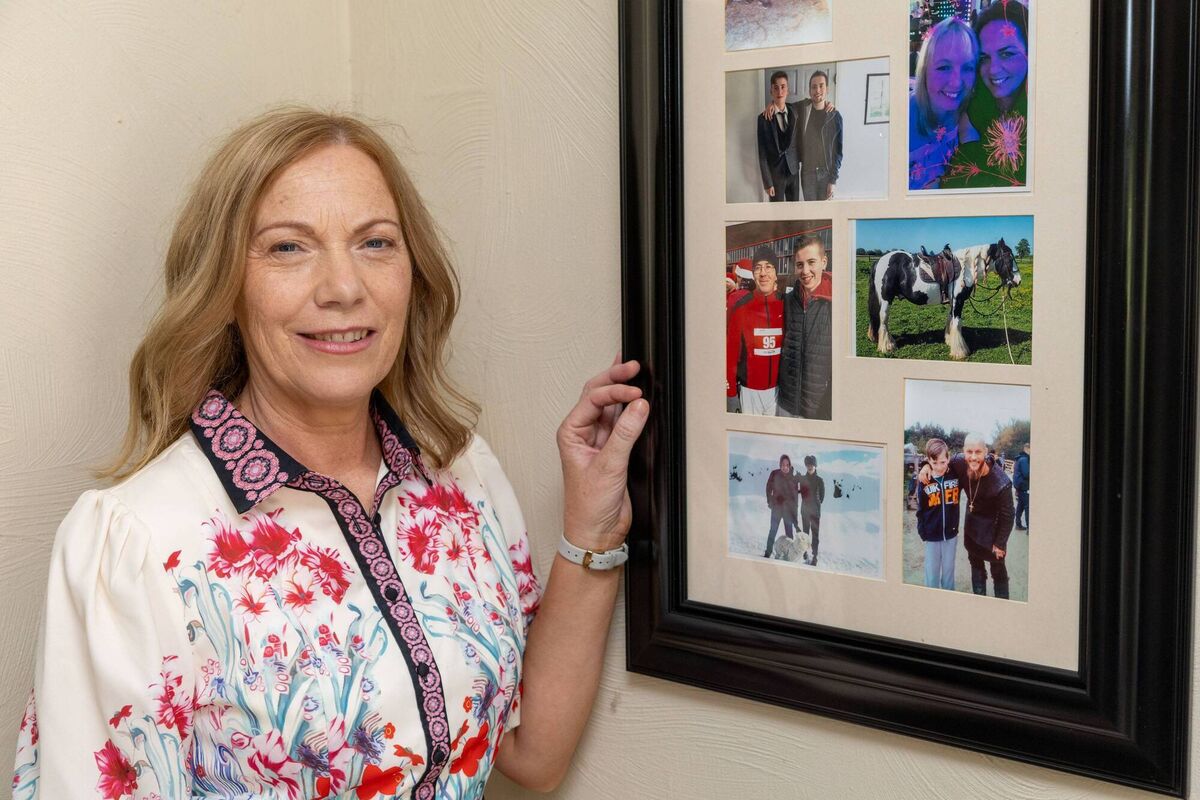
Stress makes my condition worse, and during the journey my brain focuses almost entirely on one thing: toilets.
Living like this leaves you with choices. You can stay home, become isolated and accept that this is your life, Or you can fight for change.
The Equal Status (Access to Toilet Facilities) Bill is already before the Dáil. The solution exists; we simply need action so that nobody facing these conditions has to plan their entire life around the fear of not finding a toilet in time.
CONNECT WITH US TODAY



Be the first to know the latest news and updates