Fuel protests are undemocratic and respect no rules
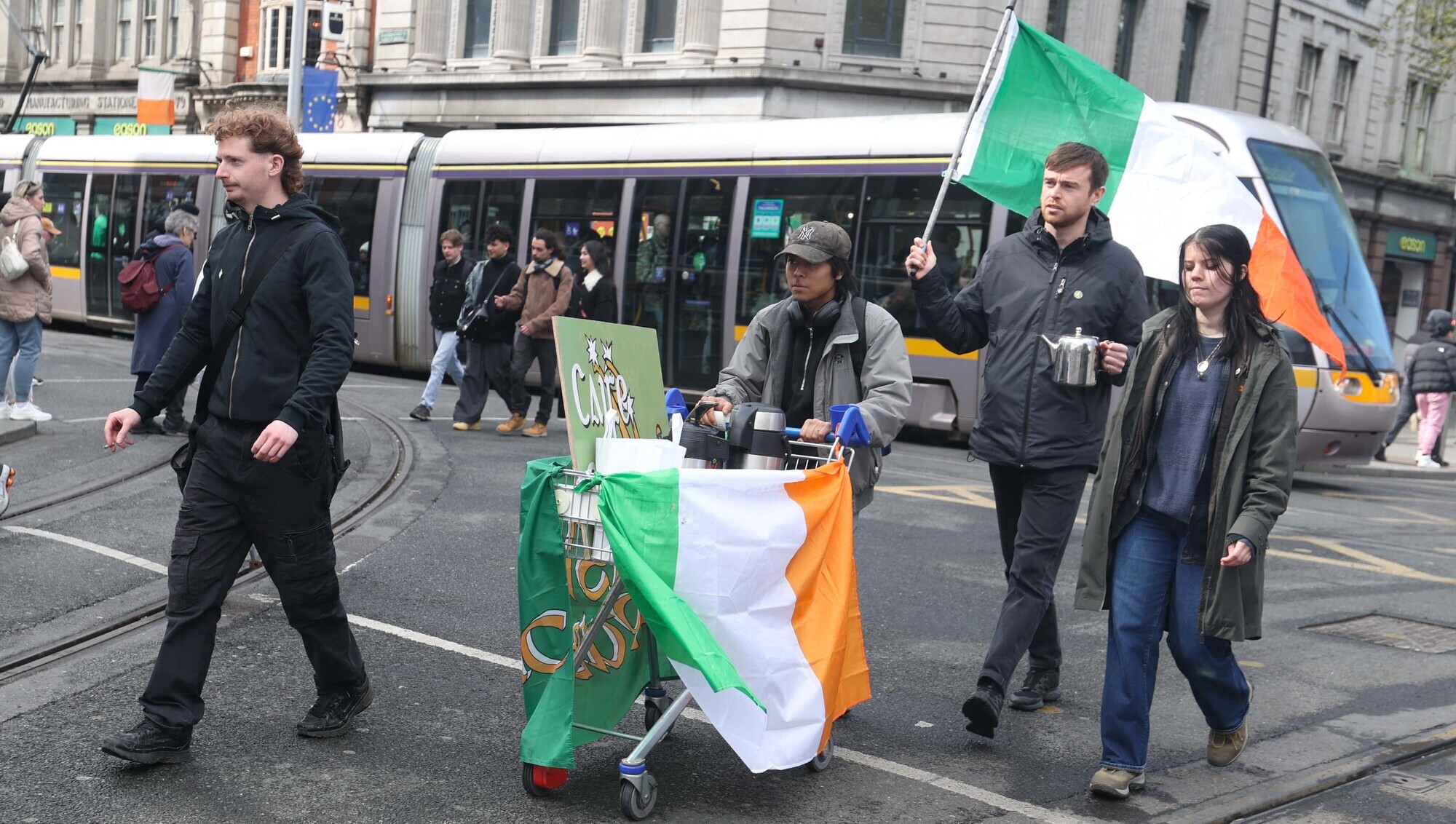
Protestors and supporters on O'Connell Street in Dublin on Thursday. Strong measures which supported industry were brought in during covid, and these could include subsidies in addition to VAT cuts and a fuel cap. Photo: Leah Farrell / © RollingNews.ie
The frustration of haulage contractors, farmers, agricultural contractors, and other business owners at the rapid escalation of fuel prices is totally understandable.
The Government does certainly need to take action to provide measures which would reduce the cost of fuel to them. But the actions the protesters are taking to achieve these measures are unacceptable and irresponsible.
Read More
The founding organiser of this national protest movement, James Geoghegan, represents the plight of those in agriculture in particular, citing how green diesel has jumped from 86c a litre a few months ago to €1.48 at the moment, and criticising the Government for collecting more VAT while the businesses of people he represents are becoming insolvent.
Yes, the Government does need to cut its VAT on fuel and implement other measures also to support those so badly affected. Discussions on a fuel cap and other wider measures which would substantially reduce costs all need to be on the table.
Strong measures which supported industry were brought in during covid, and there is a whole buffet of these measures like these which need to be decided quickly. These could also include subsidies, in addition to VAT cuts, a fuel cap, or other measures.
Any measures should also benefit workers and ordinary consumers. However, the actions taken this week to try to achieve these measures are fundamentally wrong.
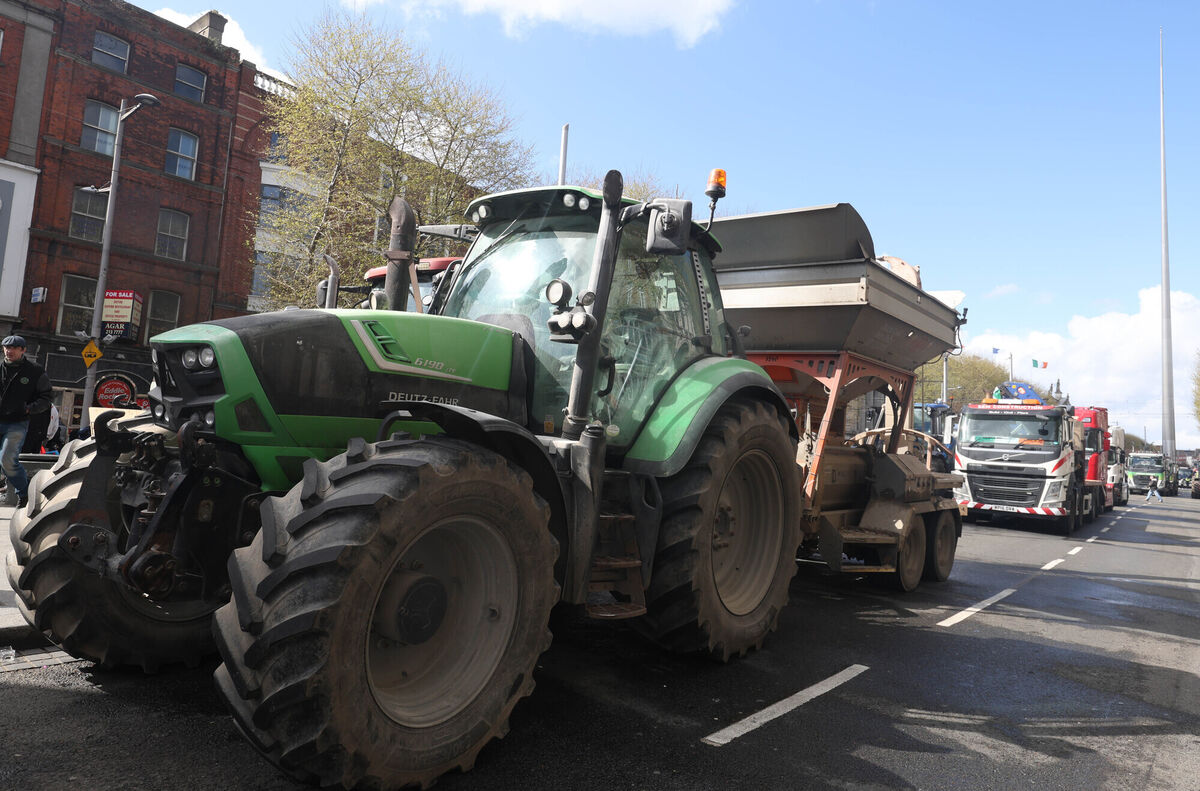
The chief organising group representing the protests, the Irish Haulage and Farming Construction Amalgamation (IHFCCA), very newly formed, only wrote to politicians seeking support for their demands on April 1, that is just Wednesday of last week.
Less than one week later they launched nationwide protests, starting on Tuesday, April 7. This is hardly sufficient time to wait for a response before taking such actions as reducing cities to car parks and shutting down fuel terminals.
Like any social movement, it has set out demands: the suspension of the carbon tax, and a cap on fuel prices, including €1.10 per litre on green diesel, kerosene, and marine fuel, alongside a cap of €1.85 on white diesel.
After only writing to politicians on April 1, and despite representative groups for farmers and hauliers sitting down with the Government to work out plans to reduce fuel costs, the IHFCCA and other affiliated groups have disregarded their representation, not given time for dialogue, and have decided unilaterally to shut down oil terminals and create gridlock across the country.
Right now, fuel queues are openly visibly at service stations. Workers are waiting hours to get to work. Ordinary members of the public going for medical appointments are badly delayed. The delivery of essential social care services in the community are put at risk. Commuters are stressed to their wits end.
This is reprehensible and is not an acceptable way to treat people. If there is a fracture between the needs of these groups with their representative groups, then they have every right to constitute their new group and be involved in discussions.
But, grinding the country to a standstill six days after sending out letters seeking support from politicians, and then threatening continued action, in particular shutting down oil terminals all over the country unless they get a seat at the table by today, is totally unreasonable.
Farmers deserve support, particularly small and medium-sized farmers. Various farmers' representative groups supported the picketing and blockades of meat factories back in 2019 during the beef protests.
During the protests against the Mercusor trade deal, the Department of Agriculture was occupied by farmers, supported by farmers' representative groups. Sheep were let loose in EU Commission offices. The actions led to the EU parliament referring the deal to the Court of Justice of the European Union.
Unions, when they strike for better pay are expected to adhere to reasonable rules of the game. Members can’t go on strike without a ballot and approval by the executive. A vote is taken of members to see whether strike action is supported. If so, striking workers can only picket their own workplace.
They are obliged to provide cover in hospitals and other essential services. This is how a group gains its legitimacy.
This movement however respects no rules. It has sprung up virtually overnight. Little is known about its membership. Nobody knows whether it has democratic structures. In fact, one would have to worry, when the movement has broken from its own representative organisations.
Yet, it claims to represent all Irish people including nurses and other workers. But this is not a broadly based movement representative of Irish people and workers.

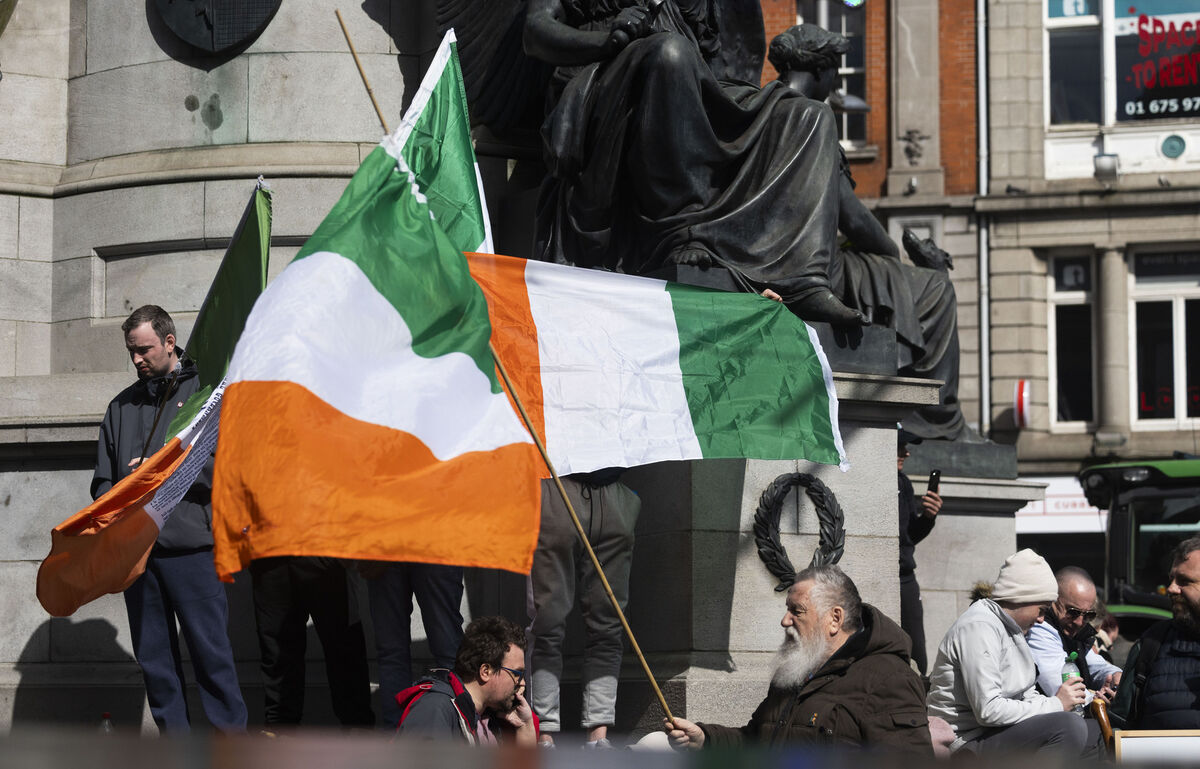
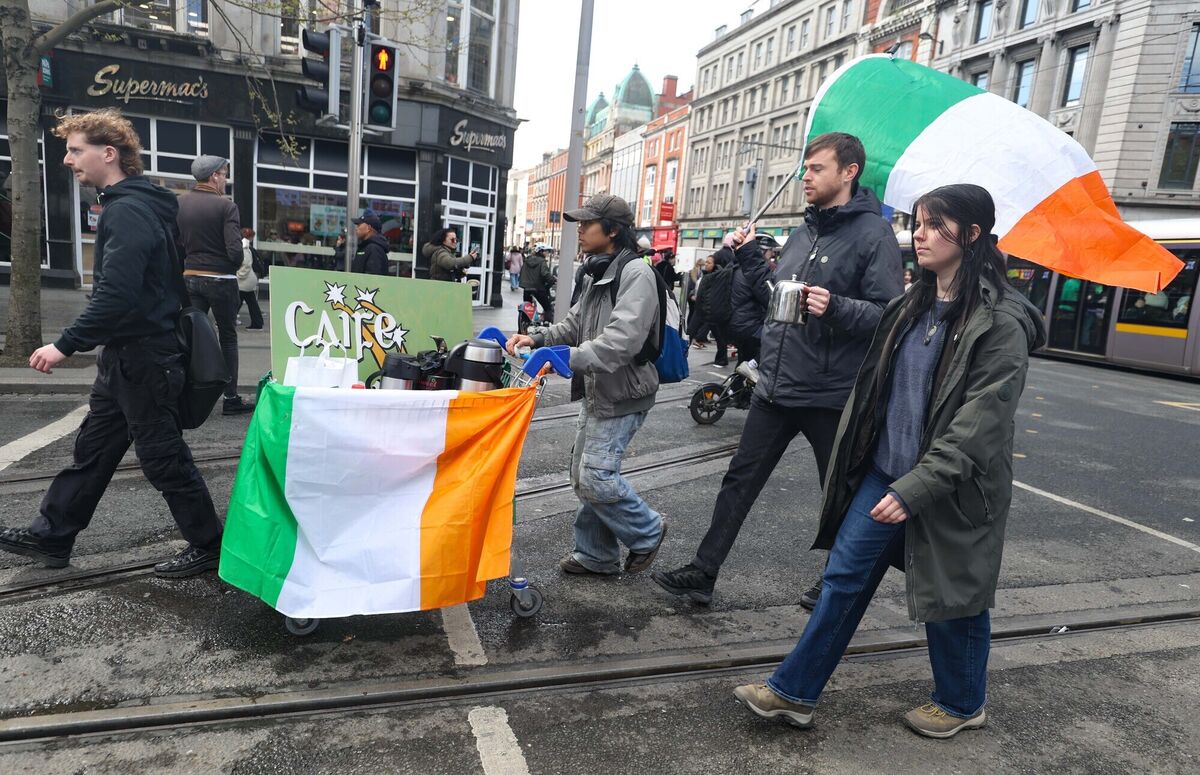
The speeches which have been made from the movement’s leaders this week include that “their duties are to look after the Irish people…we need to look after our Irish people of the island of Ireland first”. Protesters have been encouraged to wave the Tricolour.
One has to conclude that, despite their legitimate objectives and clear need for supports, this movement is engaging in ‘power grab’ politics, threatening the whole of the Irish citizenry with gridlock and fuel shortages unless it gets its way, and right now.
These seem to resemble tactics of the far right. While its members and all of society need fuel supports, this type of social and political action should not be legitimised.
- Dr Tom O’Connor is an economist, sociologist and a former head of the department of social studies at MTU.

CONNECT WITH US TODAY



Be the first to know the latest news and updates