'Drink‑driving is not an accident': Cork emergency consultant calls for urgent reforms to save lives
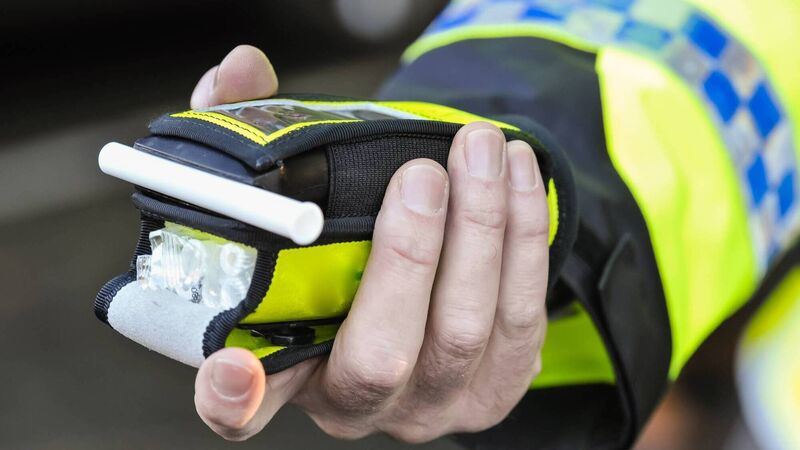
Alongside increased testing, there are practical procedural changes that can reduce drink-driving and help increase prosecutions. File picture
For nine years I have had the privilege of working in the Emergency Department of Cork University Hospital. Being an emergency medicine consultant and helping people, and at times saving lives, brings immense pride, joy, and fulfilment.
Yet, for all the highs, it is the lows that stay with you — especially the patients you could not save. As a doctor, what is hardest of all to accept are the lives lost due to the reckless and selfish behaviour of others.
Too often that behaviour is drink-driving, and even more devastating still is how frequently I witness those responsible avoid justice. Drink-driving is not an accident; it is a conscious decision.
Despite people knowing right from wrong and despite decades of public awareness campaigns, alcohol-related road deaths remain a persistent problem in Ireland. This suggests the issue is not only individual behaviour, but the weaknesses in Ireland’s systems designed to catch drink-drivers.
The data on drink-driving in Ireland is shocking and stark. Alcohol is a factor in over a third of Irish road deaths where a toxicology result is available, while RSA survey data shows that 12% of drivers admit to drink-driving.
By comparison, there are only around 5,000 drink-driving arrests annually in Ireland, compared to an estimated 380,000 people who admit to drink-driving. This, therefore, means a drink-driver has a miniscule, 1.3%, chance of being caught. You don’t have to be a statistician to know that such a risk isn’t high enough to deter drink-driving.
Australia, where I previously worked, offers a useful comparison. There, authorities aim to test every driver at least once a year which creates the belief amongst drivers that if you drink and drive, you will be stopped, tested, caught, and prosecuted.
The results speak for themselves; while more than one third of driver fatalities in Ireland involve alcohol, the figure in Australia is closer to 14%. I believe a similar national breath-testing target in Ireland would send a powerful message, reduce drink-driving, and save lives.
Alongside increased testing, there are practical procedural changes that can reduce drink-driving and help increase prosecutions.
Currently the legal procedures around the collection of blood samples following collisions are cumbersome. At present, a garda must direct a medical professional to take a blood sample within a three-hour timeframe — a requirement which can often see drink-drivers evade detection.
A more effective and efficient approach, already used in peer countries such as Australia, is to allow any Emergency Department doctor or nurse to take a blood sample and store it securely in a one-way safe for garda collection.
This safeguards the chain of evidence, removes unnecessary delays, and ensures drink-drivers do not evade the law.
A further issue is the time pressure to collect a blood sample from a drink-driver. At present, samples must be taken within three hours of a collision.
However, this window is often unrealistic as delays or complications at a collision site, as well as the travel time to a hospital, can be significant, especially if the crash has happened in a rural area.
This leads to gardaí and medical staff working against the clock in already high-pressure situations. Extending this timeframe to 12 hours would ensure that those responsible for serious collisions do not escape justice.
Tackling drink-driving must be at the centre of Irish road safety policy and the single most effective deterrent to such behaviour is the belief that you will be stopped, tested, caught, and prosecuted.

That is why setting a national breath-testing target is so important, because it would send a clear message to everyone — if you drink and drive, the Gardaí will catch you.
Additionally, expanding who can take blood samples and extending the timeframe for testing are common-sense measures grounded in international best practice and aimed at ensuring drink-drivers do not evade justice.
The more we delay rolling out proven and meaningful measures to tackle drink-driving the more lives will be lost, so let’s not delay any more.
- Dr Eoin Fogarty is emergency medicine and retrieval consultant at CUH and a board member of Alcohol Action Ireland.


CONNECT WITH US TODAY



Be the first to know the latest news and updates