Meningitis deaths in England are concerning, but vaccinations work 
Irish children are vaccinated against meningitis B and C, but if they missed it, it's wise to get teenagers vaccinated through your GP now
Meningitis deaths in England are concerning, but vaccinations work 

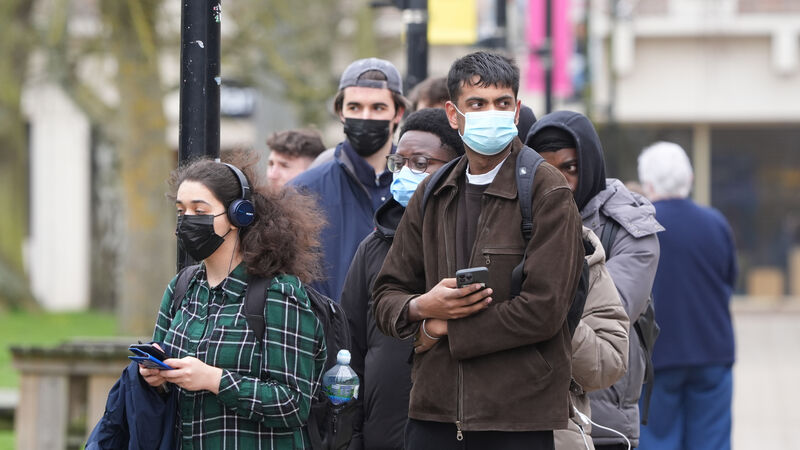
Students queuing for antibiotics outside a building at the University of Kent in Canterbury. People who visited Club Chemistry in Kent on March 5, 6, or 7 have been urged to get antibiotics. Picture: Gareth Fuller/PA

The sudden tragic deaths of two young people in the UK from meningitis, followed by a further 20 confirmed cases, has prompted widespread concern in the UK over the last week.

UK Health Security Agency (UKHSA) chief executive Susan Hopkins said it looks as though there had been a super spreader event involving a nightclub, with the outbreak ongoing within university halls of residence, where there would have been further parties and social mixing.

Preventative antibiotics (known as prophylaxis) are being offered to anyone who went to the social event and to people who are close contacts of those who are confirmed or suspected to have meningitis.

About 5,000 students in university halls in Kent are to be offered the meningitis B vaccine, with the aim to prevent further disease in several weeks’ time if somebody has been harbouring the infection.

Now that the strain in Kent has been identified as Men B and not one of the other strains for which teenage vaccination coverage is high, the major concern is that there is a large percentage of young adults without any vaccination protection against it.

Invasive meningococcal disease is a serious but uncommon illness caused by meningococcal bacteria. It can lead to meningitis — inflammation of the lining of the brain — and sepsis (blood poisoning). The onset can be sudden, which is why knowing the signs and symptoms, and acting quickly is so important. There are multiple strains of meningococcal bacteria — including groups A, B, C, W135, and Y. The majority of cases in Ireland are B or C.

Early symptoms can include fever, headache, vomiting, diarrhoea, muscle pain, stomach cramps or cold hands and feet. Classic signs in adults and older children include fever, severe headache, neck stiffness, vomiting, stomach cramps, or dislike of bright lights. Some people are confused or disoriented or have fitting episodes. Rash is a late symptom.

The bacteria that cause meningococcal disease are common and can live naturally in the back of the nose and throat. Infection is spread by respiratory droplets that travel most effectively by coughing, sneezing, and mouth kissing or by sharing of vapes.

The key question on every parent’s lips is why some people develop meningococcal disease and others don’t. The answer is not clear-cut, but it is believed that occasionally the bacteria can overcome the body’s immune system and cause meningitis and septicaemia.

Invasive meningococcal disease can occur at any age, but is most common in infancy and early childhood with an additional smaller peak of disease activity in adolescents and young adults. In Ireland the infection typically shows a seasonal variation with the majority of cases in the winter and early spring.

Meningococcal disease can be treated — the earlier antibiotics are given the greater chance that a person will make a full recovery.

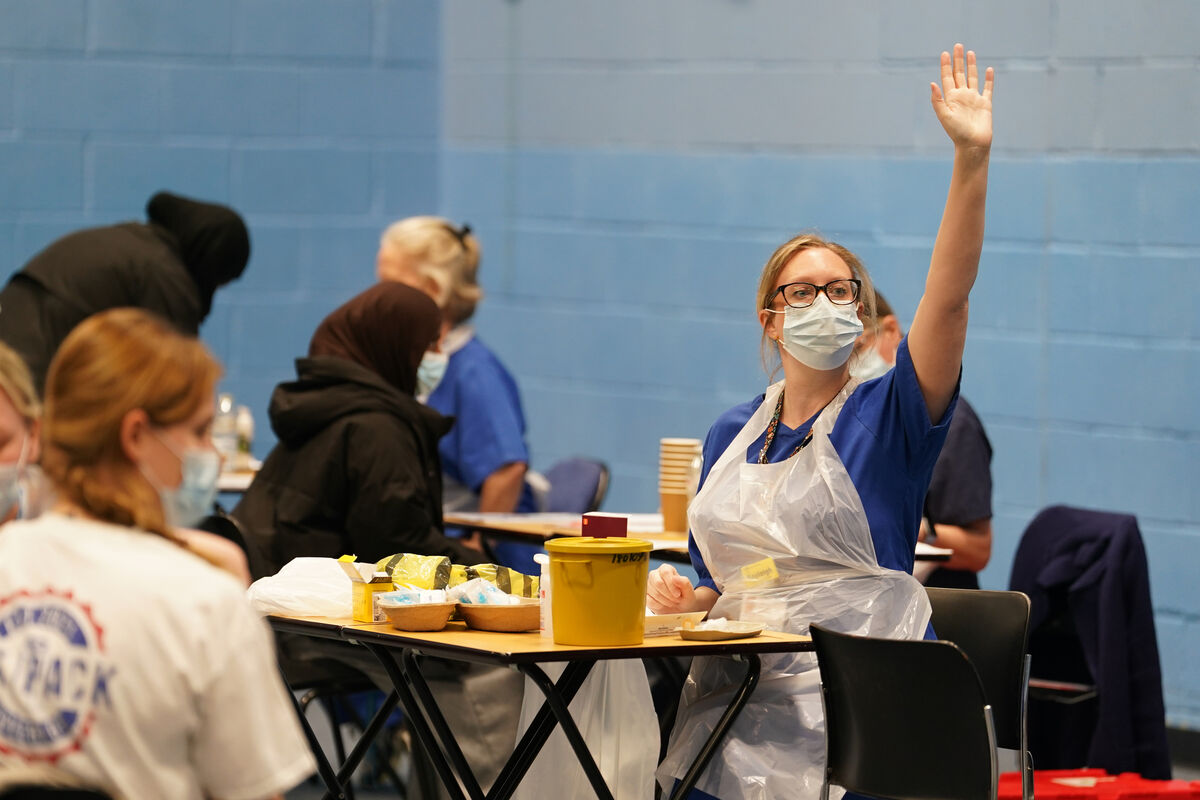
A medical staff member calls for another patient in the sports hall at the University of Kent campus in Canterbury. The number of cases of meningitis being investigated by the UKHSA in Kent has risen to 27. Picture: Gareth Fuller/PA

Vaccines are available against the more common forms of meningococcal disease in Ireland —Group B and Group C as well as a combined vaccine against Groups A, C, W, and Y.

The MenC vaccine was introduced in Ireland in October 2000 onto the infant schedule at two,four, and six months. The schedule has been changed a number of times since then. Currently, the MenC vaccine is given in early childhood at 13 months, and a booster vaccine (MenACWY) is given in first year of secondary school.

Prior to the introduction of MenC vaccine in Ireland in 2000, group C accounted for 30-40% of the meningococcal disease cases each year. Following vaccine introduction there was a dramatic decline in the number of cases of MenC in Ireland.

Any child or young adult less than 23 years of age who never received the MenC vaccine should obtain it from their GP or student health service.

The MenB vaccine was introduced in Ireland in 2016 for all children born after the 1st of October 2016. The vaccine is given at two, four, and 12 months. The National Immunisation Advisory Committee (NIAC) recommends a catch-up programme for MenB vaccine for children up until they reach the age of two. Vaccination is not recommended after two unless the child is in a risk group, as MenB infection is most common before the age of one year and risk of infection diminishes rapidly after age two.

Parents may choose to have their older children vaccinated by sourcing it privately through their GP.

Thousands of students at the University of  Kent are being offered meningitis vaccines. Picture: Gareth Fuller/PA

Following the UK outbreak, the UKHSA advised that all necessary preventative measures are being taken, and the key action to follow is to take the preventative antibiotics if you are offered. Meanwhile, the longer-term vaccination of teenagers is being kept under review.

Professor Emeritus of paediatrics at the University of Bristol Adam Finn offered the following expert reaction to the targeted Meningitis B vaccination programme “The Men B vaccine used in infants and one-year olds in the UK which is likely to be used in this targeted programme (Bexsero) covers around 70-80% of Men B strains. The level of protection after two doses is very high and lasts for some years.

“Some protection begins after about two weeks after one dose but full protection is only two weeks or more after the second dose. Antibiotics protect much faster but only for a few days.”

Prof Finn said the vaccine will “greatly increase” students’ immunity to most Men B strains but not straight away.

It’s very useful to reduce their risk of invasive meningococcal infection over the coming months and years, but it won’t be a significant help during the coming days as this outbreak is brought under control. The precipitous decline in recent decades in meningococcal disease is one more example of the massive impact of modern vaccines in reducing deaths and lifelong illness from infectious disease in children. However, when the disease does occur, it strikes very quickly causing severe and sometimes fatal consequences.

That is why it is so important that parents and healthcare professionals are ever-vigilant to signs and symptoms and seek medical help immediately.

  • Dr Catherine Conlon is a public health doctor in Cork.

x

More in this section

Revoiced

Newsletter

Sign up to the best reads of the week from irishexaminer.com selected just for you.

Cookie Policy Privacy Policy Brand Safety FAQ Help Contact Us Terms and Conditions

© Examiner Echo Group Limited