Future Cork: There is immense potential in Cork if the city turns toward the river

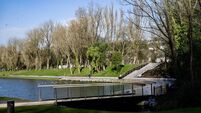
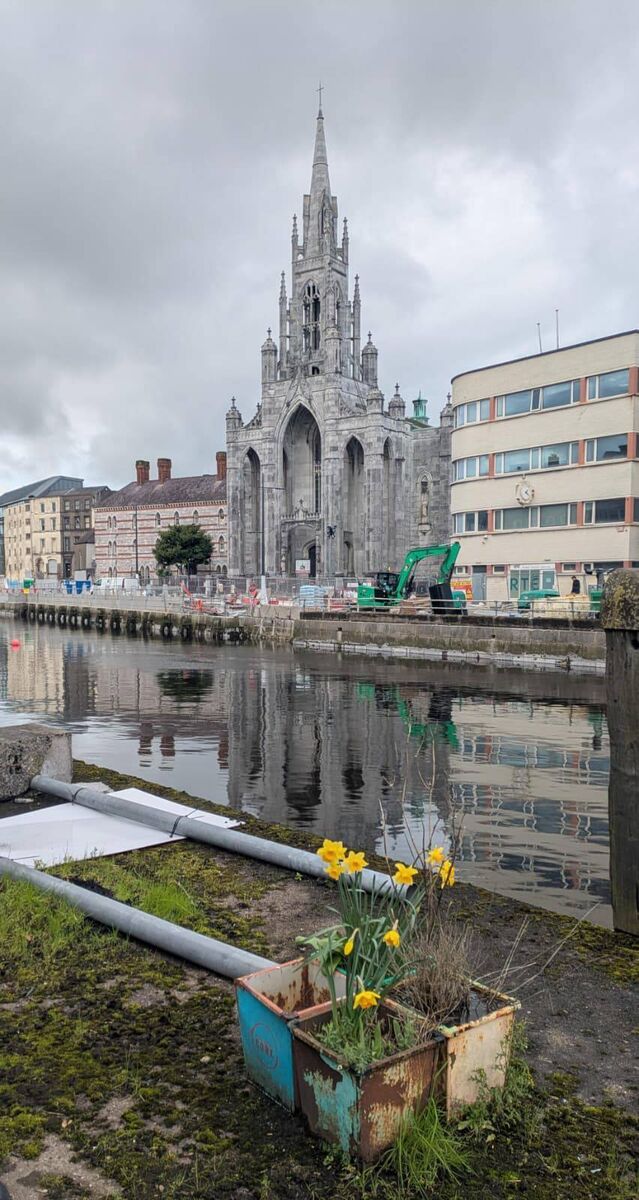
Planters and benches by Cork City's River Lee. Looking out over the river brought a sense of calm and connection to nature. Picture: Monika Jain
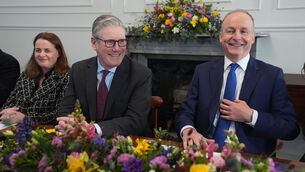
I was honoured to be invited to speak at the Irish Examiner's Future Cork event on Friday, February 27. The atmosphere was full of optimism, with ambitious growth plans for the city’s future and strong support from senior policy and business leaders, including Taoiseach Micheál Martin.

During my short visit, I was touched by how warm and welcoming the people of Cork are. Strolling through MacCurtain Street and the city centre, I felt the vibrancy of a place where its 800-year-old history meets modern city life.
Looking out over the flowing River Lee brought a sense of calm and connection to nature.
As a city planner and urban designer who has lived and worked in London, New York, Mumbai, San Francisco, Los Angeles and Bengaluru, I see immense promise in Cork.
As outlined in its development plan, the city is building on its strengths, its rich cultural heritage, strong educational institutions, and innovation economy to become an international European city, with placemaking at its core.
The River Lee is a remarkable natural asset that is central to shaping the city’s character and opportunities for growth by dedicating the riverfront for public space.

When I shared my thoughts about the potential of the city centre riverfront with Cork City Council CEO Valerie O’Sullivan, she mentioned she had been thinking about the contrast between the historic city centre riverfront and some of the newer waterside developments that provide public space, such as the Marina Park.
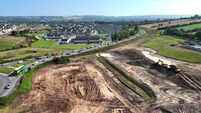
I saw that potential emerging at Lapp’s Quay, where new development has begun to create spaces for people to enjoy the river, a striking contrast to just across the street, where the riverbank is still dominated by cars and traffic.
Even within the constraints of the existing city, people have found their own ways to connect with the river — setting out tables and chairs at the water’s edge, planting flowers that brighten the view of historic buildings reflected in the water, or using Cork’s parklets programme to convert a parking space into a small seating area.

At the Marina Market, the atmosphere at lunchtime was buzzing with families, office workers, teenagers, and visitors enjoying the space. Walking there along the river reminded me of Gantry Plaza State Park in New York, built on a former industrial dockyard and now a thriving public park loved by residents and visitors alike.
Similarly, the East River Esplanade near New York’s financial district, once dominated by warehouses and parking beneath a motorway, has been transformed into a vibrant waterfront supporting businesses and ferry services.
Another topic that came up repeatedly in conversations, including with John P. O’Mahony, editor of the , was flooding along the River Lee.
Cork is already planning infrastructure to improve flood resilience.
Thoughtful riverfront design can do more than manage risk.
I am reminded of my work on creating design guidelines for waterfront public access along New York’s 520 miles of waterfront, which focused on creating welcoming, inclusive, green, and climate-resilient spaces.
At Richmond Riverside in London, where I often walk on weekends, the Thames floods several times a month due to tidal changes.
Because the riverfront includes generous public space, the water can rise and recede naturally while people safely observe the phenomenon.
Flood resilience strategies can combine nature-based solutions with thoughtful urban design to manage risk while improving the quality of riverside spaces.
Marina Park is designed to provide a similar opportunity for nature-based flood resilience.
Research also shows that simply being near water can bring significant benefits for physical and mental health.
Several traffic-dominated stretches along the River Lee could be reimagined, though this will not be easy. Such changes can be controversial and require careful planning.
Examples from around the world show that transformation is possible. Times Square in New York and the Strand in London, once dominated by traffic are now vibrant public spaces.
Cities often begin by testing changes before making them permanent. New York’s Summer Streets programme temporarily closes roads to cars so people can experience them differently.
London recently trialled a traffic-free day on Oxford Street, which is set to become traffic-free permanently after years of debate.
Small interventions, such as converting a single parking space into a parklet, which Cork does through its parklet programme, can gradually reshape how public space is used.
Cork could start with similar small and pilot projects along the River Lee while working towards the bigger vision of transforming traffic-dominated streets into welcoming public spaces with cleaner air.

Over 20 years ago, many central London streets were choked with traffic and pollution. Congestion charging helped reduce traffic levels and improve air quality.
While London has made significant progress, road traffic remains the city’s largest source of air pollution.
Vehicle emissions contribute to nitrogen oxides, while particulate pollution from tyres, brakes and road wear (which electric vehicles also emit) has become an increasing concern. These pollutants are linked to asthma, lung disease and other serious health conditions.
If Cork is to reimagine its waterfront and embrace the concept of 15-minute cities, improving air quality and people’s health can be a powerful driver of change.
Reducing traffic pollution requires a mix of measures: better public transport, local amenities within walking distance, street design that encourages walking, wheeling and cycling, and fewer cars on the road. Car use is closely tied to how much parking is provided.
Without reducing the dominance of cars in street design and adopting stronger parking policies, the goals of walkable neighbourhoods and 15-minute living can remain difficult to realise.
Even in London where 90% of people live within a 10-minute walk of a high street and most short trips are already made on foot, three-quarters of all car journeys are short enough to walk or cycle.
Encouraging people to change their habits requires understanding how and why people travel, offering real alternatives, backed by adequate policies and clear messaging about the public health and economic benefits.

Establishing a clear design approach for how streets and public spaces function is therefore critical.
London’s Healthy Streets Approach offers one example of how cities can frame this change. Simple indicators such as clean air, safe crossings and places to stop and rest, reflect the kind of streets most people want to see in their neighbourhoods.
This matters because around 80% of London’s public space is made up of streets. In addition, setting simple, clear, measurable goals such as ensuring every Londoner can walk or cycle for 20 minutes a day by 2041 can help create a narrative that is meaningful to individuals.
Such targets not only improve health but could also save the NHS an estimated £1.7 billion over 25 years and reduce sick days by 27%, boosting productivity and wellbeing.
These challenges and opportunities are equally relevant for Cork.
With significant growth planned for Cork and major regeneration projects underway, there is a real opportunity to think about streets not simply as corridors for moving vehicles, but as social spaces that support the movement of people and goods in more sustainable ways.

Integrating green infrastructure within streets can expand access to green space, strengthen climate resilience, support biodiversity, and boost economic activity.
I hope to return to Cork to see the continued transformation of the docklands, to enjoy the River Lee again, reconnect with the people of the city, and soak up the atmosphere of events like the Jazz Festival or Cork on a Fork in the summer.
- Monika Jain is the chief planner with Transport for London and has experience of urban design in major international cities. She was the Irish Examiner's guest speaker at the Future Cork event.
CONNECT WITH US TODAY



Be the first to know the latest news and updates