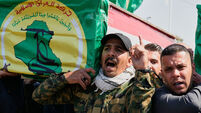
Deadly violence and war are devastating the Middle East
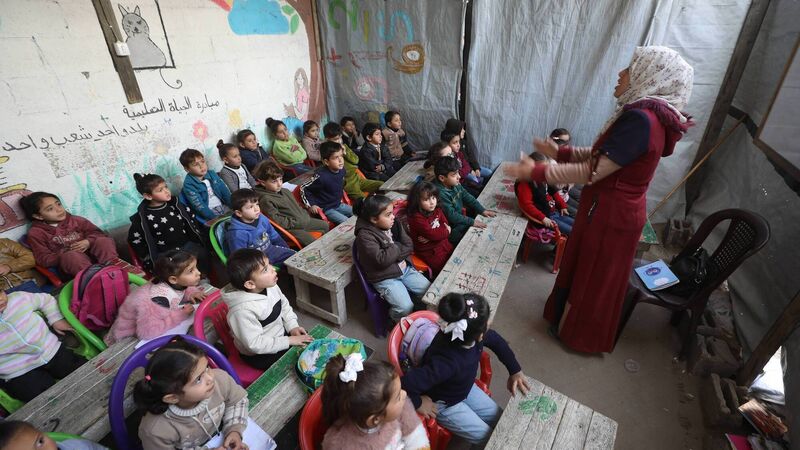
Displaced Palestinian children receive lessons inside a tent in a camp for displaced people in the Yarmouk area of Gaza City. Palestinians are, tragically, once again paying a heavy price for the war in Iran. Picture: Omar Ashtawy
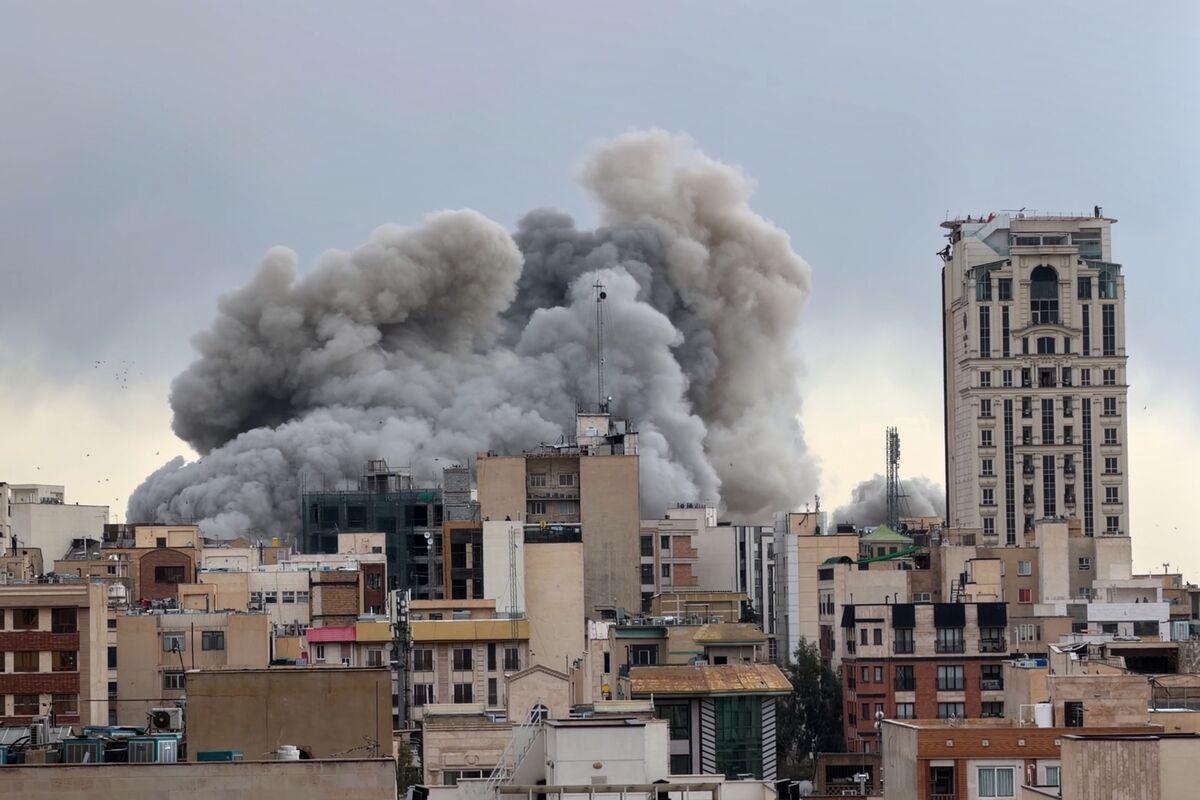
The co-ordinated military strikes by Israel and the United States in the Middle East, with Iran responding with missile and drone attacks, have triggered a rapidly escalating regional confrontation.
The loss of life and displacement across many countries is already immense.
The complexity of an attack on a regime that killed its own citizens in numbers of the tens of thousands in recent months, is clear. Many Iranians, particularly women, suffered gravely at the hands of this regime.
Many yearned for new leadership, reform, greater democracy and freedom for women. But this attack by the US and Israel is clearly one of aggression, an illegal assault that casts aside with total abandon the fundamentals of international law.
In Iran over a thousand people have been killed, including 168 girls in a primary school and many more injured following waves of strikes across numerous cities. In Israel, Iranian missile strikes have killed at least 10 people and injured dozens, including attacks on residential areas.
In Lebanon, Israeli airstrikes and exchanges with Hezbollah have killed more than 480 people, while tens of thousands of civilians have been displaced from southern areas.
Israeli authorities have also issued forced displacement orders requiring civilians to leave the entire area south of the Litani River, including the city of Sour (Tyre), representing one of the largest displacement orders affecting southern Lebanon in recent years. Up to 700,000 people have been displaced.
Palestinians are, tragically, once again paying a heavy price.
The latest conflict is leading to vital food, health and fuel supplies reducing to a trickle, dramatically deteriorating already dreadful conditions for communities across the occupied Palestinian territory.
In Gaza, where almost two million people who have suffered two years of genocide, the survivors are barely existing.
The Kerem Shalom border crossing was closed after the attacks on Iran. It was reopened on Tuesday, March 3, for entry of 500,000 litres of fuel and humanitarian assistance, a fraction of what is needed.
But Rafah and Zikim crossings remain closed.
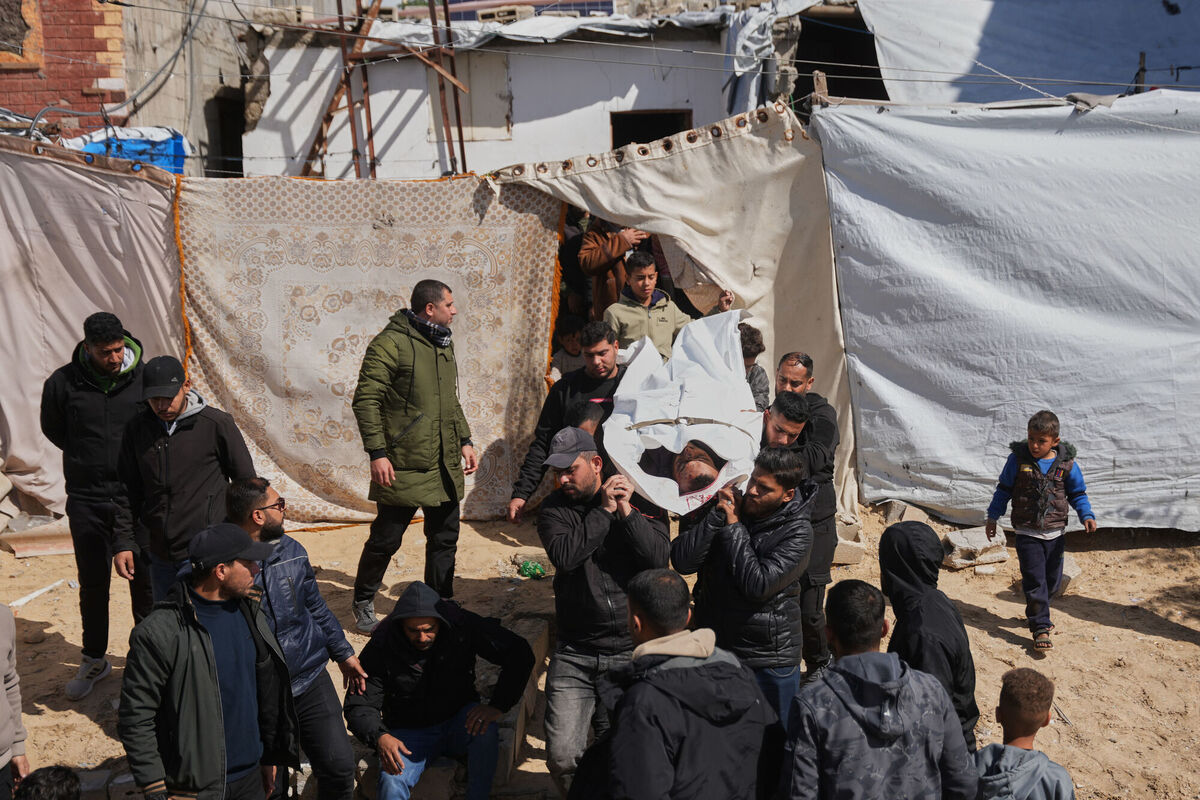
The cruel truth is that Palestinians continue to live under a system where their access to food, safety and freedom can be, and effectively is, switched on or off by the state of Israel.
Food prices are up dramatically in the last week due to the regional violence. ActionAid Palestine is getting reports that flour has tripled in price.
Sugar, nappies and cooking oil have doubled. Community bakeries have about 10 days of flour.
Aid parcels may last two weeks. Fresh food could run out in a week.
Last summer, after a total siege and extreme restrictions on food shipments, Gaza experienced famine conditions.
Hundreds were killed trying to access food distribution points.
Now, with the attack on Iran there is real fear of another hunger crisis.
Reconstruction in Gaza was already painfully slow. Entire neighbourhoods remain in rubble and families who have been displaced multiple times are still living in flimsy tents in dreadful, freezing, winter conditions.
In the West Bank, including East Jerusalem, state-backed settler violence is increasingly deadly, families are being forced from their homes and access to livelihoods, health care and education is curtailed.
With the world now focused on Iran, Israel will take the opportunity to deepen closures and tighten and expand movement restrictions.
Checkpoints are closing and communities are further isolated. Attacks by settlers are increasing, with homes and livelihoods targeted while global attention is elsewhere.
These developments are part of the same steady erasure of Palestine, part of an illegal occupation and apartheid regime that is dismantling people’s ability to live, remain on their land and determine their own future.
Decades of impunity and failure to uphold international law and hold Israel to account has destabilised the entire region.
The current escalation did not create the crisis facing Palestinians, it simply exposes the consequences of allowing occupation, land theft and the denial of Palestinian self-determination to continue with impunity for decades.
Many communities across the region were already living with the impacts of prolonged conflict before this latest escalation.
This escalation is being driven by political decisions taken far from the frontlines, yet it is ordinary people, women, men and children, who will pay the price through death, displacement, rising poverty and economic instability.
In conflicts, women and girls often face heightened risks of violence, displacement and economic hardship.
When food prices rise, livelihoods collapse and communities are displaced, women and girls frequently bear the greatest burden. They may be forced out of school, face increased violence, early marriage or pushed into unsafe work.
The conflict is already affecting the Strait of Hormuz, a critical shipping route for global oil supplies.
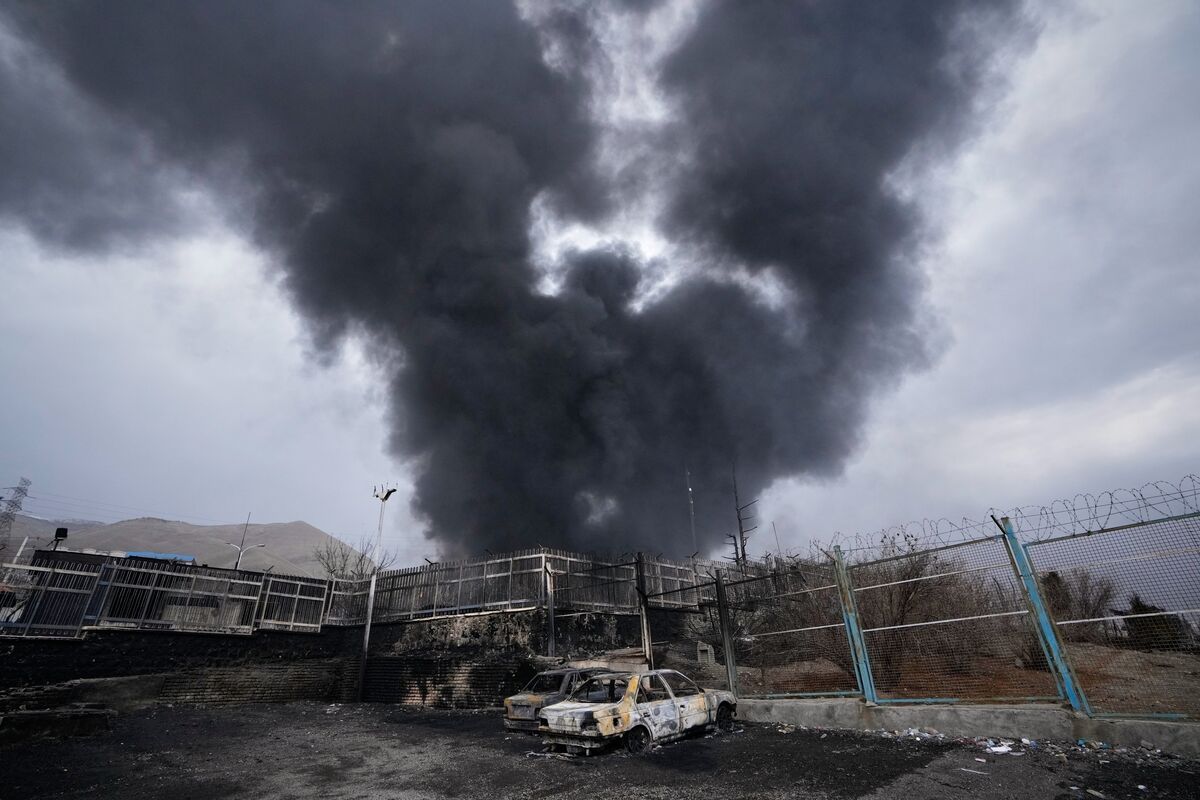
Disruption there could affect around 20% of global seaborne oil trade, pushing up fuel prices worldwide.
Higher energy prices often lead to rising food and living costs, which disproportionately affect women and families already struggling with poverty, debt and climate shocks.
Iranian women have been at the forefront of demanding their rights through the 'Woman, Life, Freedom' movement, which emerged after the death of Mahsa Amini in custody in 2022 and sparked nationwide protests against discrimination and repression.
Women’s rights organisations and activists continue to document arrests, violence and intimidation targeting women and protesters who demand basic freedoms.
As violence escalates, the rights and safety of women and girls will be further undermined.
Continued military action will only deepen humanitarian crises and increase the risk of a broader conflict.
European governments, with the exception of Spain, seem to struggle to call this what it is — a fundamental violation of international law.
For small states like Ireland, with a committed focus on multilateralism we cannot cherry pick adherence to international law. We must call this what it is.
All states, including Ireland and the European Union, have legal and political responsibilities to prioritise de-escalation, diplomacy and the protection of civilians.
When international law is ignored and conflicts are allowed to escalate without restraint, the consequences extend far beyond one country or region, undermining global peace, stability and the protection of human rights.
The consequences for us all are profound, the consequences for people right now fleeing and facing hunger right now are immense and devastating.
- Karol Balfe is the CEO of ActionAid Ireland.


CONNECT WITH US TODAY



Be the first to know the latest news and updates