As a boomer, I’m shocked by Gen Z’s attitude towards women — something has gone very wrong
The new research that suggests older people have more progressive views on women’s rights than younger generations is deeply concerning
As a boomer, I’m shocked by Gen Z’s attitude towards women — something has gone very wrong

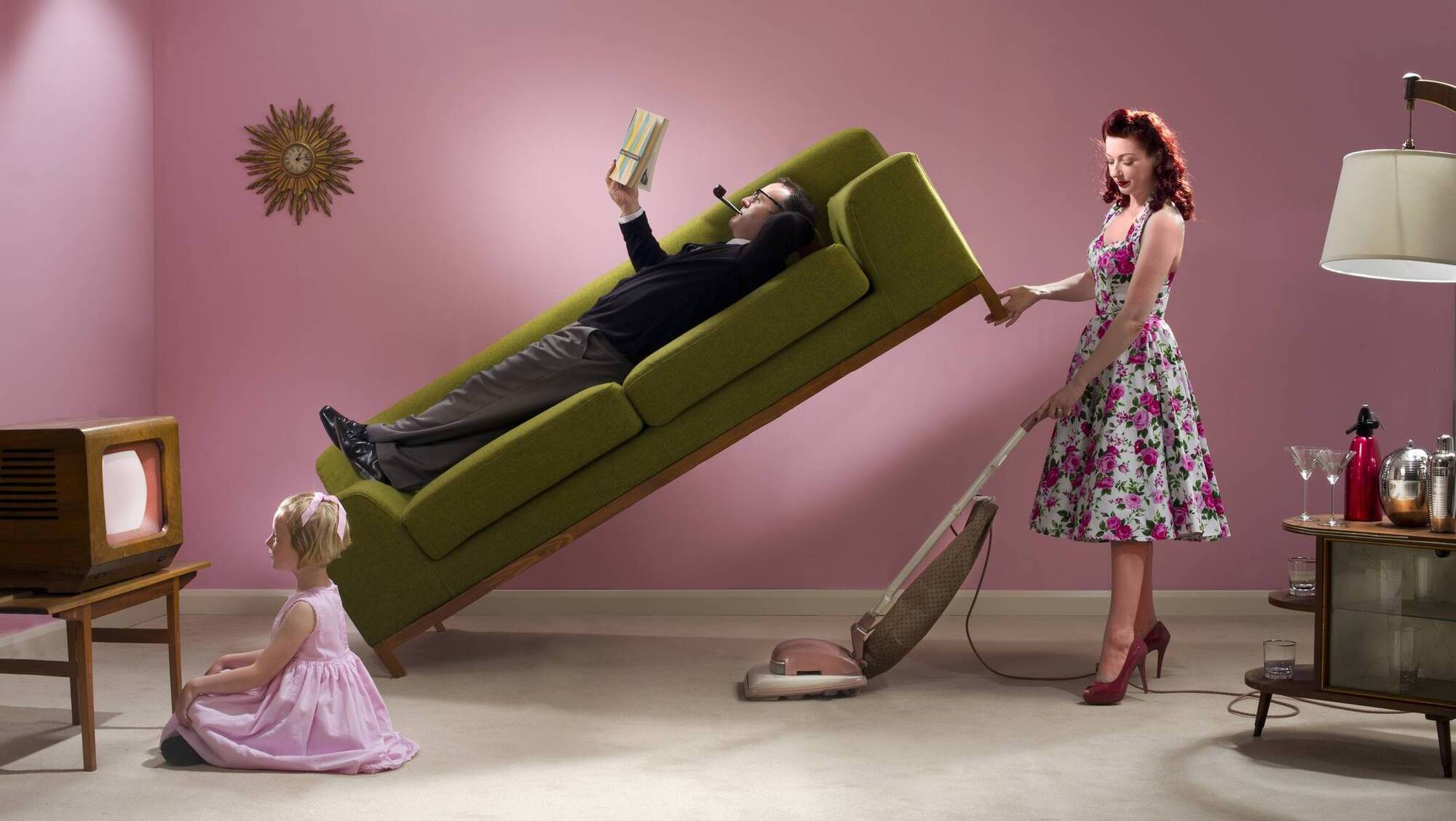
Traditional gender roles are resurging among Gen Z.

It is usually assumed young people are more liberal than older generations. Not according to startling new research carried out in 29 countries that suggests almost a third of Gen Z men believe a wife should always obey her husband. A similar number say a husband should have the final say on important decisions.

Although those stats are for a 29-country average, it seems to reflect worries about a masculinity crisis among young men. What century are we living in? It could be a snapshot from the 1970s, but the figures are from a survey published this week by Ipsos and the Global Institute for Women’s Leadership at King’s College London. 

But even five decades ago, men who expressed such views could expect to be laughed at. They were swimming against the tide, as legislation was passed outlawing sex discrimination and creating a (theoretical) right to equal pay.

So it’s hard not to be shocked by the discovery that so many men born between 1997 and 2012 share views that appear to belong to an out-of-touch cleric; the days when women were expected to “love, honour and obey” should be long gone by now.

What the survey also reveals, thankfully, is a gap between Gen Z men and women. Fewer than a fifth (18%) of the Gen Z women surveyed agree that women should obey their husbands, suggesting a substantial mismatch between the sexes in this age group. 

But what’s also striking is the gap between different generations. My age group, the baby boomers born between 1946 and 1964, has more liberal views on everything, from who should initiate sex to whether it’s OK for women to appear independent.

The views of Gen Z women and baby boomer women are more closely aligned, with the vast majority of both groups rejecting the bizarre notion that women should not seem too self-sufficient. 

At one level, this demonstrates women generally are more invested in equality between the sexes than men. Of course we are, having suffered for centuries from hardline attitudes to gender roles. In sixth form, I was told I couldn’t take A-level economics because “this is a girls’ school”. 

It wasn’t unusual in the 1970s to be told we needed a male guarantor to get a mortgage.

At the same time, I got a free university education and never worried about struggling to find a job. Looking back, the baby boomers in western countries were an unusually optimistic generation, something that encouraged liberal social attitudes. 

But it’s easier to think about other people’s rights when you’re not burdened by debt, unable to find a job and anxious about the future. The oldest Gen Z cohort was about 11 years old when the global financial crisis struck in 2008, ushering in years of austerity. The covid pandemic had a drastic effect on the jobs market three years later. 

One possible reaction to hostile economic conditions is to hanker after an idealised past when gender roles were clearcut, and that’s bad news for women in the same age group.

An alarming retreat into traditional masculinity is suggested by the number of Gen Z men (43%) in the survey who agree “young men should try to be physically tough, even if they’re not naturally big”. 

If they feel pressure to conform to rigid gender stereotypes, they’re quite likely to have similar expectations of women. Such attitudes are encouraged by the fact a great deal of social interaction is now online, where Gen Z men are a target group for misogynists such as Andrew Tate.

The results of academic research can seem dry, but there is a connection between attitudes and behaviour — and it’s an inescapable fact that violence against women is at epidemic levels.

Misogyny is the driver behind these crimes and its ubiquity hasn’t happened in a vacuum. Women and girls are an easy target for young men who are angry and want someone to blame for their low self-esteem. 

Harsh economic conditions may be an explanation, but they’re certainly not an excuse. Reactionary attitudes are shared by a minority of Gen Z men, for the moment, but they show a worrying sense of direction. Always calling them out, and giving young women the confidence to challenge damaging stereotypes, is more important than ever.

Guardian

x

More in this section

Revoiced

Newsletter

Sign up to the best reads of the week from irishexaminer.com selected just for you.

Cookie Policy Privacy Policy Brand Safety FAQ Help Contact Us Terms and Conditions

© Examiner Echo Group Limited