Colin Sheridan: No peace to keep — Irish soldiers confined to bunkers amid Lebanon escalation
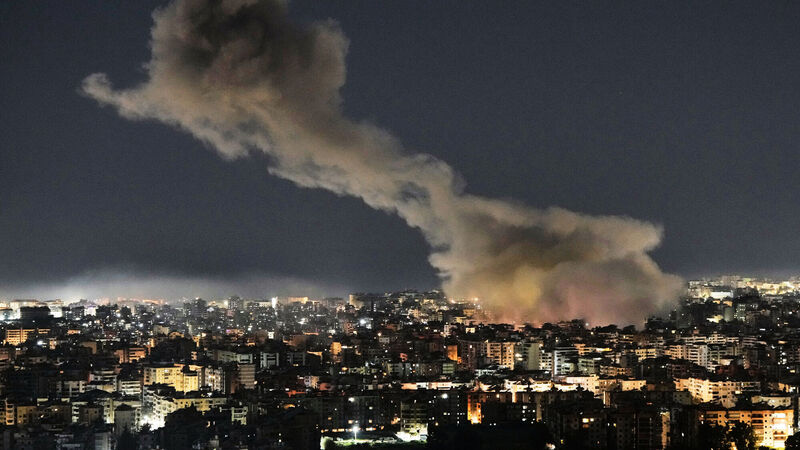
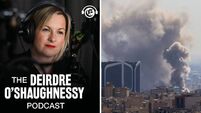
Smoke rises from Israeli airstrikes in Dahiyeh, a southern suburb of Beirut, Lebanon, early on March 3. Picture: Bilal Hussein/AP
For decades, Irish soldiers deployed to south Lebanon with a clear, if delicate, purpose.
Under the banner of United Nations Interim Force in Lebanon (Unifil), their days were defined by routine: Vehicle patrols along the Blue Line, foot patrols through villages, engagement with local leaders, and civil military co-operation projects that supported the local population and, more importantly, built trust.
Peacekeeping, in other words, was visible.
Since October 7, 2023, that visibility has steadily diminished. The Hamas attacks on Israel and the devastating Israeli military response in Gaza triggered an escalation along Lebanon’s southern frontier.
What began as sporadic exchanges of fire between Hezbollah and the Israeli Defence Forces (IDF) hardened into sustained hostilities.
For Irish troops stationed at Camp Shamrock and forward posts near the border, the operating environment shifted from tense to perilous. That escalation has now metastasised into a wider regional conflict.
In the past few days, missiles and drone strikes linked to the ongoing US-Israel offensive against Iran have drawn Lebanon — itself outside the original scope of that war — deeper into the fighting.
On Tuesday morning, Israel moved ground forces inside southern Lebanon, reinforcing border areas ahead of possible sustained combat operations.
The consequences for Lebanon’s civilian population have already been stark.
According to the Lebanese health ministry, at least 52 civilians have been killed and more than 150 injured in recent Israeli strikes on Beirut and southern Lebanon.
Increased Israeli ground campaigns render Unifil's core mandate — to monitor cessation of hostilities and support the Lebanese armed forces — almost theoretical.
There is, bluntly, no peace to keep.
Instead of routine patrols, Irish soldiers have spent increasing stretches confined to fortified bunkers under “groundhog” orders — the Defence Forces’ term for taking protective shelter during heavy fire. From those bunkers, operations continue in a limited form.
Situational awareness is maintained through hardened communications systems. Forward posts report in. Command structures remain intact. But the fundamental character of the mission has altered.
Peacekeeping has become force protection.
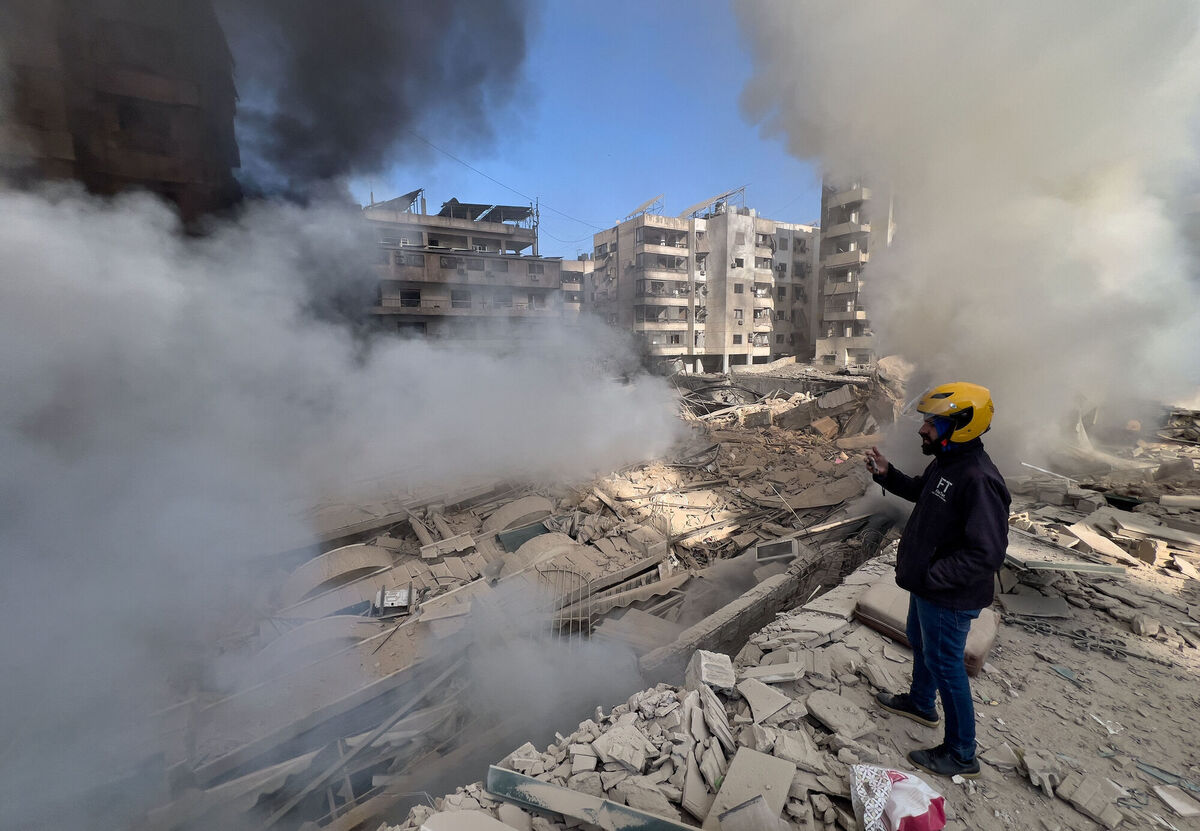
This transformation has been gradual but unmistakable. Since October 2024 in particular, Irish troops have operated with restricted movement and reduced visibility across their area of operations. Patrol patterns have been curtailed. Engagement with local communities — once the heartbeat of Irish deployment — has been severely constrained.
Compounding this shift is the demographic reality of south Lebanon today. Large-scale displacement has left many villages sparsely populated or effectively empty. The civilian presence that Unifil was mandated to protect and reassure has, in many places, fled north.
The “fragile peace” that exists is less the product of deterrent patrolling than of absence — absence of civilians, and the persistent presence of Israeli forces, which have not fully withdrawn since the December 2024 ceasefire.
Unifi land observers from the UN Truce Supervision Organisation (UNTSO) have recorded thousands of alleged violations of UN Security Council Resolution 1701 since that so-called ceasefire. Israeli airstrikes have become near-daily occurrences. The mission remains, but its operational freedom does not.
Ireland has 358 personnel serving with Unifil, alongside smaller contingents in UNTSO roles across Israel, Lebanon, and Syria. They deploy knowing this is no longer a traditional peacekeeping theatre. Pre-deployment training reflects that reality. Troops rehearse bunker drills, indirect fire response, mass casualty procedures, and communications under fire. In-theatre training reinforces it.
The rhythm of daily life has changed accordingly. Movement between accommodation blocks and reinforced shelters is routine. Protective measures dominate planning cycles. Yet the presence remains robust.
Peacekeeping missions often operate in the space between diplomacy and deterrence. Even when constrained, their existence can serve as a stabilising reference point, a reminder of international scrutiny. But there is a strategic question looming.
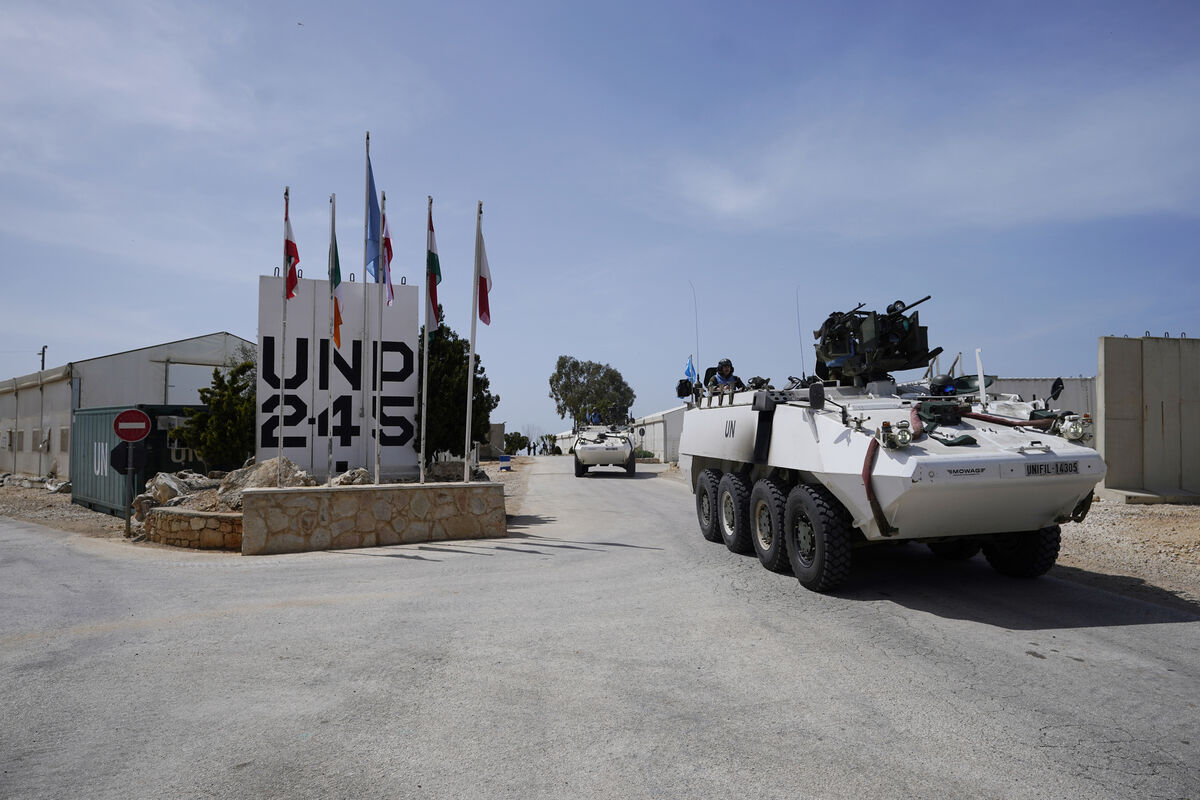
Unifil is due to wind down in the coming 18 months — a move strongly pursued by the US and, in particular, Israel. The renewed escalation may complicate that calculation. If the region slides further towards open confrontation, the argument for an international buffer presence could strengthen rather than weaken.
Conversely, if UN forces are persistently confined to bunkers, critics will argue the mission has become symbolic.
For Irish troops, however, the debate in New York or Washington is secondary to the reality on the ground. Their mandate remains peacekeeping. Their daily experience increasingly resembles contingency warfighting preparedness without the authority of combatants.
Ireland has served in Lebanon for generations. What is different now is not just the danger, but the expectation.
Peacekeeping in south Lebanon has not ended. But it has changed profoundly. The blue helmets remain — more static, more protected, and still present — holding a line that grows thinner by the day.


CONNECT WITH US TODAY



Be the first to know the latest news and updates