Emma deSouza: So much more needs to be done to support rural resettlement
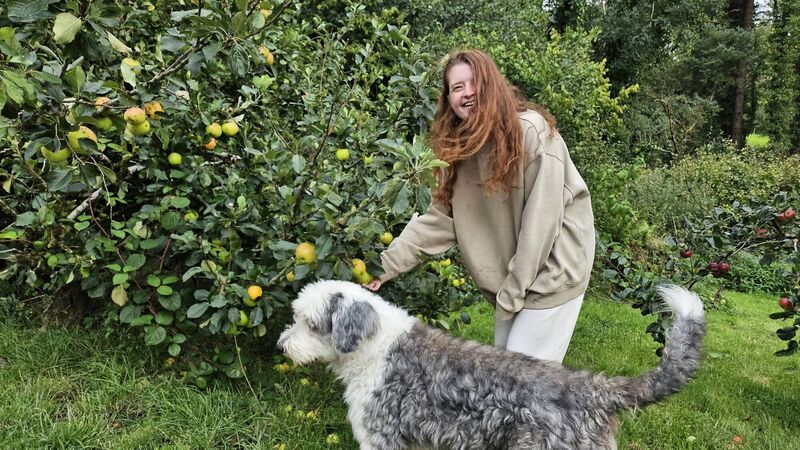
Emma deSouza in her garden in Fermanagh. She says gardening began as a chore and has become an adventure.
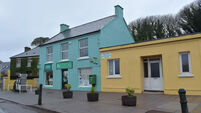
Towards the end of 2020, following months in lockdown during covid, we travelled to Fermanagh to view a house.
The rural county wasn’t our first choice. We were invariably late, struggling to locate the house on a rural road, ending up in what would eventually become one of the neighbours’ fields — an experience shared by many who have attempted to locate us since.
But once we managed to find the quiet retreat we could call our own, Fermanagh became home.
The transition for two 30-somethings who had spent their lives in cities and urban centres, winding up in a rural community was not without its challenges: There would be no takeaways delivered to our address, we are lucky if our post arrives.
Broadband involved getting a large satellite attached to the roof for a fraction of the speeds we previously enjoyed in Belfast, and all the convenience we had been so accustomed to was gone, but what we gained far surpassed either of our expectations.
Fermanagh is where I learned that nearly everything in your garden can be made into wine; apple, sloe berry, elderflower, rhubarb, and blackcurrant wine have all become annual staples. It’s here that I learnt to intervene when a sheep is on its back, knowing now that they cannot right themselves again unassisted and will die without help.
Fermanagh is where my Los Angeles-born drummer husband was inspired to create homemade watercolour paints from natural ingredients including grass, gorse, and ash branches — a skill he now teaches in primary schools in a weekly eco-arts course.
Our hobbies a nd interests changed; The baking began out of necessity and continues out of joy. Gardening began as a chore and has become an adventure, from discovering new plants to experimenting with what we can grow and eat — it turns out dandelions are delicious tossed in a pain with some flour and butter. Our dogs enjoy the fields, we enjoy the space.
Living in a rural community does have its drawbacks; Public transport links are woefully inadequate, and healthcare access is limited.
The bottom line is, you are not a priority — whilst my family living in an urban centre had their electricity restored within three hours during 2025’s Storm Eowyn, we had none for a week, and no broadband for two.
Six years later we have fully adapted to rural living. We know to stockpile supplies, we are prepared for the many blackouts, we don’t miss the city.
It is a privilege to be a part of a rural community, and one I wish more people could avail of.
Dublin is one of the most expensive and congested cities in Europe, and Belfast is the most expensive place to rent in Northern Ireland.
All the while, houses lie vacant in rural communities across this island.
Having made the move, the solutions needed are obvious; better public transport, access to healthcare, hybrid working options, and relocation grants or supports would help make moving out of the city more accessible.
This is a rural island — a third of the population lives in a rural community — yet we have one of the worst public transport networks in Europe. That’s not by accident; it’s a political choice.
Dublin city councillor Deirdre Heney recently suggested that more should be done to encourage people to move out of the city.
In France, the government subsidises rural energy bills and offers tax credits for home-help such as childcare and cleaning.
For business owners, the French government provides a 100% income tax exemption for five years if you start a company in a designated rural zone.
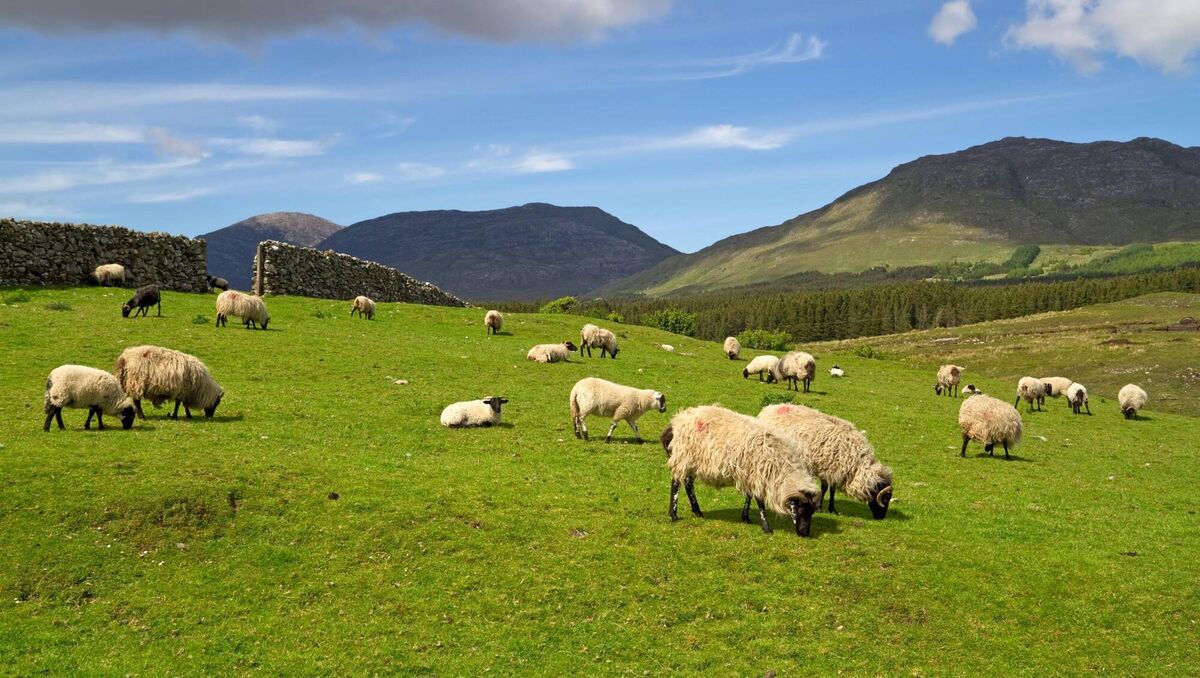
In terms of transport, the country has an expansive rail network including high speed rail and offers a “transport on demand” service for all residents in rural communities, enabling residents to order a shuttle with two-hours-notice.
There are several active policies and supports in various regions of Italy.
In Sardinia, a €15,000 grant is available to those who buy or renovate a home, and the local government provides a nursery bonus covering part of the cost of childcare.
In Calabria, people under 40 who move to villages with fewer than 2,000 people receive between €700 and €800 a month for up to three years.
In Puglia up to €30,000 is available for purchasing and renovating an abandoned home, whilst a €1,000 ‘newborn bonus’ is granted for every baby born to families who move there.
Greece offers a 50% tax break; Portugal has grants of up to €4,800 to support relocation costs.
The Irish Government, and indeed the Northern Ireland Assembly, could both be doing so much more to support rural resettlement.
The benefits are 10-fold: Revitalising rural communities, decreasing housing pressures and congestion, diversifying the work force, supporting the environment with green public transport.
What is missing is the political will and long-term thinking needed to unlock the potential of rural Ireland.
And yet, we make it work.
The city is always there to visit but rural Ireland is home now.

Subscribe to access all of the Irish Examiner.
Try unlimited access from only €1.50 a week
Already a subscriber? Sign in
CONNECT WITH US TODAY
Be the first to know the latest news and updates