Rolling back environmental regulation is the ultimate act of self-harm
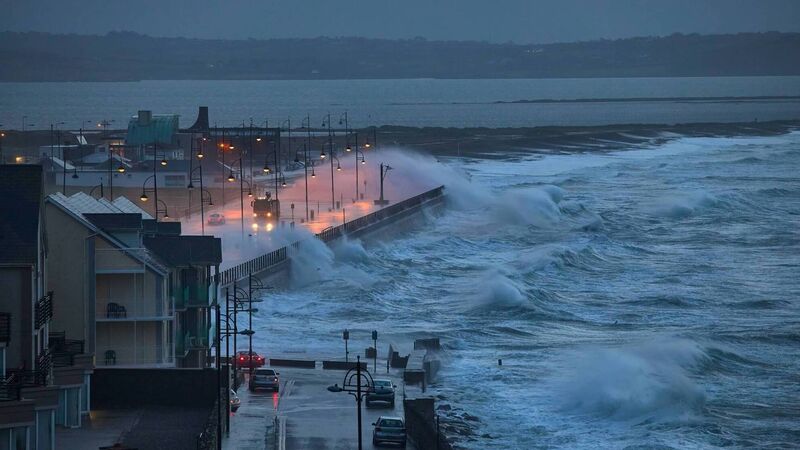
Cutting back on environmental rules and regulations in the face of a climate and biodiversity crisis is the classic example of cutting off our nose to spite our face. File picture
“History repeats itself, but in such cunning disguise that we never detect the resemblance until the damage is done.” The words of American journalist Sydney J. Harris ring true today.
The Banking & Payments Federation Ireland has said creating "a more proportionate and simplified regulatory framework" should be among the priorities of Ireland’s presidency of the EU.
With bank representatives now calling for regulatory reform, it seems we are in danger of forgetting the lessons of the past and that history may again repeat itself.
It seems the lessons of ‘light-touch’ regulation, one of the factors that led to the banking crisis in 2008, have been forgotten.
The cunning disguise this time is soothing words such as simplification and competitiveness.
Read More
Sure, doesn’t everyone like when things are simple, and there’s nothing wrong with keeping up with everyone else. Who could be against such things?
Except that simplification and competitiveness are code for deregulation and tearing up the rulebook. The simplification onslaught is everywhere and Ireland is no exception.
The concerted attack on judicial reviews and public access to justice is just one example. We have been treated to a chorus of voices from politicians, pundits, developers, businesspeople and politicians, including the Taoiseach, calling for the curtailment of judicial reviews.
Apparently, they are killing us. Judicial reviews are often portrayed as the preserve of individual NIMBY types or environmental busybodies, when in fact, it is often the last opportunity for concerned individuals or groups to draw attention to flawed planning.
The claims that the housing crisis is caused by judicial review is not true, according to research by Fred Logue, a solicitor specialising in environmental law.
The number of new housing judicial reviews against grants of permission is down significantly year on year, with judicial reviews by developers against refusal up, he found.
It is highly unlikely that developers will be largely discommoded by the Government’s planned changes to judicial reviews, so a cynic might be forgiven for thinking that they are aimed at ordinary citizens and small organisations seeking access to justice.
The demonisation of judicial reviews can be seen as part of a wider attack on regulation and, in particular, environmental regulation.
Last November, the Taoiseach said that infrastructural development for major housing projects is being hampered by too many EU rules and regulations. Micheál Martin said the Government is exploring ways to roll back some so-called “gold-plated” EU regulations that place strict obligations on developers in relation to environmental concerns and other matters.
Here in Ireland, in Europe and further afield, we are witnessing a deregulatory agenda cloaked in the language of simplification. Across the world, right-wing political forces are working to dismantle decades of environmental and social progress.
In the US, we’ve seen the Department of Government Efficiency ruthlessly gut important federal services particularly in the areas of health, social services and the environment, dismissing thousands of staff and leaving many federal agencies in disarray.
Under the Trojan horses of “competitiveness” and “cutting red tape” and “simplification”, the EU has been aggressively rolling back protections — killing off key laws and weakening critical safeguards for nature, climate, and public health.
The environment seems to hold a special place of hatred in the hearts of right-wing populists and is at the forefront of their deregulation agenda.
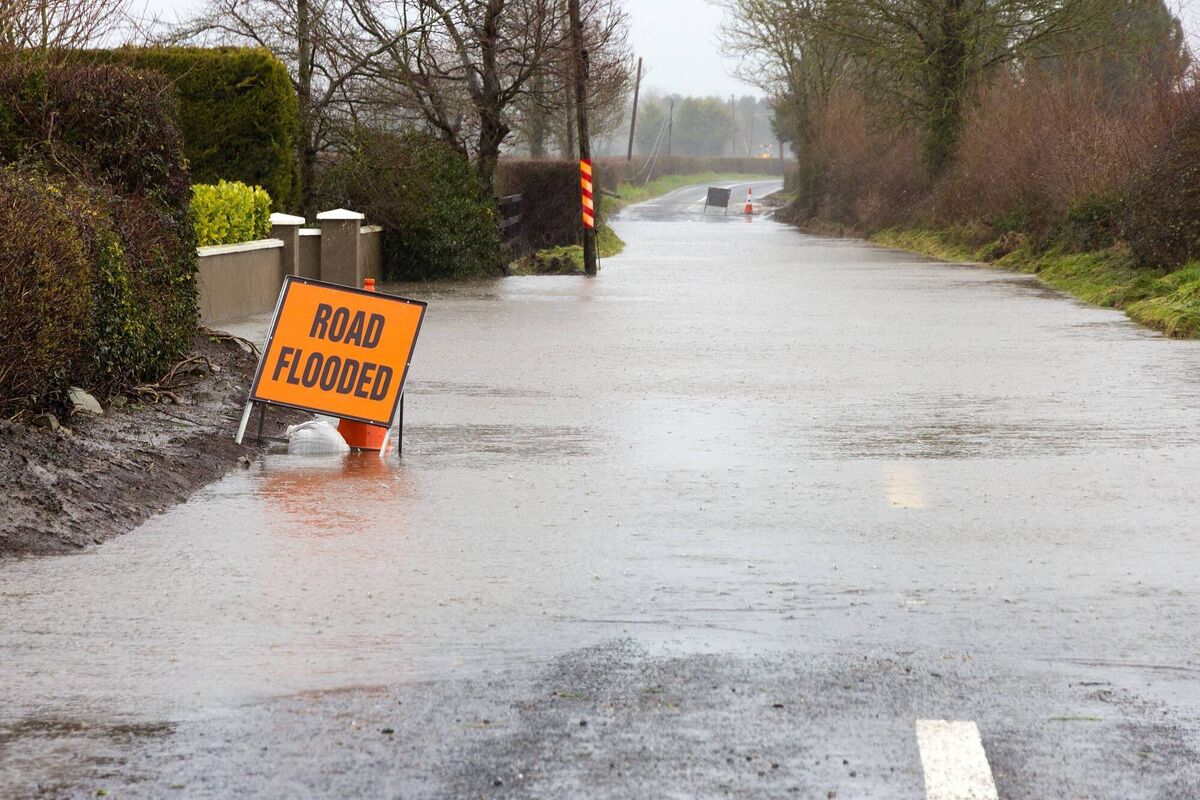
As the EU lurches to the right, last year saw the delaying or changing of a host of regulations — a law to stop deforestation, downgrading the status of the wolf and giving car makers two extra years to meet pollution targets.
The European Parliament has voted for — and gone even further than — the European Commission’s proposal to weaken the current CAP green measures. In early November, the European Parliament approved sweeping cuts to the EU’s Environment, Social and Governance rules.
The previous year saw the rollback in environmental requirements in the ‘green’ CAP. To cap it all, at the end of the year, the European Commission published its Environmental Omnibus and the Grids Package which weakens crucial environmental and climate laws. The much-vaunted EU Green Deal now resembles a hollow shell.
“Spare the regulation and you spoil the corporation” were the sage words of CAA Savastano, an author whose research focuses on intelligence, politics, and human behaviour. And it looks like our corporations and business billionaires are being spoiled rotten.
The “simplification agenda” isn’t about efficiency — it’s about deregulation and democratic erosion. It weakens our rights, blocks access to justice and lets a few people profit, while society and our environment pay the price.
And Irish people should remember who paid the price the last time we embraced “light touch” and non-intrusive regulation. The banking crisis of 2008 did not just leave a trail of busted banks, enormous unemployment and devastating debt.
The Celtic Tiger left a sub-standard building and construction legacy from a lack of enforcement of building and planning regulations — the Mica scandal being just one example.
The private debts of the failed banks were nationalised and the Irish taxpayers and Irish people shouldered the burden.
“Lessons have been learned” is probably one of the most over-used phrases in Irish politics in the aftermath of some crisis or calamity to try to reassure the public that it won’t happen again.
But it looks like the lessons around the need for adequate regulation, standards and rules from the 2008 crash have been very quickly forgotten or conveniently ignored. But this time, it is in the environmental sphere.
And the question should be asked — if our environmental regulation is so onerous, how come our environment, nature and biodiversity are in such a perilous state? It would suggest that our environmental regulations that were or are currently in force are the bare minimum.
Cutting back on environmental rules and regulations in the face of a climate and biodiversity crisis is the classic example of cutting off our nose to spite our face — an act of self-harm.
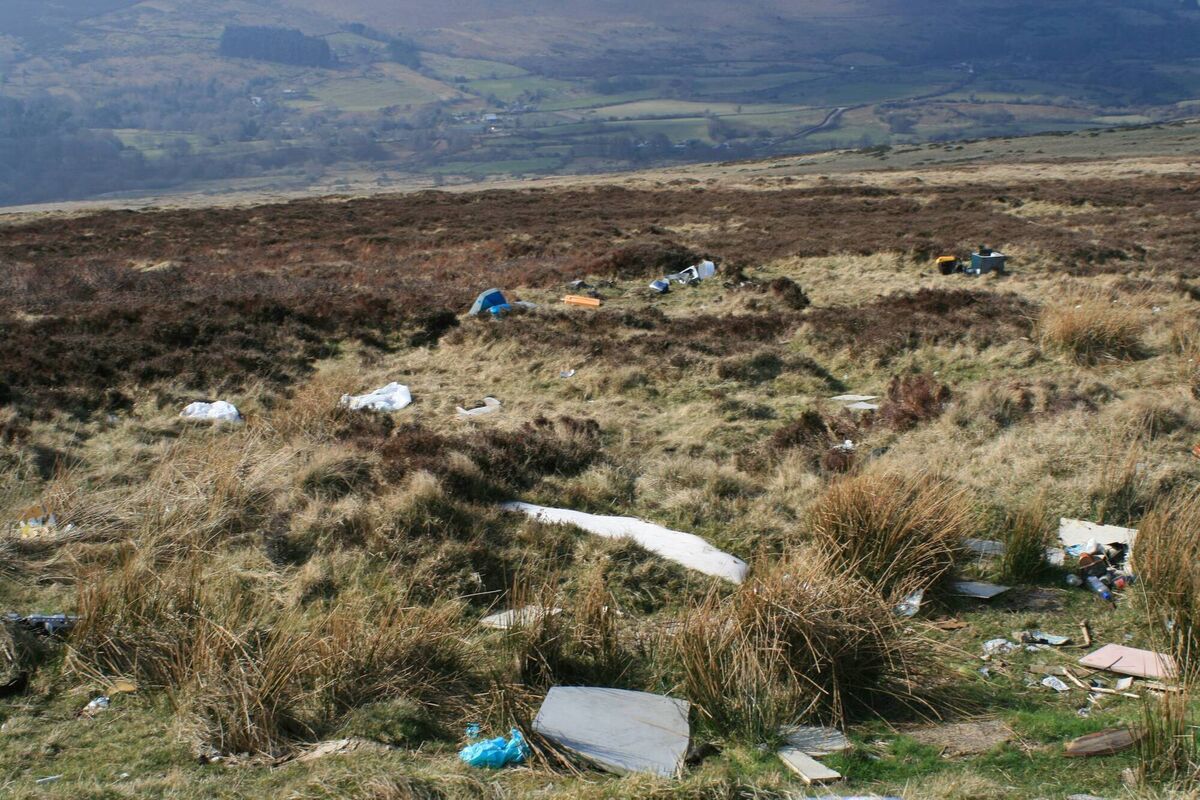
The American newspaper columnist, author, and political commentator Mary Tyler "Molly" Ivins probably best summed up the need for regulation when she said: “It's all very well to run around saying regulation is bad, get the government off our backs, etc.
"Of course, our lives are regulated. When you come to a stop sign, you stop; if you want to go fishing, you get a license; if you want to shoot ducks, you can shoot only three ducks. The alternative is dead bodies at the intersection, no fish, and no ducks. OK?”
- Ciaran Brennan is Head of Communications at the Environmental Pillar - Working for a sustainable future


CONNECT WITH US TODAY



Be the first to know the latest news and updates