Future Cork: Is the city ready to enter the 21st century?
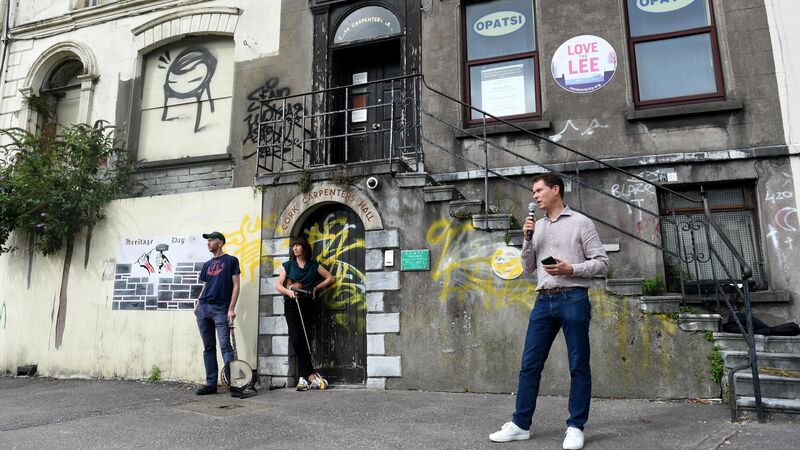
Five years on, it is not clear if Cork City is ready to leave behind the 20th century urban design of car-choked streets, concrete jungles, private wealth and public squalor of dereliction and really start to build a 21st-century city of co-designed public luxury, thriving local communities and businesses, and clean air with an abundance of nature. File picture
“Imagine a city where dereliction is turned into an opportunity to create a liveable urban environment where everyone can thrive with no exceptions made, where experience is prioritised over consumption and where we make the most of the resources we have.”
We wrote this as part of our ‘re-imagining a 21st Century Cork’ way back in April 2021. We asked readers to time travel with us to 10 years into the future to this reimagined Cork. Halfway to that decade point, it is time to see where we are on this journey.
In 2021 we identified five derelict sites that were a major blight on the city; Odlums, Butter Exchange, North Main Street’s infamous five, Old Timber Yard on Kyrl’s Quay, and the old Tax Office site on Sullivans Quay. Unfortunately five years on, all of these are still in a derelict state.
Yes some have had new plans submitted and some even had commencement notices (Odlums nearly two years ago now), but none have undergone any substantial works to protect their unique heritage, let alone to remove the decay and dereliction.
We visit and record details of these sites regularly and are saddened to report that Odlums has decayed significantly over the past five years.
While the Butter Exchange had some minor repointing and cleaning a few years ago, it was just papering over the cracks, some of which have re-emerged.
Disappointingly a large section of the footpath on North Main Street is once again fenced off after more debris fell onto the streets last summer.
We have lost the unique and beautiful Belfast trusses in the Old Timber Yard, while Kyrls Street is now fully blocked off with unsightly temporary fencing since last spring.
It is hard to find any positives other that the hoarding on the old tax office gives street artists an ongoing canvas; this is particularly ironic, given the old tax office had been reimagined into a wonderful art space before it was unnecessarily demolished eight years ago.
A major loss given it was one of the few Brutalists buildings in Ireland.
After all Cork City has been through in recent times, you would not expect this to be continuing. But it is. And remember these are not the only prime sites in the city that have been long-term derelict.
Consider the shameful decay of the Custom House and Bonded warehouses in the Port of Cork, where plans for a 34-storey hotel will expire in March.
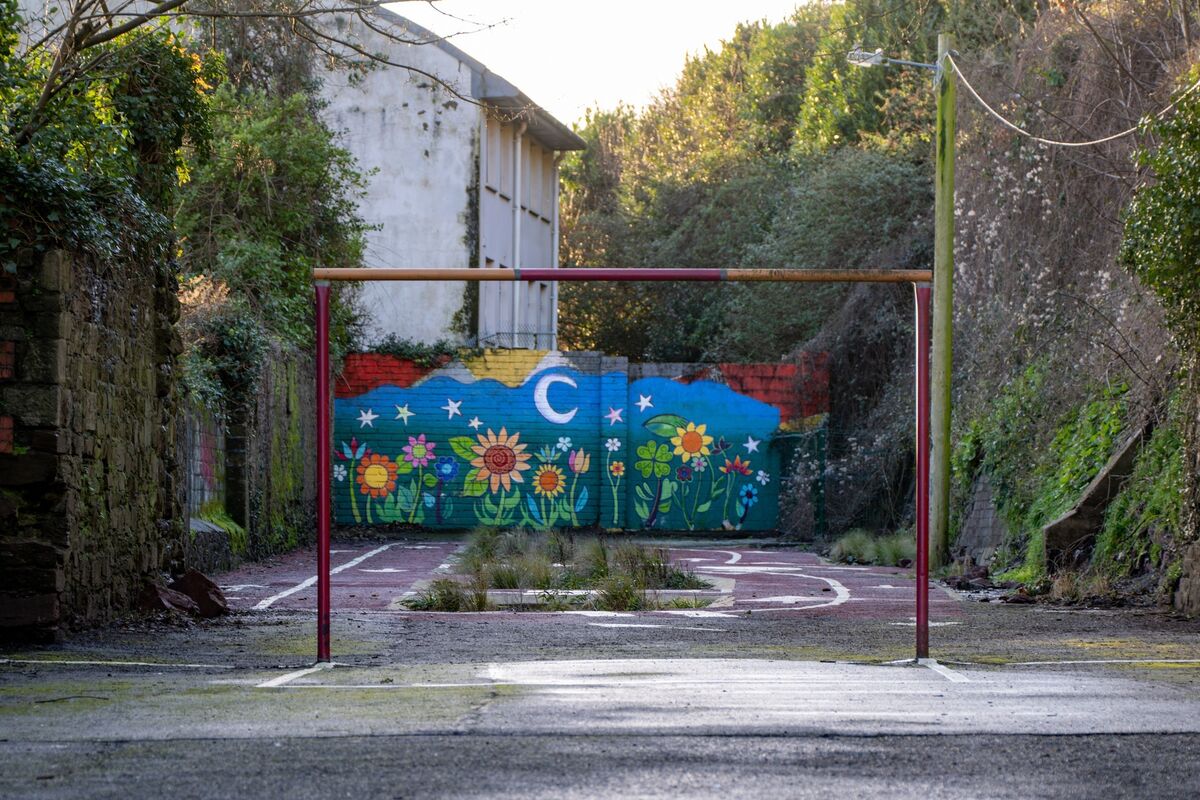
And don’t forget the two beautiful warehouses on Parnell Place that showcase the famous and unique material combination of red sandstone and grey limestone, materials that signify the red and white of Cork.
In the last 20 years these have been owned by NAMA, Cork City Council, and now private developers. And yet there they stand, decaying. All of these buildings could be considered priceless irreplaceable heritage, vital for all of our wellbeing and sense of place.
In many respects they are central to what defines us a historic city. They cannot be replaced, when they are gone they are gone.
Sadly a pattern of big announcements and changing plans alongside continued decay and dereliction, speculation and loss of heritage has taken hold in Cork City, exemplified by the perpetually burgeoning event centre. It is now 10 years since the infamous ’turning the sod’.
It’s not all doom and gloom. There are signs that progress is happening. 107 of the buildings we categorised as derelict in our in-depth study six years ago are now back in use.
Over 20 more are under construction. The majority of these are one- or two-storey buildings renovated back into homes. The larger completed developments include the Moxy Hotel chain at Camden Quay and the former Morrisons hotel where there is now a Premier Inn, albeit with a number of vacant buildings.
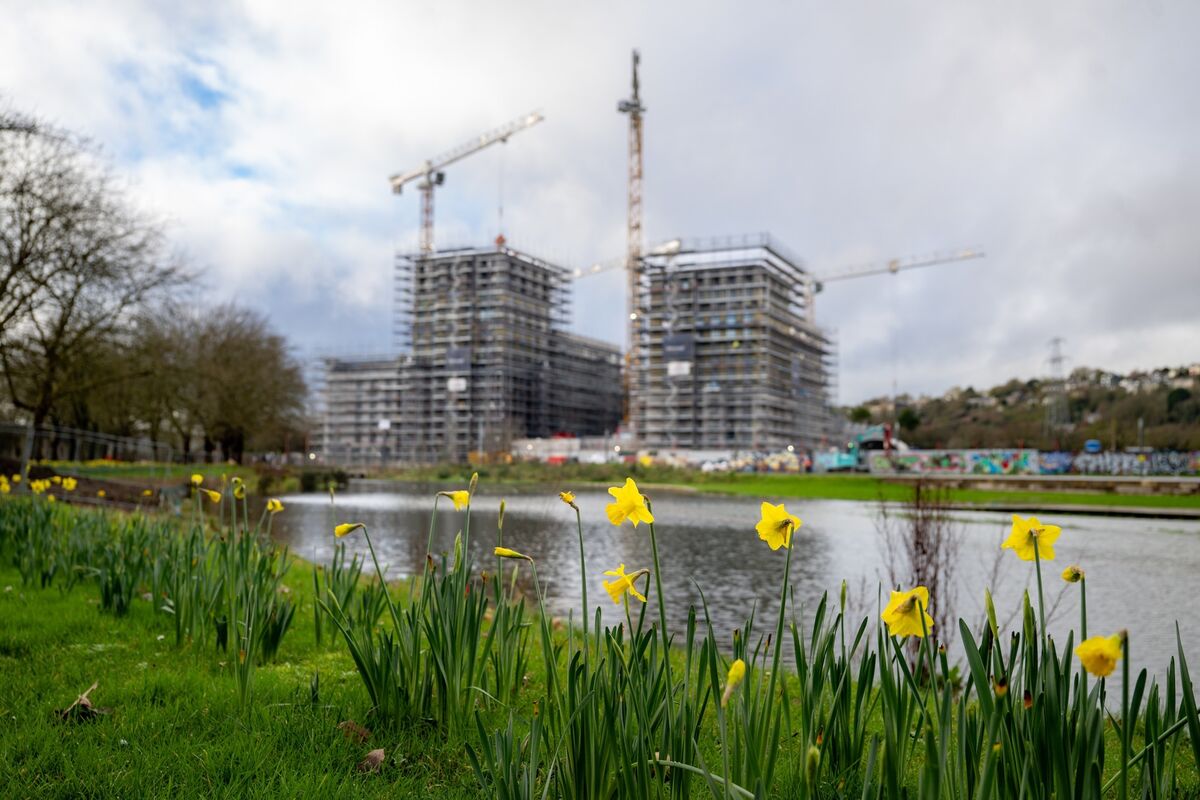
There’s also the heavily subsidised apartment building underway on Horgan’s Quay and Albert Quay, which had three planning applications after the much-loved and much-missed Sextant bar was demolished to create a vacant site for five years.
Five years ago we also envisioned a Cork City by 2031 where “Plans have been realised for 100 pocket parks, 1,000 benches, and 10,000-strong urban forest, all funded from the millions collected by Cork City Council through the dereliction levy.”
While levy collection is still proving a major challenge to Cork City Council, over 15,000 trees have been planted since 2021. However, very few of these could be considered ‘urban forests’ as they are mostly planted in the city’s suburbs in parklands like Marina Park, Ballincollig Regional Park.
The city centre and the north side has only gotten a handful of new trees, predominately replacing trees that have been removed.
City centre streets that were recently upgraded with promises of new trees were told hard luck, it was too difficult to put them in the ground.
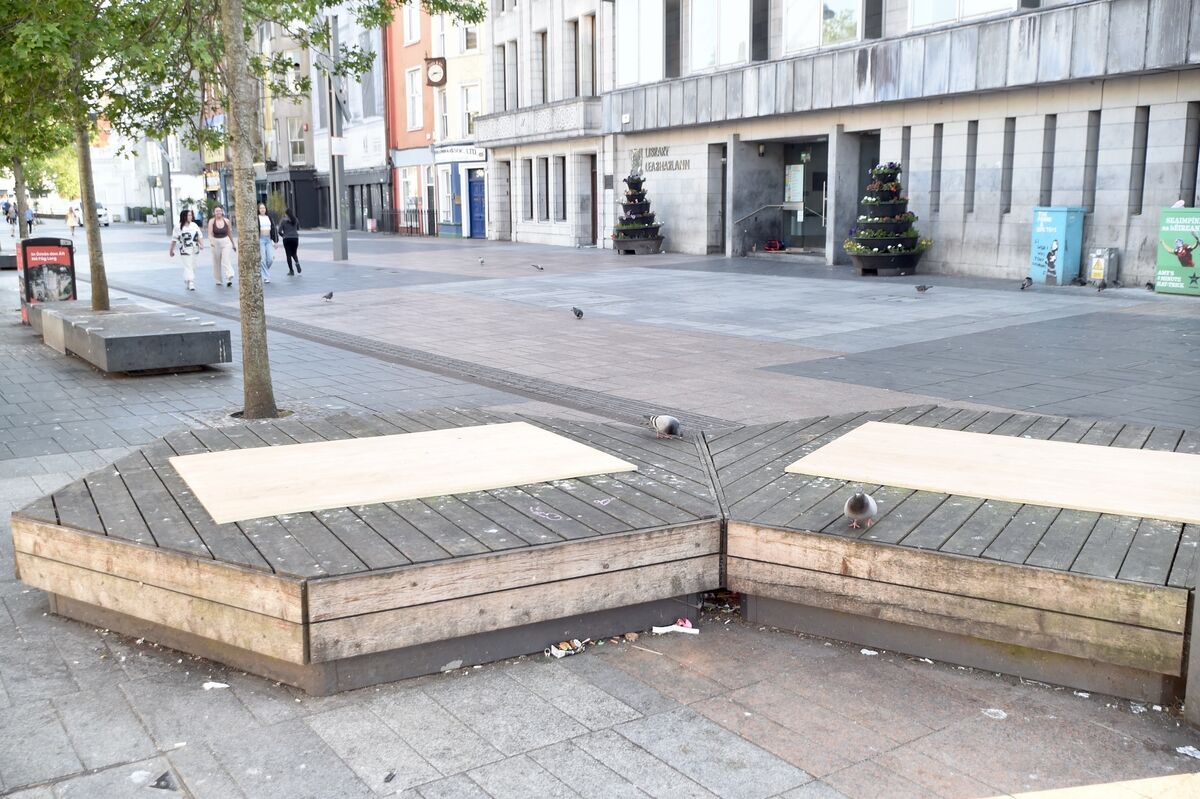
Not to mention the scandal of the CityTreeTM (aka RobotTrees), which were little more than energy and water guzzling gizmos made from dead trees and critical raw materials that have possibly become the most expensive public benches in Irish history.
Proving, ironically, that the city is in desperate need of the 1,000 benches we called for five years ago.
In 2021 we also called for a city “designed with and for the people” and unfortunately we are no closer to this ambition than we were five years ago. The hostile backlash to the removal of Bishop Lucey Park is a testament to the authorities' lack of understanding what the public actually want for their city.
What was surprising was the council’s shock at the overwhelmingly negative response to concreting over the only green space in the city centre to create a €7m thoroughfare to the non-existent event centre. While we provided an in-depth response to the public consultation for the park (two of just 14 people who did) our free professional advice was largely ignored.
You can see why public consultations in Cork City are known as a ‘black hole’. The consequences of this outdated approach is clear; people stop engaging, and as a result everyone loses out.
The one positive to come from this debacle is further proof that there is a huge demand for green spaces in the city centre. But are the city council listening?
Before we conclude this piece it is worth repeating what we said in 2021.
Cork should “not be a follower of other cities, not be dependent on corporates, global brands or extractive economic models. It should simply be itself, celebrate who it is, its built environment, its natural resources, its landscape, its people, its heritage while focusing on independent, local businesses.”
Five years on, it is not clear if Cork City is ready to leave behind the 20th century urban design of car-choked streets, concrete jungles, private wealth and public squalor of dereliction and really start to build a 21st-century city of co-designed public luxury, thriving local communities and businesses, and clean air with an abundance of nature.
However, we will continue to advocate for this reimagined Cork that works for everyone. We live with Dóchas.
- Jude Sherry and Dr Frank O’Connor are founders of anois.org, ffud.art and #DerelictIreland.
- On Friday 27 February the will present 'Future Cork', a flagship event bringing together leaders, innovators, and changemakers to explore the opportunities and challenges that will shape Cork’s next decade. This article is part of the Future Cork series.

CONNECT WITH US TODAY



Be the first to know the latest news and updates