Change in disability care is possible — it just requires planning
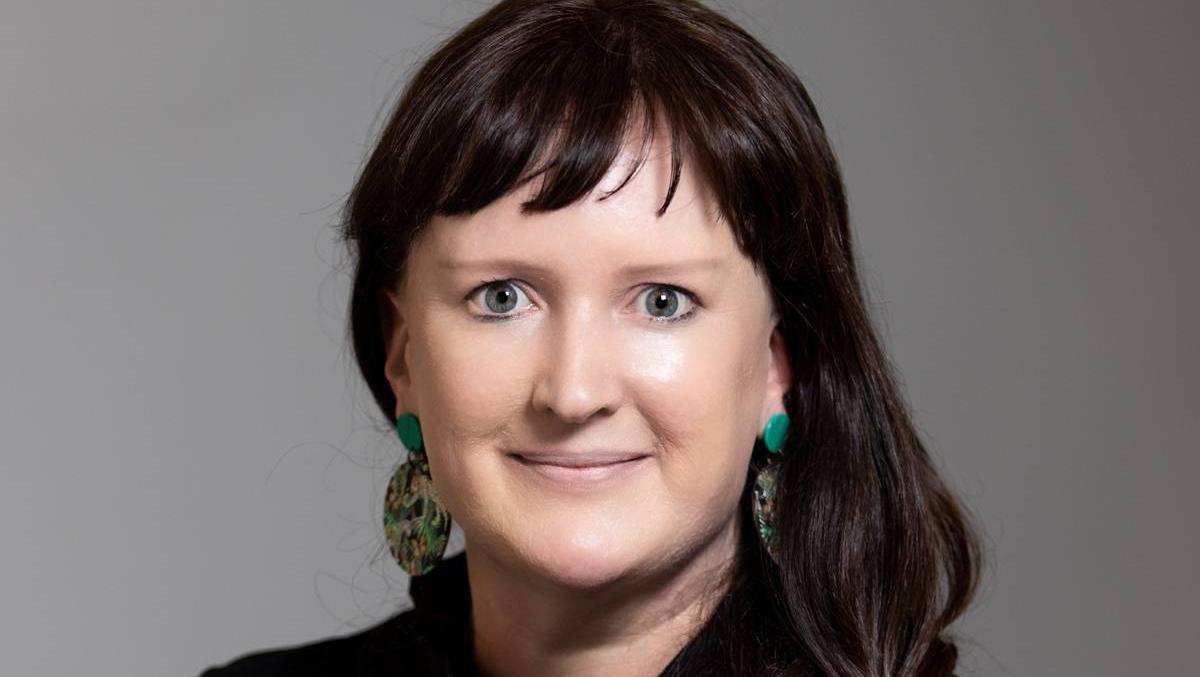
Inclusion Ireland CEO Derval McDonagh: A ground up approach is needed. File picture: Karl Hussey
There was significant media commentary recently about people with intellectual disabilities and rights denied to them, including a home of their own.
Families spoke about the circumstances they are in, the trauma of living in limbo, not knowing what the future holds. This story is all too familiar to our members at Inclusion Ireland.
Imagine the scenario. You are 40 years old, you have an intellectual disability, you are living with your parents and they are getting older. You are picking up on the stress in your house.
There is no plan to move into your own home, no one is speaking to you about what might happen. You are worried, you know your parents are too. The inevitable happens, your parents become unwell, pass away. In that most traumatic of times, you are forced to move in with strangers, far away from your community.
This isn’t a made-up scenario. It happens frequently to people with intellectual disabilities. It is inhumane, it is deeply traumatic and, it is entirely avoidable.
In our recent 1,000 voices survey survey, only 10% of people with an intellectual disability and their families had a meaningful plan for their future living arrangements. So, in effect, 90% of our community are living with that fear, that uncertainty, every day.
As a society we are still living with institutionalised and charitable mindsets when it comes to housing and supported living for people with intellectual disabilities. We often assume that people should be “cared for” rather than having a right to their own independent life.
It is a reality that many people in our community will need support to live a life outside the family home. The level of support people need varies and depends on their own unique circumstances. It is possible to plan for this.
In a rights-based culture, this planning would be the norm.
We would have the same ambitions and expectations for disabled people as we do for our non-disabled peers, assuming that a person should, at some point in their life, have a home of their own. We would work with people, early, to identity their hopes for their future. Some people may choose to live with family, some have their own life partner, some want to live with friends.
Despite knowing that this is the best, most effective and most economical way to work, the creaking system we have right now, continues to react in incredibly narrow ways that mirror institutionalised practices of old. We do “to” rather than work with people.
How we have designed services and supports in Ireland is incoherent at best, inhumane at worst.
In my working and personal life, sadly, I have seen the results of this play out so many times. When we respond in crisis, it is always the most expensive and least humane solution. For every “crisis” there is a story spanning at least ten years where people were asking for support, telling us what they needed. The trauma was avoidable.
The new National Human Rights Strategy for Disabled People names this as an issue to be addressed. There are some excellent people working within the system who want to see real change. Providers recently spoke at Joint Oireachtas Committees about solutions to end the crisis. So, is change possible?
Yes, is the simple answer.
First, however, we must all agree that deep transformation is needed, no playing around the edges; a fundamental shift that will take time, resourcing, and complete reorientation. A reimagination of a different kind of “system”, one that is firmly focused on the person as a rights holder, as a valued human being.
A purely top-down approach will not work, although “the top”, at government and State level does need to clear away the systemic barriers that block progress. Some of these “unblockers” are well documented.
Move away from annual budget cycles and towards multi annual funding. Hold providers to account through service level agreements that explicitly value human rights-based approaches. Deliberately and methodically channel some of the €3.8bn spent on service provision towards creativity, innovation, and early planning with people. Better data collection. Legislation that is fit for purpose and enshrines the right to independent living.
A ground up approach is also needed, where we listen deeply to people and their families, we work with people in their communities to discover what good looks like and we hold creative, adaptive, flexible mindsets, with natural supports and relationship as cornerstones of our approach.
Of course, none of this is simple, but all of it is possible. A system that only responds in crisis, is a broken system and it results in broken people. We can do better, we must.
As Maya Angelou famously and beautifully said: “The ache for home lives in all of us, the safe place where we can go as we are.” It’s time that ache so many of our community feels is acknowledged and treated with the urgency it deserves.
- Derval McDonagh is the CEO of Inclusion Ireland.


CONNECT WITH US TODAY



Be the first to know the latest news and updates