David O'Mahony: Better to be bloody, bold, and resolute when adapting for the silver screen
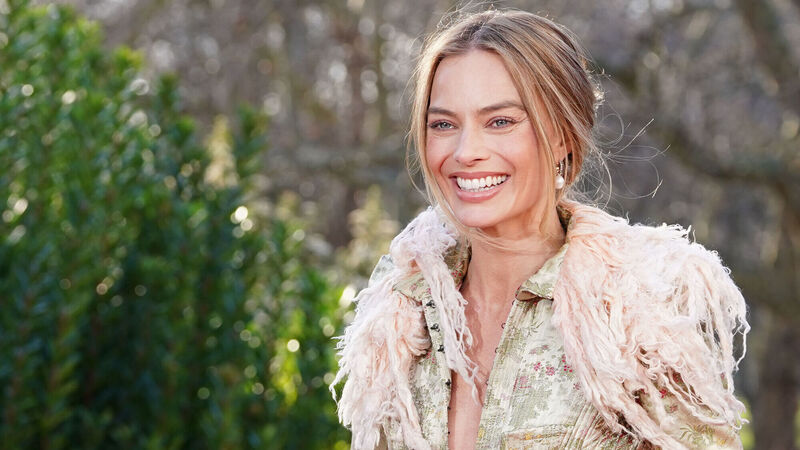
I feel no need to see Margot Robbie as Cathy, even though I’m a big fan, but at least the director didn’t just try to remake the same films that have been made of the book since the 1930s. File Picture: Ian West/PA
The early verdicts are in, and the mood music is that the “soft” adaptation of Wuthering Heights is, um, not great.
You may have seen comments like “the problem is the leads” or “emotionally hollow”. You may well have seen worse. You may even have come across people who actually like it. Maybe you’re one of them. Good for you. Like most responses to a piece of art, they’re all valid.
Most of them forget, though, that this isn’t an adaptation intended for fans of the gothic classic. It’s for people who aren’t — much as Bridgerton isn’t necessarily for fans of the history or literature of regency England. There’s more than enough room for everybody when in comes to enjoying adaptations and retellings.
And should Wuthering Heights fail as a film (artistically or commercially), well, isn’t it better to have tried and failed than been too scared to do something new?
I’m not just talking about book adaptations there. I’m talking right to your heart, there, the part of it that would love to paint/draw/dance, but is too nervous to start.
It’s okay, I’ll believe in you so you don’t have to think about it. You don’t even have to ask. But I digress (go on, do it).
Book adaptations seldom universally hit the mark
Even the greatest of them, The Lord of the Rings trilogy, has its detractors. I’ve written previously about enjoying the Rings of Power series, which, while not particularly following any established Tolkien canon, shows considerable knowledge and love of the lore to form something new.
The strongest adaptations are ones that show a love and understanding of the source material, even if they don’t manifest it literally.
Guillermo del Toro’s Frankenstein, which has Jacob Elordi (Heathcliff) as the creature, is a lavish spectacle that’s sometimes over the top and deviates widely from the source material. Yet it’s so true to the spirit of the novel (which is my favourite), while also referencing Poe, that it’s obviously not done purely for money, but by somebody who genuinely loves everything about the story and what it inspires.
Somewhere on his list of projects that never got made is an adaptation of The Count of Monte Cristo, a classic revenge tale which, in films, tends to clip along but, as a text, seems like it’s going on forever. It was rewritten as a gothic western, and the fact that we’ve never got to see that on screen surely has to be a lost opportunity.
Perhaps in time this adaptation of Wuthering Heights will be looked at more favourably. I like the novel, even if Cathy and Heathcliff are both equally unlikeable people locked in an infatuation of mutually assured destruction.
It’s not the grand romance some people believe it to be. I feel no need to see Margot Robbie as Cathy, even though I’m a big fan (this is where Beloved Wife raises an eyebrow while reading this and says something along the lines of “uh-huh”). But at least the director didn’t just try to remake the same films that have been made of the book since the 1930s.

Even looking back at literary classics, we sometimes forget how many of them were adaptations in their own rights.
Practically all of Shakespeare’s oeuvre has been adapted from something else, or inspired by real people reworked into whatever sort of character he needs. Classical books, histories, anything he could get his hands on becomes inspiration for something new or for telling older stories in a way a contemporary audience expects. No doubt somebody in the audience objected to a setting change, or a particular actor in a particular role. Yet, in time, they’ve become accepted as little entities in their own rights.
Even his work has been adapted with similar thoughts in mind. Baz Luhrman’s Romeo & Juliet shouldn’t work on paper, but it does — original dialogue and all.
Similarly, the Royal Shakespeare Company’s recent run of Macbeth is set in gangland Britain, leaning into the brutality of organised crime and the need for power and dominance (Beloved Wife likes to point out how her seat was just feet away from Sam Heughan of Outlander fame). But it goes on.
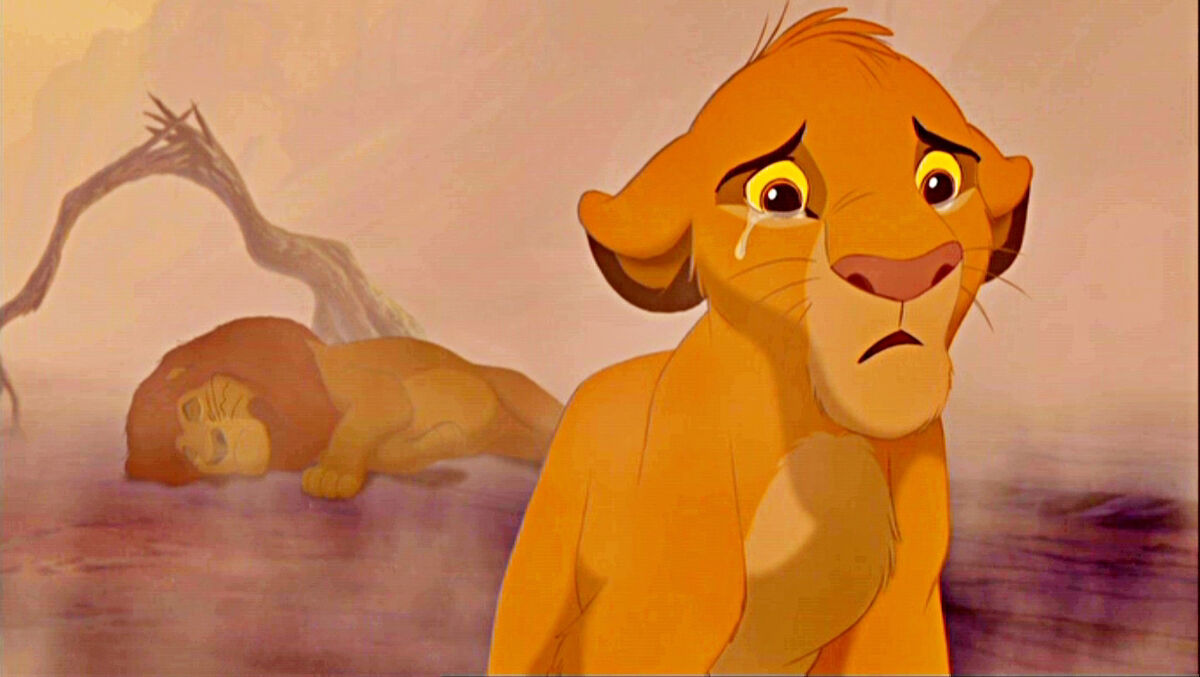
Hamlet became The Lion King and, with elements of Macbeth, Thor (Kenneth Brannagh’s one anyway). It’s the circle of life.
Pushing the edges of who stars in, or even what narratives feature in, an adaptation can make for some quite compelling art
Dev Patel is outstanding in The Green Knight, an adaptation of a 14th-century poem that most certainly didn’t envisage a man of Indian parentage playing a member of the court of Camelot.
All I’m saying is it’s good to not only push boundaries but also keep an open mind (and I’m talking to that bit in your heart now).
Robbie was a bit of a left-field choice to play Harley Quinn, but her performances remain some of the brightest parts of an ultimately failed DC film universe.
I’m not saying she’ll steal the show in Wuthering Heights or any other period drama, but that doesn’t mean it was wrong to try something new. Where’s the fun in being predictable?
CONNECT WITH US TODAY
Be the first to know the latest news and updates