Niamh Ní Hoireabhaird: How much is my life worth to the HSE?

Niamh Ní Hoireabhaird says the treatment options for Friedreich’s ataxia have largely remained the same since it was first described clinically in the 1860s. File picture
In 2009, at the age of 13, I was diagnosed with Friedreich’s ataxia (FA), a rare, progressive neuromuscular condition that results in early death. Not fully comprehending the devastating nature of my diagnosis.
I remember naively thinking, “Yeah, it’s bad news, but surely they’ll find a cure soon enough.”
The treatment options for FA have largely remained the same since FA was first described clinically in the 1860s.
Patients can use physiotherapy and exercises to maintain some strength and movement, but a targeted drug was not available.
After years of development and studies, the European Medicines Agency (EMA), the EU’s regulatory body in charge of the evaluation and supervision of pharmaceutical products, approved the first ever drug to treat FA in February 2024.
Omaveloxolone (Skyclarys) was shown to slow the progression of the disease during clinical trials.
Skyclarys belongs to a group of medicines classed as “orphan drugs”, which are designed to treat rare diseases. There are 300,000 people in Ireland living with rare diseases.
Unfortunately, a serious possibility remains that no Irish patient will ever receive this life-altering medicine. Despite EMA approval, the drug still must overcome a barrage of bureaucratic hurdles before the HSE will pay for its delivery to Irish patients.
When a drug is approved by the EMA, it then falls to individual governments to decide whether their health service will reimburse the cost.
In Ireland, this decision is made by the National Centre for Pharmacoeconomics (NCPE), a team who evaluate the benefit and costs of medical technologies and provide advice to the HSE.
When looking to recommend reimbursements for a drug, the NCPE looks at clinical effectiveness, cost effectiveness, and budget impact.
The NCPE’s long-awaited verdict on Omaveloxolone was released in December. The NCPE did not recommend the HSE to reimburse this drug because they don’t believe the drug to be cost-effective.
Call me young and idealistic all you want but I just don’t believe that life-changing rare disease drugs should be kept from patients under any circumstance — especially not “cost-effectiveness”.
The 13-year-old Niamh would have been heartbroken by this decision. The 29-year-old Niamh, however, is unsurprised.
Orphan drugs often come with a pretty hefty price tag.
In 2024, Libmeldy (Atidarsagene autotemcel) was approved for reimbursement by the HSE at a cost of €3m per patient.
Libmeldy treats metachromatic leukodystrophy (MLD), a rare, neurodegenerative disease that leads to a progressive loss of physical and, later, mental skills.
With the infantile form of MLD, very young children typically die within five to six years without the treatment. How can you put a price on that?
A 2024 study found that only 39 (25.6%) of the 152 orphan-designated medicines with EU marketing approval were approved for reimbursement in Ireland.
A HSE spokesperson said: “The HSE robustly assesses applications for pricing and reimbursement to ensure that it can stretch available resources as far as possible and deliver the best value in relation to each medicine and, ultimately, more medicines to Irish citizens and patients.”
I picture a group of men in suits, sitting behind a desk, making decisions about which drugs will or will not be reimbursed, deciding which patients will or will not get access to their much-needed treatment.
The price of drugs are often unaffordable for people like me, but the cost is a drop in the ocean for the government.
My story is just the tip of the iceberg. On a European scale, Ireland has a bad track record with orphan drugs.
Like so many other people, I first became aware of drug issues through the advocacy of cancer campaigner Vicky Phelan. After her cancer returned in 2018, Ms Phelan sought out a treatment called Pembrolizumab (Pembro).
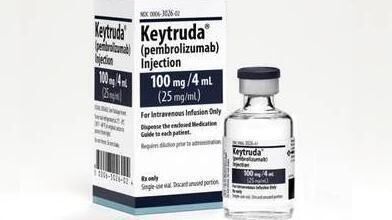
At the time, Pembro was available in the US but wasn’t licensed for cervical cancer in Ireland. I remember being struck by the utter unfairness of the situation.
Thankfully, Pembro has since been reimbursed after strenuous campaigning.
In 2022, the Irish Pharmaceutical Healthcare Alliance (IPHA) reported that Ireland ranked 27th out of 35 countries reporting data in Europe for speed of access to newly authorised cancer medicines.
The data also showed that it took, on average, 870 days from EMA market authorisation of an orphan drug to availability for patients in Ireland. The European Union average is 636 days.
This makes Ireland the slowest country in western Europe to make orphan medicines available to patients. Ireland is slower than some countries in Central and Eastern Europe, like Romania, Bulgaria, Slovenia, and Slovakia.
Without these orphan drugs, there is a significant unmet need. Rare disease patients in Ireland are suffering.
Epidermolysis bullosa (EB) is a group of rare, inherited conditions that cause fragile, blistering skin. There are approximately 300 people with EB in Ireland.
Filsuvez, a topical treatment for EB, was approved by the EMA in 2022 but it has still not been reimbursed in Ireland. In April 2025, the NCPE recommended that the drug be considered for reimbursement if cost-effectiveness is improved.
“The treatment for EB has not advanced much over time and Filsuvez actively promotes wound healing for people with EB,” says Mary Nicholson, head of advocacy at Debra, the national charity for EB.
“While it is not a cure, it can improve and expedite wound recovery. It may reduce the equivalent of a bandage change every two weeks, providing some pain alleviation. Any reduction in the pain and infection associated with frequent bandage changes and wound care practices is to be welcomed given the all encompassing impact this has on the life of people living with EB.” It makes my stomach twist to know there are drugs out there that could alleviate the suffering of rare disease patients, even by a fraction, but they are not being granted access.
When Omaveloxolone first appeared on the horizon in 2024, I was considerably less impacted by FA than I am now. In just two short years, I’ve lost a lot of my fine motor skills, my eyesight is getting fuzzier, and my speech is slurring a lot more.
I would give anything for a drug that slows these symptoms.
Because of the complex, multi-system nature of the disease, I understand that just one drug won’t be able to treat every aspect of FA. I hope I will be around to see multiple drugs coming down the treatment pipeline.
This is why it is so essential that Ireland develops a robust approach to approving and reimbursing orphan drugs.
On January 20, minister for health, Jennifer Carroll MacNeill, announced framework agreements on the pricing and supply of medicines which would see a more timely, transparent, and patient-centred medicines access system in Ireland.
“Currently, the reimbursement process is far too long but Debra is very encouraged by the recent announcement” says Ms Nicholson. I’m wary but I ultimately share Debra’s positive outlook.
With this announcement, the new national rare disease strategy and Budget 2026’s earmarking of €30m for new orphan drugs, Ireland has the potential to change and save thousands of lives.
Ireland has a lot of work to do. In many cases, this really is a matter of life or death.
- At the time of writing, neither the NCPE nor the health minister had responded to our request for comment.
Read More
CONNECT WITH US TODAY



Be the first to know the latest news and updates