Heated Rivalry wasn’t just TV — it mirrored the hidden reality of being gay in Irish sport
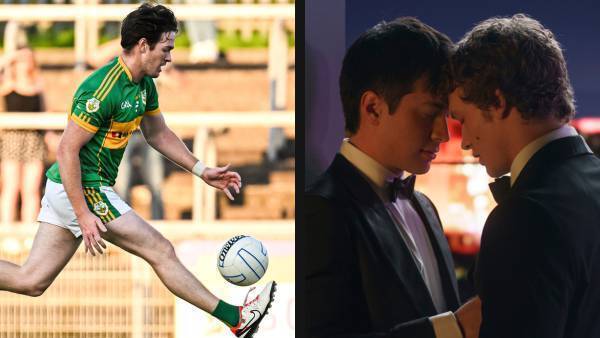
'Heated Rivalry' didn’t change my life. But it reminded me of something important: that stories have power. They can open conversations. They can offer relief. They can make someone feel seen for the first time. File photo
When I first started watching , I expected what most people did. A sports romance. A lot of tension. A lot of heat. What I didn’t expect was to feel like someone had reached back into my own life and put words, faces, and scenes to emotions I’d spent years trying to hide from those around me personally and on the pitch.
For many viewers, it’s entertainment. For others, it’s escapism. But for me, it felt like recognition and representation.
Growing up playing sport in Ireland, particularly within GAA, sport was everything. It gave me structure, friendship, community, pride and identity. It was where I felt strongest, most capable, and most alive.
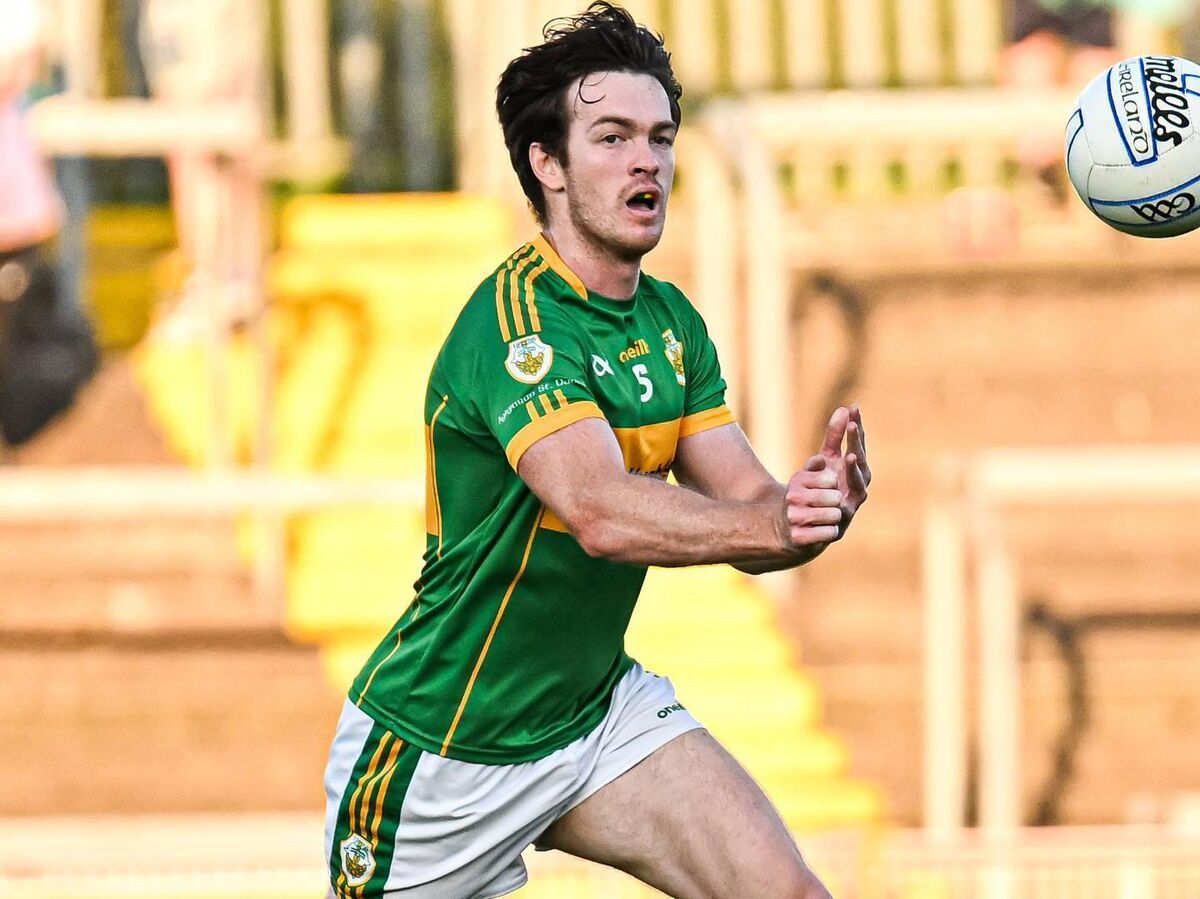
But it also came with rules that were never written down. Rules about how you should talk, how you should act, what you should laugh at, and most importantly, what parts of yourself needed to stay hidden if you wanted to belong.
Watching , what struck me wasn’t the physical intimacy. It was the secrecy. The coded looks. The constant awareness of who might be watching. The fear of being seen. The emotional exhaustion of loving someone while pretending you don’t.
Read More
That quiet, suffocating tension felt painfully familiar. While I never experienced loving a player from a rival team, I still felt every emotion.
In the series, the characters live double lives. Outwardly confident, successful athletes who are pitted against each other in the media. Inwardly anxious, guarded, and afraid of what the truth might cost them if society knew the truth.
That duality mirrored my own experience in sport. On the pitch, I was committed, driven, and passionate. Off it, I was constantly editing myself. Monitoring my words. Laughing along with jokes that made me uncomfortable. Never letting myself relax fully in dressing rooms or team environments.
It’s hard to explain the weight of that kind of silence unless you’ve carried it. It’s not one big moment of fear; it’s thousands of small ones. Every conversation where you calculate what you can say. Every question you hope no one asks. Every connection you avoid because it might reveal too much.
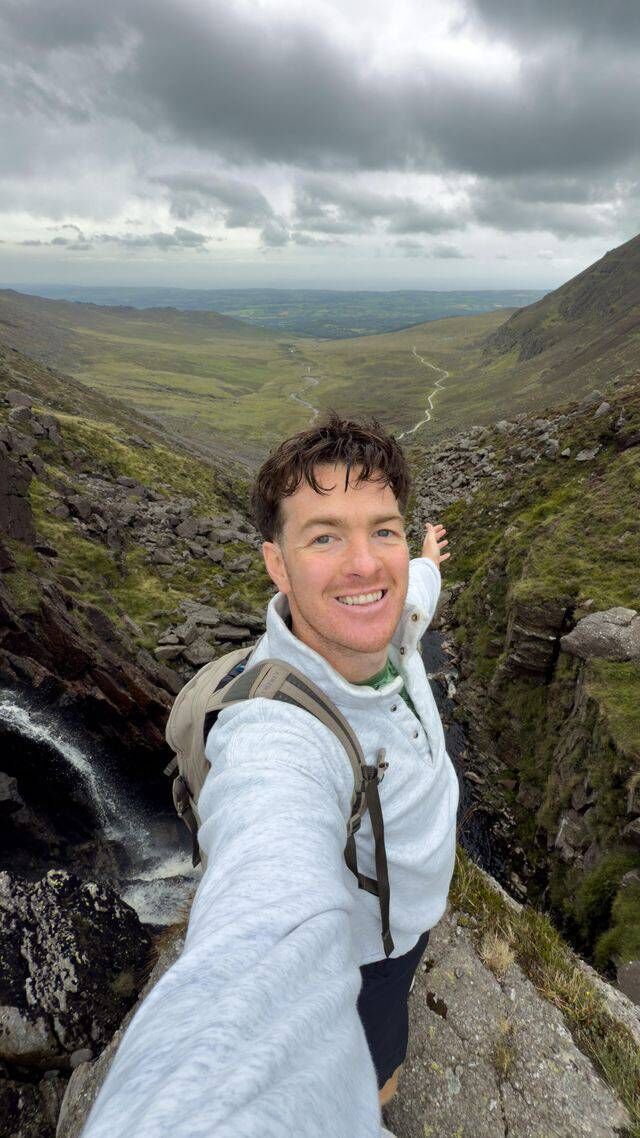
Over time, that silence becomes heavy. So heavy, in fact, that at one point, I stepped away from GAA altogether.
From the outside, it probably looked like burnout or loss of motivation. But the truth is, I couldn’t keep showing up only as half of myself. Carrying that weight followed me onto the pitch. It dulled my focus, drained my confidence and slowly chipped away at my performance.
I wasn’t fully present and mistakes started to define me in ways they never did before. Not because I stopped caring, but because caring while hiding who you are is exhausting. brought me straight back to that time. The loneliness of feeling like the thing that once gave you purpose is also the place where you feel least safe being yourself.
When I shared my post about the show on Instagram, I wasn’t expecting the response it got. I didn’t think it would resonate the way it did. But the messages, comments, and conversations that followed made one thing clear: this wasn’t just my story.
People from all walks of life reached out. Not just gay men. Not just athletes. But anyone who had ever hidden a part of themselves to fit in. People who had chosen silence because it felt safer than honesty. People who saw themselves reflected not in the plot, but in the feeling.
That’s why representation like this matters. Not because it’s “groundbreaking” or “brave”, but because it gives people language for things they’ve felt their entire lives. It tells you that you’re not alone. That you’re not weak for struggling. That the problem was never who you are, but the environments that made you feel like you had to disappear.
I often think about what it might have meant to see a story like this when I was younger. Not necessarily to come out sooner, but to know that I wasn’t alone. That other people felt it too. That there was a future where sport and authenticity didn’t have to be opposites.
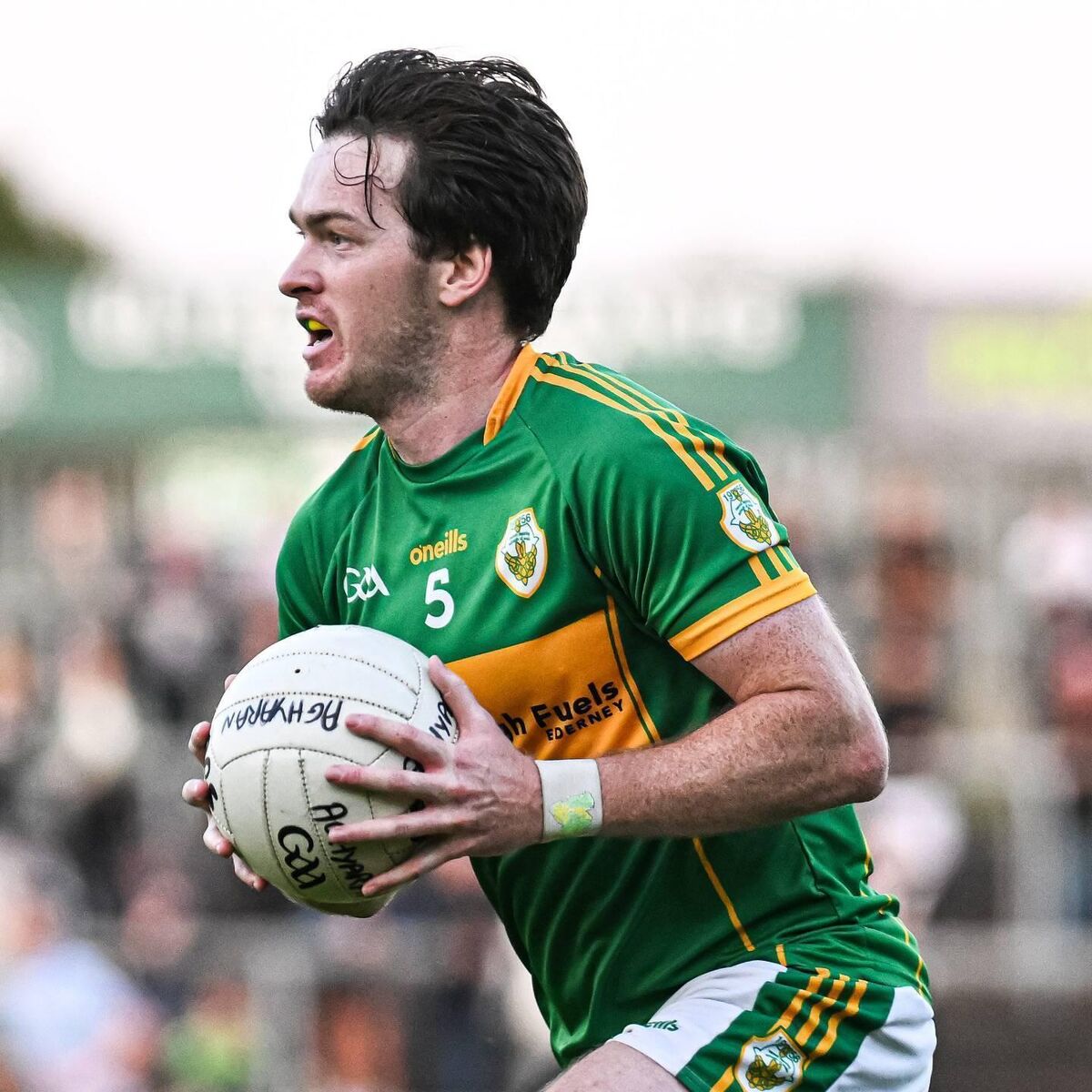
Today, I’m back playing. I’m out. I’m still learning. Still finding confidence in spaces that once made me shrink but now these spaces are those that I feel most comfortable and thrive in. While things in sport are improving, the silence still exists. And this, more than anything, is what keeps people hiding.
didn’t change my life. But it reminded me of something important: that stories have power. They can open conversations. They can offer relief. They can make someone feel seen for the first time.
And if sharing my own story does that for even one person, especially a young lad in sport who feels like he’s carrying this alone, then it’s worth it.
Because this was never just a TV show about two hockey players. It was about finally feeling understood.
- Kevin Penrose is a content creator and plays football with his club Aghyaran in Tyrone.
CONNECT WITH US TODAY



Be the first to know the latest news and updates