Help from clergy changed lives of many students from most deprived areas
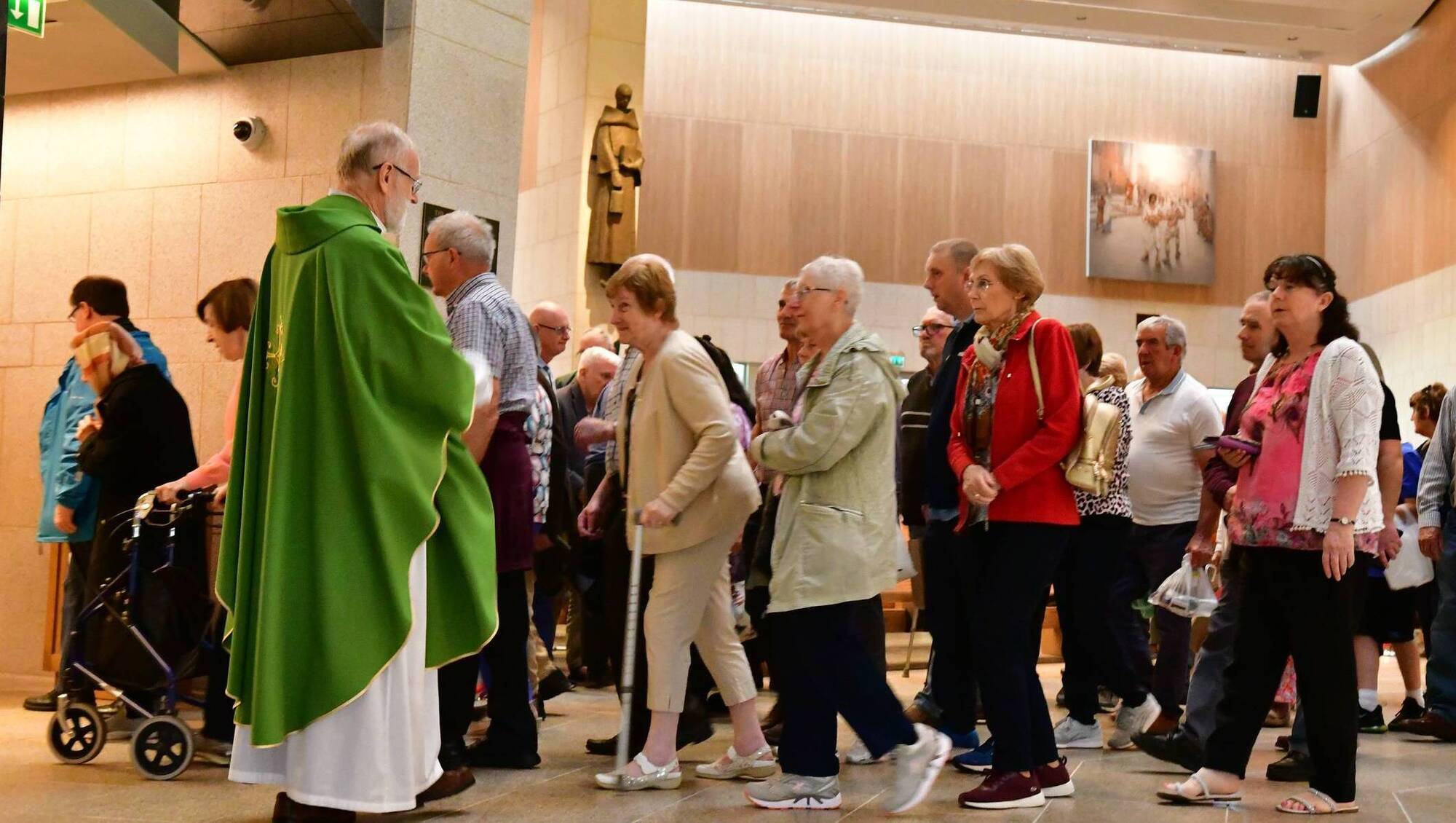
When we talk about social mobility, we often focus on government programmes, educational policy, or perhaps a stroke of luck. But in the heart of these estates, communities long defined by structural disadvantage and stigma, a quieter, more personal force was often at work: the local clergy.
Growing up in poverty and experiencing social exclusion within marginalised communities can significantly hinder educational and professional success.
My place of origin is Ballinacurra Weston, an estate on the southside of Limerick City, long associated with poverty, crime, and deprivation. Making positive choices in a neighbourhood like Weston is never easy, often bringing ridicule and ostracisation.
That’s why you remember the people who made choosing the right path easier. Escaping poverty is complex and hard to define. As the first in my family to complete a Leaving Certificate and progress to third level, I often wondered: why did I choose this path when so many around me opted for very different life choices? That question inspired my PhD research into the circumstances that motivate individuals toward positive decisions.
My study explored the push and pull factors in social class mobility from Limerick City’s Regeneration estates of Ballinacurra Weston, Moyross, Southill, and St Mary’s Park and their surrounds, by interviewing residents who achieved educational and professional success despite significant obstacles.
The findings revealed the most positive influences came from strong community figures who supported and guided participants toward relevant opportunities.
When we talk about social mobility, we often focus on government programmes, educational policy, or perhaps a stroke of luck. But in the heart of these estates, communities long defined by structural disadvantage and stigma, a quieter, more personal force was often at work: the local clergy.
My parish priest once came to my house and conducted aptitude tests to help me identify a suitable college course, guiding me toward my degree choice.
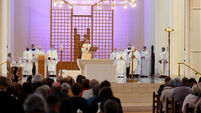
Across the study, a distinct narrative emerged: clergy members provided support far beyond the pulpit. Twelve participants were interviewed in depth, and over half recalled how priests and nuns acted as brokers of opportunity for themselves and their families.
Their efforts included securing school places for children, funding college fees, and facilitating youth clubs and programmes that offered both safety and aspiration.
In many cases, this community-based advocacy served as a practical bridge between marginalised environments and improved social outcomes. These stories remind us that while structural reforms and policy matter, human relationships and local leadership often make the difference between staying trapped in disadvantage and finding a way out.
One participant recalls a pivotal moment when a member of the clergy helped her access a school outside her immediate neighbourhood. As she was an extremely quiet child, the local principal had advised her mother to seek a school elsewhere to avoid the risk of targeted bullying.
In the 1980s, this was a difficult decision made harder by a lack of formal support for such a move. However, she recalls how the clergy stepped in: "The church used their connections to secure a place for me in a school in a more affluent area", she says.
"I was the only child in the class from my neighbourhood, and it placed me in an environment where the expectations for my future were different."
This intervention was about more than physical safety; it provided what economist Raj Chetty calls "opportunity exposure". By facilitating a move out of a marginalised setting, the clergy placed her in an environment where expectations were higher and social circles were more diverse; factors Chetty argues significantly increase a child's chances of long-term success.
His experience is an example of "capital conversion", where a targeted financial resource is transformed into a professional qualification and, ultimately, economic security.
Not all help was financial. For many, the clergy provided the "social glue" that held childhoods together. Participants recalled summers that "didn't exist" without day trips, play schemes, and dance clubs run by local religious orders.
These activities were far more than a way to pass the time; they functioned as essential training grounds for the interpersonal skills and self-assurance necessary for navigating the wider world. For many participants, these clubs provided the social foundation that is often a given in more privileged childhoods.
Beyond skill-building, the programmes offered a much-needed structure during the summer months. By providing a safe, supervised space, they acted as an outlet during long holidays, reducing the risk of young people being drawn into anti-social behaviour due to a lack of local opportunities.
Beyond the activities, there was the impact of mentorship. One participant recalled how a local nun became an important mentor in her life: "She's a saint, she so embraced me and got me involved in the whole aspect of community life. And she gave me tasks to do and rewarded me for those tasks. You know what I mean, just so encouraging."
This sense of being valued is what researchers call "agency", the belief you can shape your own life. In communities where residents often felt invisible or judged, the clergy were often the ones who provided the spark of self-belief necessary to break the cycle of poverty.
Ireland often views itself as a meritocratic society, yet children born into disadvantage still face steep odds. While government schemes are frequently launched and rebranded, the role of community-embedded actors, specifically faith-based ones, rarely makes headlines.
As the Department of Education’s patronage survey seeks to broaden educational choice, it highlights a tension: currently, 95% of primary schools remain under religious patronage despite a growing demand for diversity. However, these grassroots experiences remind us that faith-based institutions have remained a consistent social force, often filling the gap where systemic supports are inconsistent.
While the diversification of school patronage is a necessary goal for a modern society, we must not overlook the positive community functions clergy have undertaken for decades: walking alongside vulnerable children, offering micro-supports, and fostering aspirational goals.
My findings suggest the contribution of the clergy extended far beyond the church grounds. In areas with limited institutional resources, they served as vital links and advocates for families navigating difficult circumstances. This legacy does not negate valid concerns regarding inclusion or pluralism, but it does demand a more nuanced conversation.
In an era focused on large-scale policy levers, it is worth remembering the "human" levers: the mentors and brokers who changed lives one student at a time. Whatever the future of school patronage looks like, the challenge for policymakers will be how to preserve that spirit of community mentorship and the vital safety net it once provided.
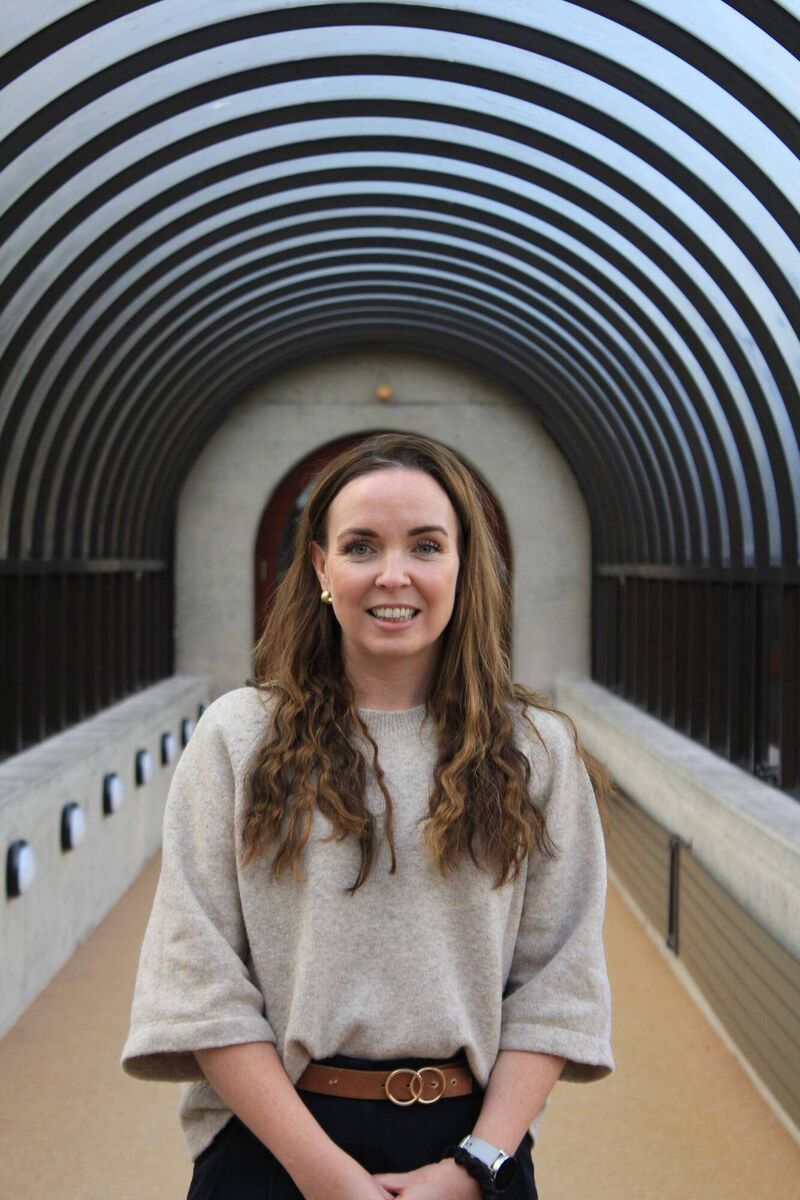
- Helen Lowe is a researcher and teacher at UL's School of Education
Read More

CONNECT WITH US TODAY



Be the first to know the latest news and updates