John Lonergan: How older people can keep their spirits up this winter
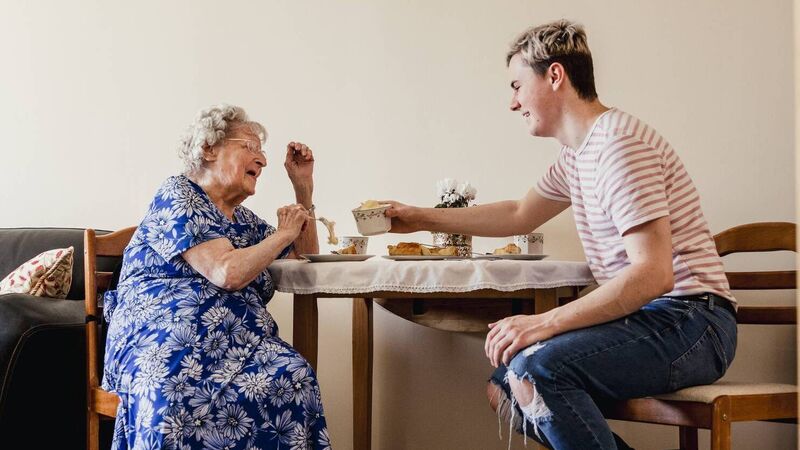
Older people can take plenty of simple life-enhancing measures themselves — from ensuring they get a bit of daylight to using their local library — but relations, friends, and neighbours can contribute to their wellbeing too. Picture: iStock
Winter brings crisp mornings, festive spirit, and a chance for communities to share their support for one another.
While the season naturally brings challenging weather, it also offers opportunities for moments of connection that can make a real difference to older people’s wellbeing.
For many older people, winter requires a little extra planning and support, especially when mobility, transport, or health conditions can make daily routines difficult.
Yet, with the right community spirit and simple acts of kindness, such as checking in, offering a lift, or sharing a chat, it’s possible to ease pressures and help older people stay active and connected.
Ireland’s winter days are short, but even small amounts of daylight have a powerful effect on mood and motivation. Maintaining a regular daily routine during winter can help regulate sleep, support mood, and create a sense of stability when daylight is limited.
Small habits like a short walk outdoors and having bright light indoors can bring energy and structure to your day.
Social connection is a powerful antidote to winter isolation. Numerous studies show that strong community ties act as a protective factor against mental health difficulties. Belonging to a group, chatting with neighbours, or simply feeling recognised within a community can significantly improve mood, reduce anxiety, and build resilience.

For many older people, these relationships provide structure, purpose, and meaning — essential elements of positive mental health. For those who live alone or in rural areas, these gestures can be especially impactful.
It is important to remember that community connection does not always require formal intervention.
While professional supports such as mental health services, befriending programmes, and local charities play vital roles, everyday interactions like chats, check-ins, and shared experiences often make the biggest difference.
Supporting older people does not need to be complicated, time-consuming, or indeed formal. Small gestures can have a meaningful impact.
Here are some practical ways families, neighbours, and communities can help.
A quick phone call, text message — or, better still, a knock on the door — can break up long periods of loneliness and remind someone that they are remembered and valued.
Winter travel can be daunting for older people. Offering a lift to the GP, local shop, or community event, or accompanying them on public transport, can remove a major barrier to social participation.
Opening curtains, ensuring adequate indoor lighting, or going for short walks during daylight hours can help lift mood. Exposure to natural light, even in small amounts, combats the effects of seasonal darkness.
For those comfortable with technology, setting up Whatsapp, video calls, or community-group notifications can help older adults maintain social contact.
A brief tutorial can open new social doors and communication channels.
Men’s Sheds, art groups, knitting circles, book clubs, exercise, or yoga classes can provide routine and often lead to new and meaningful relationships within the community.
Offering to accompany someone to their first session can help ease their nerves and build their self-confidence.
The Age Friendly Library Recognition Programme supports libraries to examine their facilities and services and to listen to older customers.
Libraries are a core service within our neighbourhoods, providing access to information, cultural services, digital opportunities, and social support to all age groups.
They are particularly invaluable to older people as a source of information, community hubs, learning centres, and cultural facilities.
Another great group to join is a local Older People’s Council, which is in every local authority area of Ireland under the local Age Friendly Programme and is a vehicle to bring the voice of older people into local government and help to inform private and public service provision.
This is a great way to support the exchange of good age-friendly practices, such as initiatives for older people in the winter, and models of excellence that can be replicated.
Eating alone can intensify feelings of loneliness. Inviting an older neighbour for a meal such as Sunday dinner, offers warmth, companionship, and a sense of inclusion.
For those worried about heating costs, information on supports such as the fuel allowance, SEAI grants, or local authority assistance is available through Citizens Information on 0818 076 950.
A warm home helps to ease anxiety and supports physical comfort and mental well-being.
I’d also encourage older people to look into the free Healthy Age Friendly Homes Programme if they need it, which aims to support older people (aged 65 and over) to live in their own home with dignity and independence, for as long as possible.
The programme’s ambition is to enable everyone to live longer healthier lives by keeping care close to home and expanding the range of health and social care services in the community. You can call 046 9248899 for more details.
If someone becomes unusually withdrawn, forgetful, or distressed, gently reach out and encourage them to speak with their GP or a local support organisation.
Early action can prevent difficulties from escalating.
Winter will always bring challenges, but its psychological effects are not inevitable. When communities recognise the pressures facing older people and respond with small, consistent acts of care, the season becomes far easier to navigate.
Ultimately, mental wellbeing is supported in simple ways — a familiar face, a shared conversation, and a sense of belonging. In a world that often moves too fast, social connection remains one of the most powerful tools we have, especially during the darkest months of the year.
To find out what activities are available in your local area, or to join your local Older People’s Council, please get in touch with your local authority.
- John Lonergan, a native of Bansha, Co Tipperary, worked in the Irish Prison Service for over 42 years. He was governor of Mountjoy Prison for over 22 years and governor of the top security prison at Portlaoise for almost four years. He is the Age Friendly Ireland ambassador for Tipperary.