Why modern thermal power is key to Ireland’s renewable future
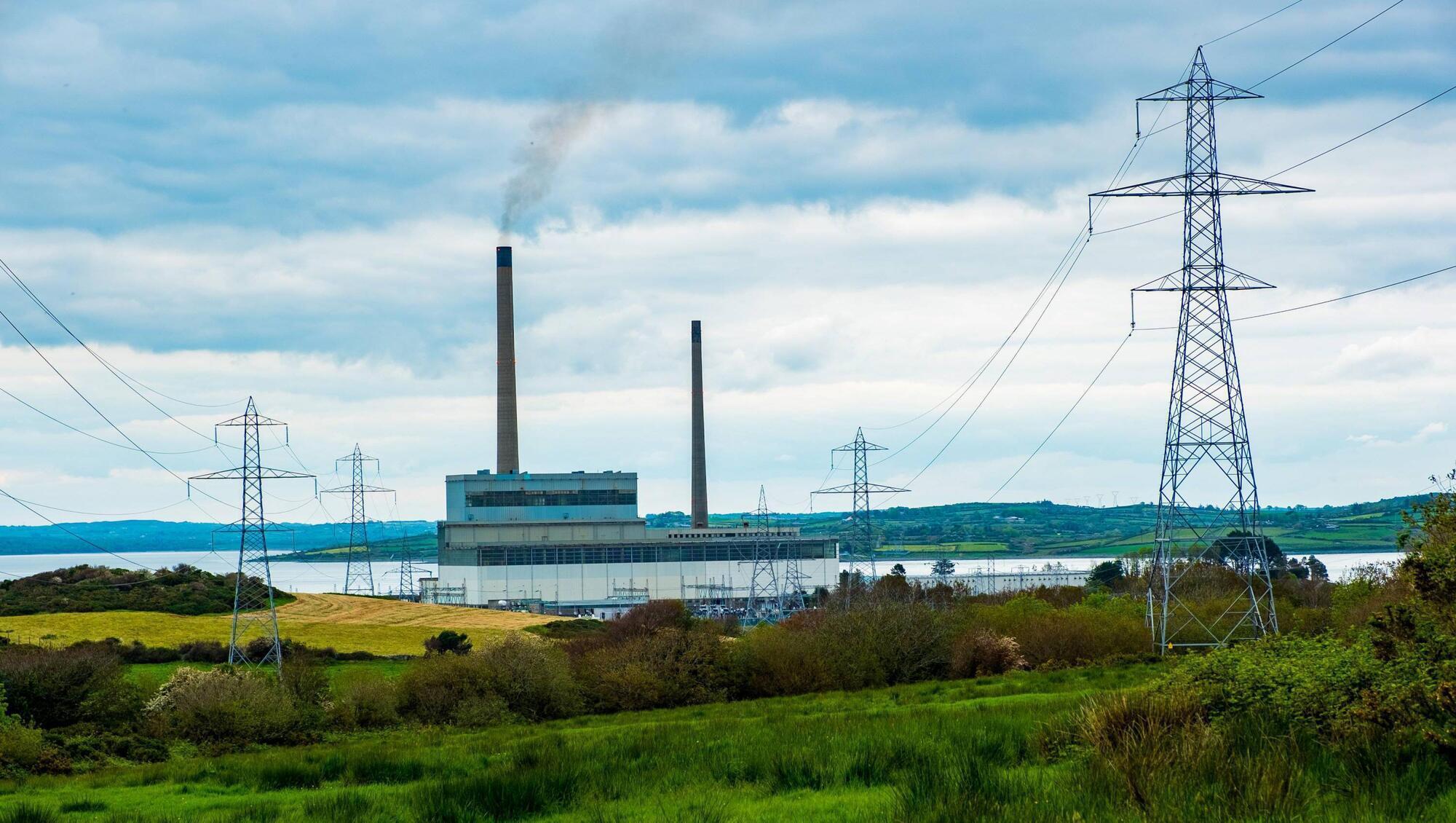
SSE's site in Tarbert, Co Kerry.
The world’s wind and solar farms have generated more electricity than coal plants for the first time this year, marking a turning point for the global power system. With Ireland’s last coal-fired power station closing this past summer, the country is firmly part of that momentum.
This milestone is significant, but it’s not the finish line. It marks a turning point that calls for fresh thinking about how we generate power.
In the first eight months of 2025, wind energy supplied 31% of Ireland’s electricity demand, a clear indicator of progress and the growing influence of renewables. That represents a notable increase from 2015, when wind met only 22% of demand.
SSE has been a key contributor to Ireland’s shift toward renewables, building a strong onshore wind portfolio and advancing plans for offshore development. But as Ireland integrates more renewables, the need for new flexible, reliable power also becomes increasingly urgent.
A renewable-led system cannot stand alone. It must be supported by other power generation technologies that can respond quickly, operate efficiently, and complement intermittent sources.
The Climate Action Plan sets out a clear roadmap for this transition. It recognises the delivery and integration of onshore and offshore wind and solar as the most effective mitigation measures to reduce emissions at scale and speed. But it also notes this must be matched by the delivery of at least 2GW of new flexible gas-fired generation. Without it, Ireland risks undermining the very progress it has made.

Tarbert Next Generation Power Station is a strong example of how these new assets can be innovative, and offer a path to decarbonisation. Located on the site of a former oil-fired station in North Kerry, it represents continuity and change: retaining the value of existing infrastructure while preparing for a lower-carbon future.
Construction has recently begun on the new up to €300m ‘peaker’ plant, which will deliver 300MW of fast-responding capacity when the system needs it. It will be powered by hydrotreated vegetable oil (HVO), a sustainable biofuel sourced from 100% waste feedstocks and compliant with EU sustainability standards.
Tarbert is not just a strategic energy investment, it’s a local story of transformation that supports national climate ambition. For decades, Tarbert Island has been synonymous with power generation and local expertise, playing a vital role in Ireland’s progress since the original power station was developed in the 1960s to meet rising electricity demand during the Rural Electrification Programme.
The site’s location and unique history make it an ideal location for a trailblazing project that supports a just energy transition.
This is a first-of-a-kind project in Ireland. It is designed to meet today’s system needs while being future-proofed for tomorrow, with the potential to convert to hydrogen when the right infrastructure and policy frameworks are in place. We stand ready to work with the Government and industry partners to make this vision a reality.
The Accelerating Infrastructure Taskforce report published earlier this month is a welcome signal that Government recognises the urgency of delivering projects that underpin energy security and decarbonisation.
This report offers a roadmap to overcome those barriers, setting out 30 headline actions that will be implemented over the coming years. The ambitious recommendations span necessary legal reform, regulatory simplification, improved coordination and fostering public acceptance.
If implemented effectively, these measures could enable Ireland to move faster on policies and projects that will help integrate emerging technologies, such as hydrogen, into the grid.
Now the direction of travel has been made clear, and the specifics of the plan have been detailed, the challenge is delivering it at pace. The vast majority of the actions detailed in the report are targeted for completion in 2026, leaving little room for delay or complacency.
Ireland’s climate targets and energy security depend on timely decisions and coordinated action across Government, industry and communities.
For companies like SSE, that clarity and speed are essential to unlock the investment needed to drive this sort of progress. By enabling innovation and removing barriers, Ireland can ensure projects like Tarbert Next Generation Station are not rare exceptions, but rather the beginning of a new era in innovative energy infrastructure.
To achieve its goals, Ireland must take an “and/and” approach, delivering renewables alongside modern, lower-carbon flexible generation. Without this balance, the system will fall back on its least efficient, highest-emission plants during calm, cloudy periods.
Ultimately, Ireland needs a power system that is reliable, sustainable, and ready for future demand. One that ensures our energy security, delivers on climate action promises, and supports continued economic growth.
- Finlay McCutcheon is managing director of SSE Thermal