Catherine Conlon: Government's mixed messages on kids' social media are muddying the water
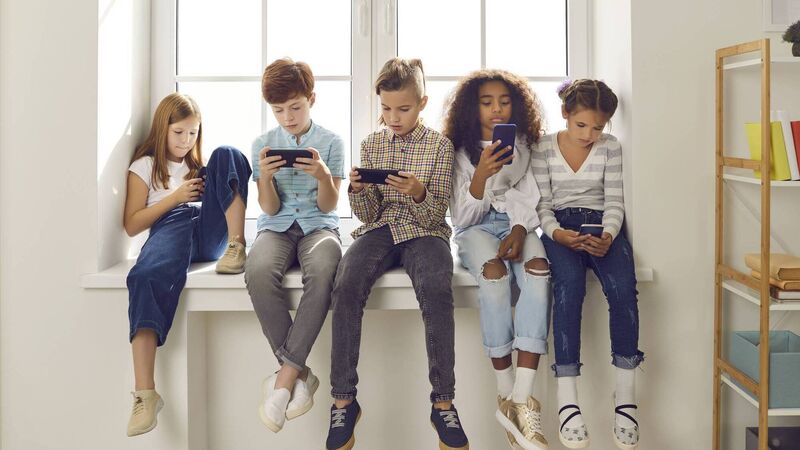
The social media free-for-all is over. It is time for kids to regain their independence and their mental wellbeing
Catherine Conlon: Government's mixed messages on kids' social media are muddying the water

How much more of this evidence of poor mental health, exposure to grooming, bullying, violence, pornography and addictive algorithms do we need before young teens are protected from harmful content on social media?

Why pull out all the stops to verify a child’s legal age if this is not going to be followed up with minimum age legislation?

December 10 has finally arrived. Australia has spent the last 12 months preparing for this day when major online platforms including tech giants Meta, Instagram, Threads, Tiktok and YouTube must block under 16s from accessing content.

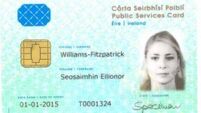
Meanwhile, Ireland is said to be ā€œvery close to launching a new digital wallet to verify the age and identity of social media users that will be tested under a new pilot scheme within the next four months.ā€Ā 

Communications minister Patrick O’Donovan has briefed Cabinet on plans to link online age verification to a Government ID, because of the ā€œregrettablyā€ slow pace of internet child protection measures at EU level.

Strong enthusiasm is reported at most senior levels of Government for more restrictions on social media use. At the same time, it is reported senior figures stopped short of backing an outright ban, similar to measures being introduced in Australia on Wednesday.

This mixed messaging is muddying the waters on something that needs to be crystal clear if it is going to be successful. Mr O’Donovan said the ban was ā€œone of the things we are holding in reserveā€, while Taoiseach MicheĆ”l Martin said recently there needed to be ā€œmore debate on whether blanket bans are the way to goā€.Ā 

I am mystified by this approach. Why pull out all the stops to verify a child’s legal age if this is not going to be followed up with minimum age legislation?

Either we develop a system to verify a child’s legal age and implement a ban on social media for children under that legal age or we don’t.

Doing one without the other is a waste of time and will not fix the massive problem that is children’s and young teens exposure to grooming, bullying, violence, pornography and addictive algorithms that diminishes their self-esteem and destroys their mental health.

Yet the Government has committed to making child online safety a key theme of its presidency of the council of the EU in 2026. A complicating factor is that political leaders expect a predictable backlash from large tech companies, many of which base their European headquarters in Ireland.

New research has revealed the reality of growing up as a teenager in Ireland. Almost one-in-five 15 to 16-year-olds have to cope with an explicit image of them shared without their consent, while the growth of sexting is leading to poorer mental health and increased risk of self-harm.

Teenage girls in particular are found to be severely impacted by high social media use and body dissatisfaction, according to a study from the RCSI University of Medicine and Health Sciences.

More than 4,000 teenagers across Ireland, most of them aged 15-16, were surveyed. The researchers highlighted how the sending of sexually explicit images and experiencing non-consensual sharing of such images is particularly damaging and can lead to self-harm, particularly among girls.

Teenagers who spend more than four days a week on social media were significantly more likely to report symptoms of poor mental health. The research was published in the Irish Journal of Psychological Medicine.

How much more of this evidence of poor mental health, exposure to grooming, bullying, violence, pornography and addictive algorithms do we need before young teens are protected from harmful content on social media?

As Ireland continues to consider its position on banning access to social media to under 16s, other countries are laying down the groundwork to institute a youth social media ban.

Companies face fines of Aus$49.5m (€28m) if they fail to take ā€œreasonable stepsā€ to comply.

Meanwhile, Europe has just signalled the end of the digital free-for-all for children. The European Parliament just voted to support a 16+ age limit for social media, video sharing platforms and AI companionship tools. It is non-binding, but the scale of the vote means the message is loud and clear.

MEPs cited research showing one in four minors displays addiction-like symptoms linked to smartphones. They pointed to infinite scroll, autoplay, reward loops, deepfakes, nudify apps and influencer marketing aimed at children.

Their conclusion did not pull any punches. Tech companies have run an uncontrolled experiment on Europe’s youth for more than a decade.

Vice-president of the European Parliament, Christel Schaldemose, led the call for a higher digital age of consent.

ā€œYour services are not designed for children. And the experiment ends here.ā€Ā 

Catherine Conlon 'The digital rights of the child must be balanced by children’s rights to a secure and protected childhood, with the facility to mature into independent, resilient, well-adjusted adults.' Picture: Brian Lougheed

The parliament wants strict age-verification tools, privacy preserving digital IDs and an EU-wide baseline: no access under 16, with explicit parental consent required for 13- to 16-year-olds. It also wants bans on the most addictive design machines and strong action against AI-generated sexual imagery, loot boxes and child influencer exploitation.

This trend is not just occurring in the European Union and Australia. Switzerland is preparing similar measures. India, Indonesia, Pakistan and Kenya are considering the same measures. Malaysia indicated it was planning to block children under 16 from signing up to social media accounts next year, while New Zealand will introduce a similar plan.

Ireland is considering its position, a spokesperson for the Department of Communications has said.

ā€œIreland is of the view that it would be preferable for any decisions to be taken by the EU and EU member states together, and that we should have regard to the rights of children and young people,ā€ the spokesperson said.

But the digital rights of the child must be balanced by children’s rights to a secure and protected childhood, with the facility to mature into independent, resilient, well-adjusted adults.

In November, Taoiseach MicheĆ”l Martin said the Government wouldĀ  adopt an ā€œevidence-based approachā€ to control the impact of social media on young people and would not react in a ā€œknee-jerkā€ fashion to bans being imposed in other countries.

In the meantime, Australia’s bold move is being watched closely to see if those sweeping restrictions can work and act as a template for a global move to protect children and young teens from the perils of unrestricted access to social media.

The goal is not to get rid of the digital world but to teach kids how to thrive beyond it. A digital wallet that has the capacity to confirm children’s age and restrict under 16s from access to social media has the potential to transform how children and young teens relate to each other, protect them from harmful online content, reboot their independence and restore their mental health.

One thing is becoming very clear. The social media free-for-all is over. It is way over time for kids to regain their independence and have mental wellbeing restored.

Government policy needs to support that by ensuring phone-free sleep, and protection from online harm aligned with protected active travel and community supports that facilitate time spent together without social media.

  • Dr Catherine Conlon is a public health doctor with the HSE in Cork

x

More in this section

Revoiced

Newsletter

Sign up to the best reads of the week from irishexaminer.com selected just for you.

Cookie Policy Privacy Policy Brand Safety FAQ Help Contact Us Terms and Conditions

Ā© Examiner Echo Group Limited