Teacher burnout crisis deepens as parents demand constant contact and extra work — study
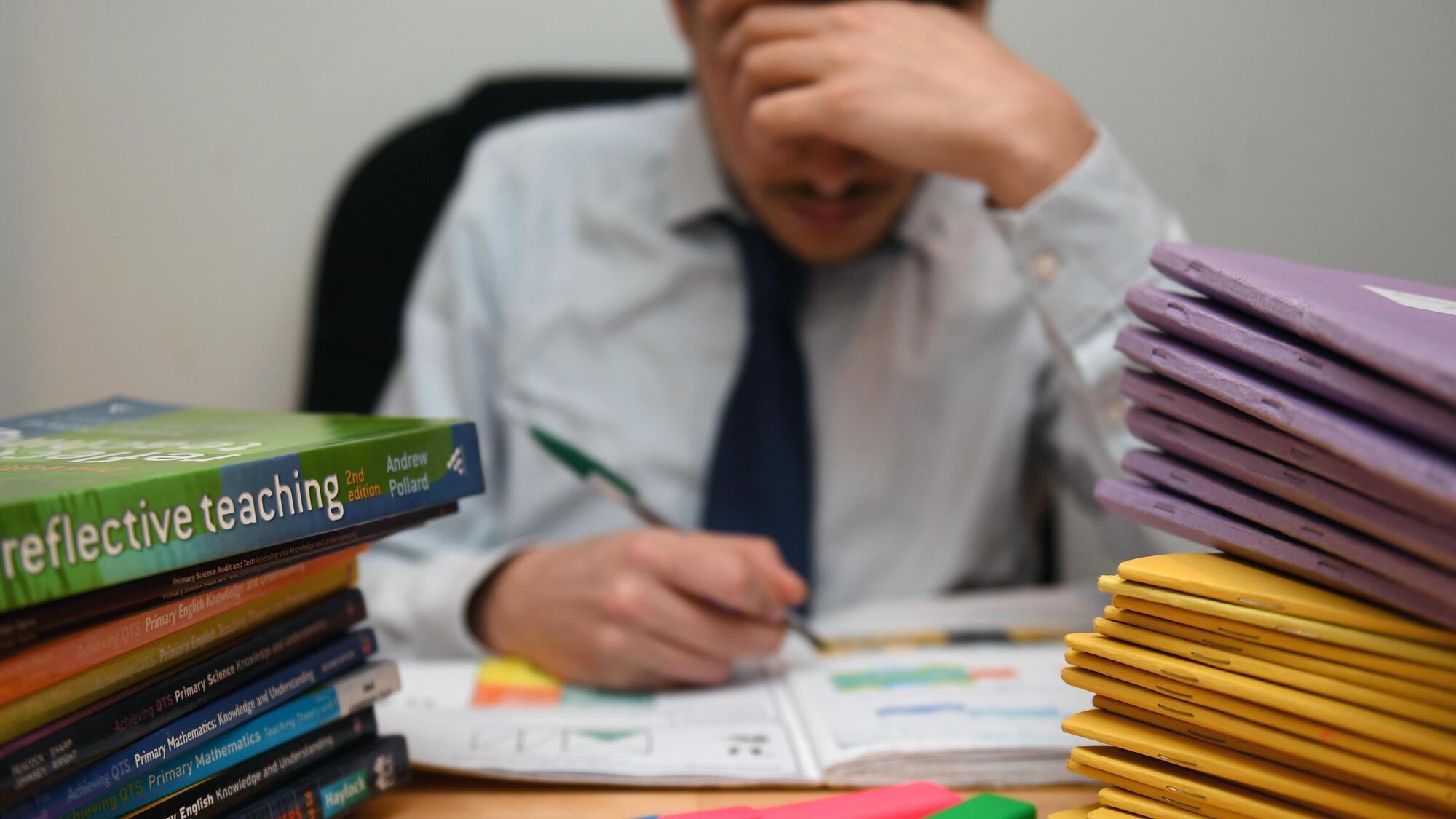
The new data follows findings released earlier this year that showed 86% of teachers reported moderate to high levels of personal burnout, while a similar number (85%) reported experiencing moderate to high levels of work-related burnout. File photo
Almost half of teachers who experienced burnout listed unrealistic expectations from parents among the aggravating factors that led to their condition.
Dublin City University's Centre for Collaborative Research Across Teacher Education (CREATE) surveyed more than 1,000 teachers for its Teacher Occupational Wellbeing project, with 85% of participants reporting moderate to high work-related burnout.
Factors that contributed to burnout included the expectation that teachers remain contactable outside of school hours. Requests from parents for additional notes and resources from class teachers added to existing stress.
The report also mentions disagreements relating to assessments or feedback of a child’s performance. More extreme cases alluded to interactions with parents who were verbally abusive or aggressive.
One teacher described the ongoing struggles for teachers.
“I've been in schools where it's incredibly academic and the parents are emailing you at 2am and demanding you prepare extra notes for their child, or free grinds," the respondent said.
Another participant emphasised the need for teachers to be supported. “Teachers are so unprotected in today's society. If you walk into a doctor's office, you will see signs about how abuse of staff will not be tolerated.
"We have now become the parents and are expected to fix everything: 'My child is struggling, what are you doing about it?' With the way things are going and the lack of acknowledgement towards the work of teachers, we will continue to face a staffing crisis."
The new data follows findings released earlier this year that showed 86% of teachers reported moderate to high levels of personal burnout, while a similar number (85%) reported experiencing moderate to high levels of work-related burnout.
The research involved a survey of over 1,000 teachers and was carried out by Dr Sabrina Fitzsimons, Dr Pia O’Farrell and Professor Catherine Furlong at DCU’s Centre for Collaborative Research Across Teacher Education (CREATE).
Meanwhile, 46% of teachers who participated in the study felt that challenges associated with supporting children with special educational needs have also contributed to burnout.
Commenting on the findings surrounding special educational needs, Dr O’Farrell said: “The combination of under-resourcing, staff shortages, and the difficulty and delays in accessing external services and supports creates a perfect storm, leaving teachers carrying not only overwhelming workloads but a profound emotional strain as they try to meet the needs of children who deserve far more than the system currently provides."
For example, one teacher spoke about “the vast number of children with additional needs and the limited resources (personnel and physical) that we have to meet these".
CONNECT WITH US TODAY



Be the first to know the latest news and updates