Ireland must decide how it will help protect Europe
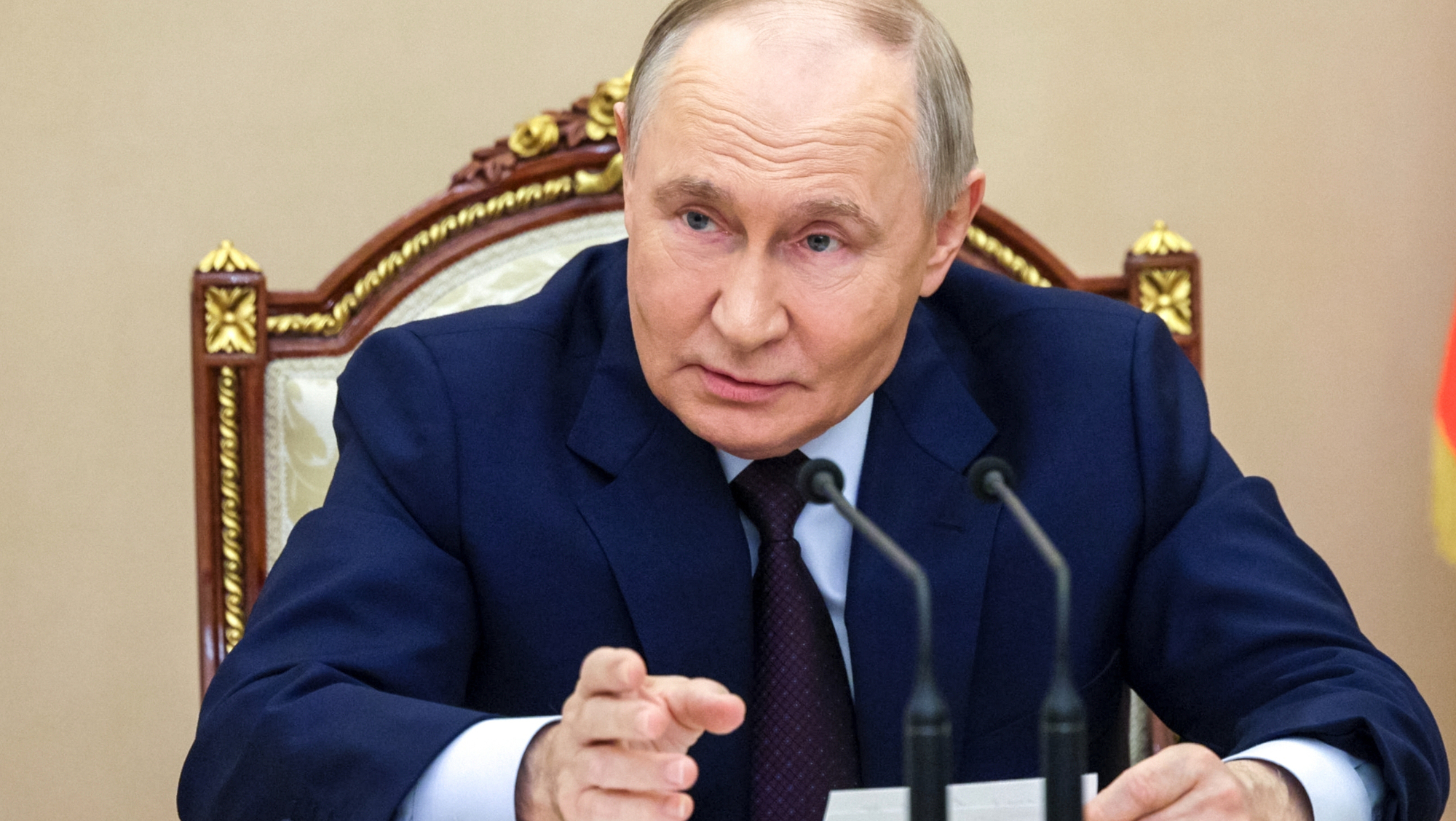
Russian President Vladimir Putin: The threats we face in Europe are no longer theoretical. Russian drones have been detected over more than 10 EU countries. Picture: Gavriil Grigorov, Sputnik, Kremlin Pool via AP
Born from the ashes of the Second World War, the European Union was built on the conviction that economic interdependence would preserve peace and prevent another devastating conflict on the continent.
Yet while this interdependence has ensured war has never again erupted between member states, it did not prevent war in Europe itself. The conflict in Yugoslavia in the 1990s, Russia’s invasion of Georgia in 2008, the annexation of Crimea in 2014 and now nearly four years on, Moscow’s military assault on Ukraine, has exposed the fragility of Europe’s post-war security order.
Lenin once said: “There are decades where nothing happens; and there are weeks where decades happen.” Europe is now living through such a moment.
The war in Ukraine has upended strategic assumptions and moved security and defence, long peripheral issues for many EU countries, to the centre of political life in Brussels.
Next year, Ireland will host the presidency of the Council of the European Union for the eighth time, with security and defence issues set to take centre stage. It also marks a decade since the UK voted to leave the EU.
Crucially, despite Brexit, the United Kingdom remains one of Europe’s largest military and intelligence powers. British capabilities in cyber defence, intelligence-gathering, naval operations and strategic airlift remain vital to the continent’s security architecture.
Given the recent improvement in relations, a more structured, predictable form of EU-UK security cooperation should be considered essential in the decades ahead. Ireland’s upcoming EU presidency offers a chance to shape the agenda and advance solutions like this.
As a shared island, with our geographic proximity and infrastructural vulnerabilities, this proposal is not an abstract diplomatic aspiration but a strategic necessity.
The threats we face in Europe are no longer theoretical. Russian drones have been detected over more than 10 EU countries, including Nato members Germany, France, Poland and Denmark.
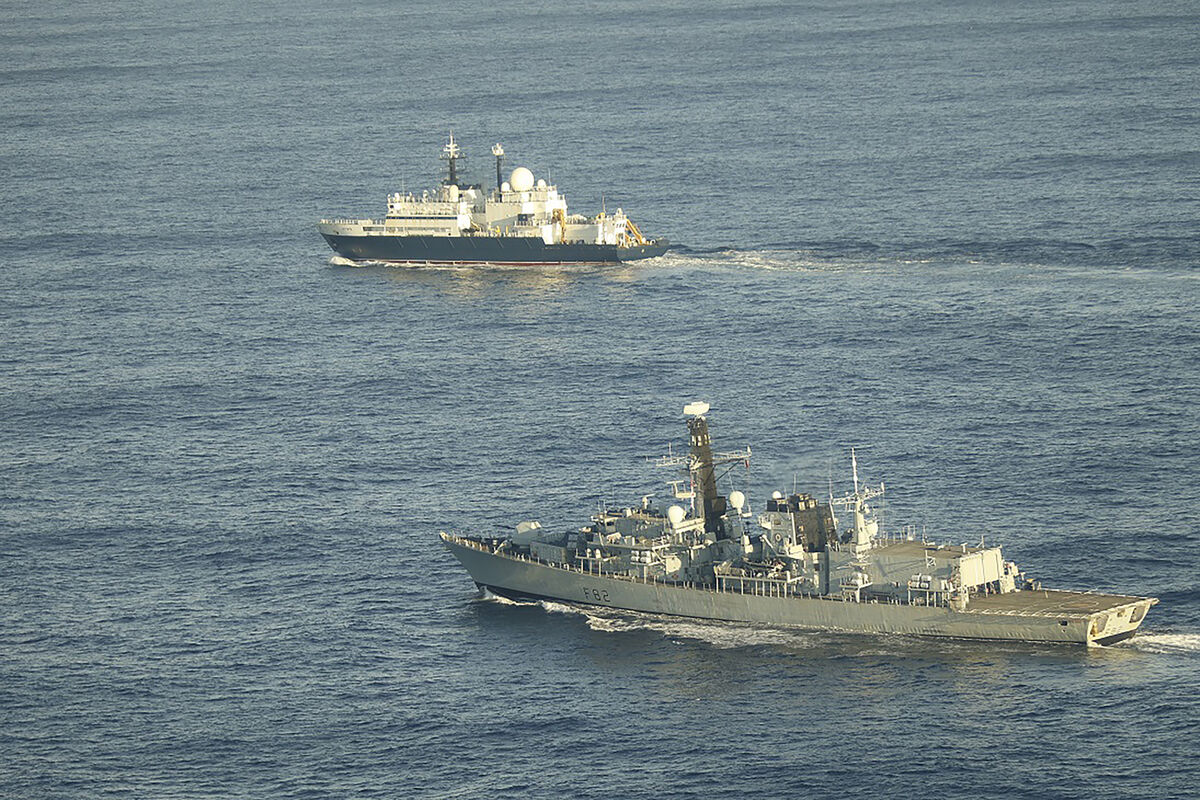
In our own waters, Russian naval vessels such as the Yantar, Admiral Golovko and Viktor Leonov have been observed operating around critical undersea cables.
Last week, the Yantar entered our neighbour’s waters in North Scotland and aimed lasers at RAF pilots, with the British defence secretary issuing a warning to Russia.
Back home, cyber experts, including Richard Browne of the National Cyber Security Centre, warned Ireland remained exposed to state-backed espionage and cyberattacks, as demonstrated by the devastating HSE attack.
These realities force us to confront a difficult question: how does a militarily neutral country protect itself in a rapidly deteriorating security environment? As a member of the EU, Ireland benefits enormously from the principle of solidarity. However, solidarity also carries responsibilities.
This year, Ireland is significantly increasing its defence spending, with a record €1.49bn allocated for 2026 and a €1.7bn capital investment plan for 2026-2030 under the National Development Plan.
The Government’s decision to increase defence spending is a welcome and overdue step. For decades, Ireland has lagged behind comparable member states, despite hosting critical digital, energy and data infrastructure of global significance. Increased investment must now be matched with strategic clarity and public engagement.
Here, Ireland’s democratic innovations offer real promise. Our citizens’ assemblies demonstrated their value in navigating complex, sensitive issues, from marriage equality to the repeal of the Eighth Amendment. They help build consensus not by avoiding difficult questions but by discussing them openly and respectfully.
A citizens’ assembly on security and defence would allow the public to shape recommendations grounded in evidence rather than sentiment, and to define what neutrality means in today’s world.
In 2023, then Tánaiste and minister for foreign Affairs and defence Micheál Martin’s Consultative Forum on International Security Policy was a step in the right direction and something we should build on.
Public opinion is not as resistant to such a conversation as some assume. European Movement Ireland’s most recent poll shows strong and sustained public support for EU membership, alongside rising concern about security threats and geopolitical instability.
In this year's European Movement Ireland's Island of Ireland EU Poll, 50% of respondents said Ireland should be part of increased EU defence and security cooperation.
However, of those who believe the EU is moving in the wrong direction, 24% cited militarisation as one of their top concerns at EU level. The Irish public understands Europe is changing, and we must be part of this conversation.
Europe has changed. The world has changed. Ireland must now decide how it adapts, not through fear, but through democratic dialogue, informed debate and strategic foresight. With Europe’s spotlight on us during Ireland’s EU presidency, we must be ready.
Twenty-one years ago, on May Day in 2004, at Áras an Uachtaráin, during an Irish EU presidency, 10 member states officially joined the EU in its biggest-ever enlargement. Many of their citizens had spent decades behind the Iron Curtain, enduring authoritarianism, economic hardship and curtailed freedoms. For them, the EU represented a harbinger of peace, prosperity and democratic renewal.
Today’s accession countries, Moldova, Ukraine, Georgia, and the Western Balkan states, among others, look to the European Union with similar conviction. They see in Europe not simply a market or a treaty system, but a path to a more secure, democratic, prosperous future.
As these nations move towards the EU in search of stability and freedom, Ireland must decide how it will help protect Europe. As our security, like theirs, will be shaped by the choices we make into the future.
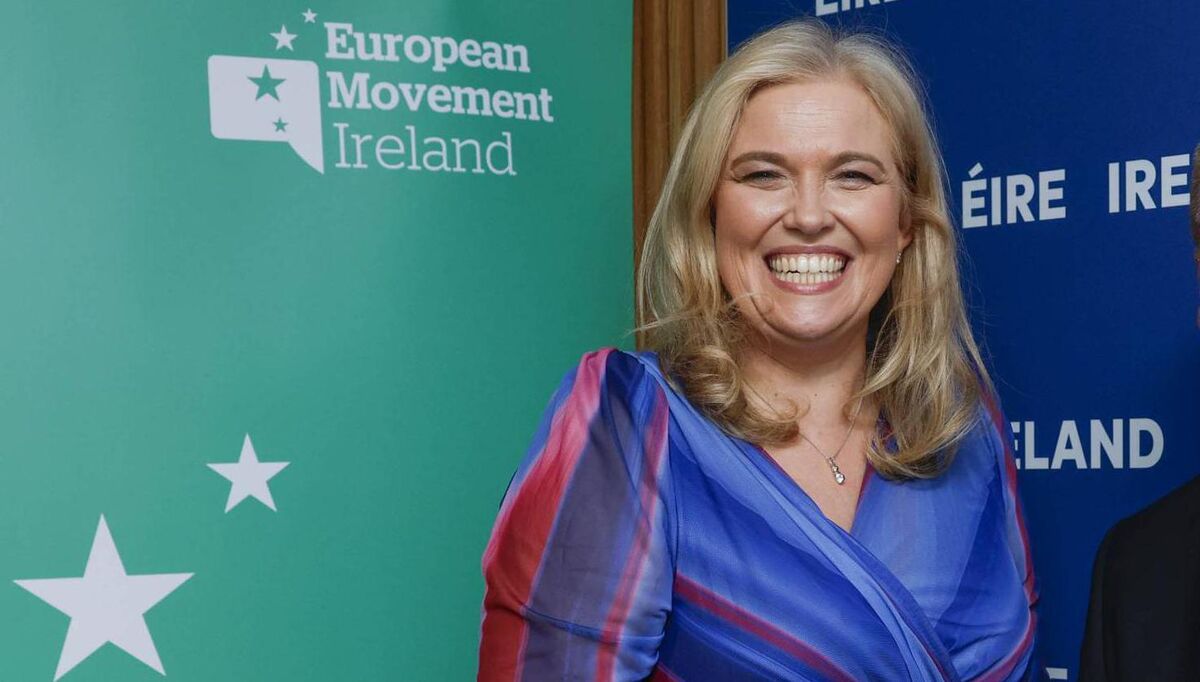
- Noelle O'Connell is chief executive of European Movement Ireland and a vice-president of European Movement International
CONNECT WITH US TODAY



Be the first to know the latest news and updates