Creating dangerously is a form of resistance against tyrants like Trump
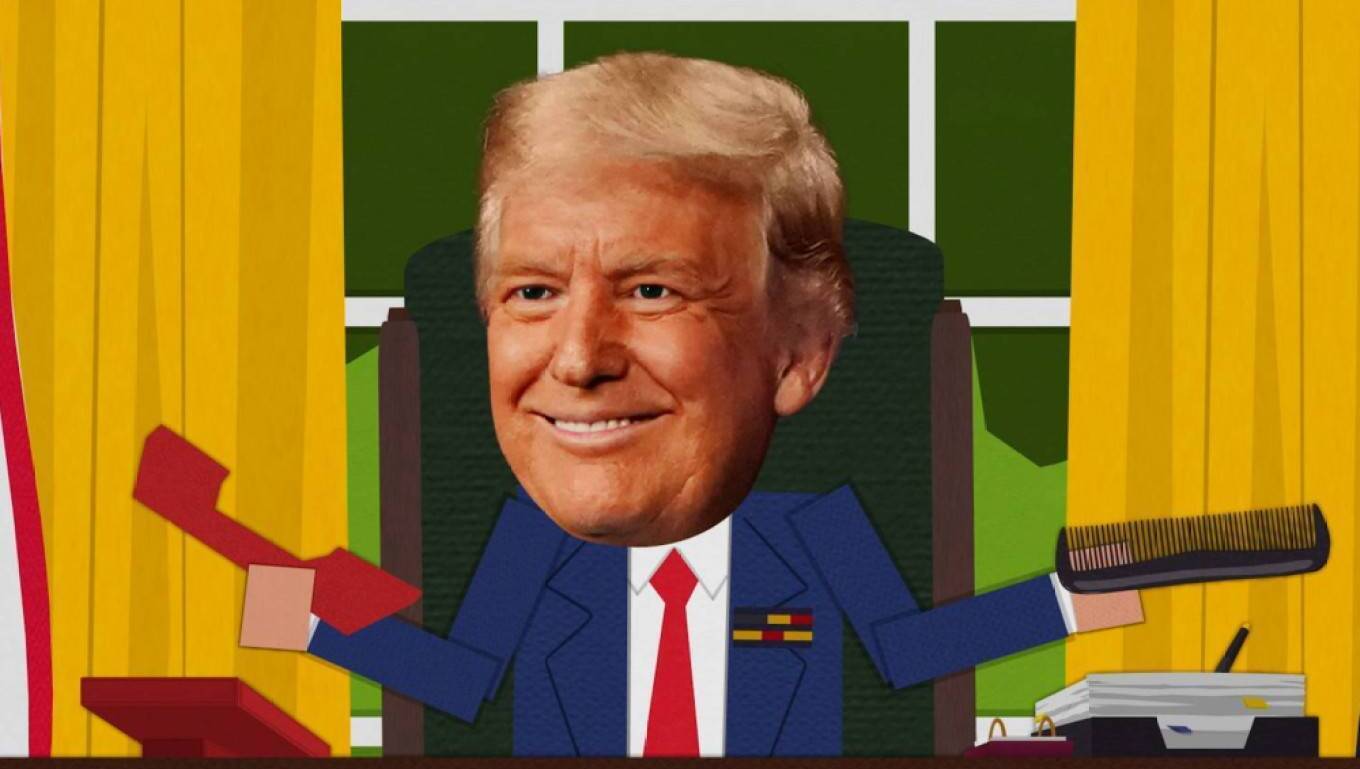
The creators of 'South Park' were deliberate when they chose to give Trump a tiny penis.

All art is political.
And at a time when the most fundamental civil freedoms are coming increasingly under attack by a relentless and culturally bankrupt American administration, it is more political than ever.
One thinks of the novelist Albert Camus, who in his seminal essay wrote: “Art … unites whereas tyranny separates. It is not surprising, therefore, that art should be the enemy marked out by every form of oppression … Tyrants know there is in the work of art an emancipatory force, which is mysterious only to those who do not revere it.”
Art can articulate a spirit of rebellion as easily as status quo, but if it’s not at least challenging or debating the orthodoxy then what’s the point? It doesn’t even have to reinvent the wheel; subverting a trope in literature, or omitting it entirely in a genre where it might be expected, is as much a commentary by the artist as performance art.
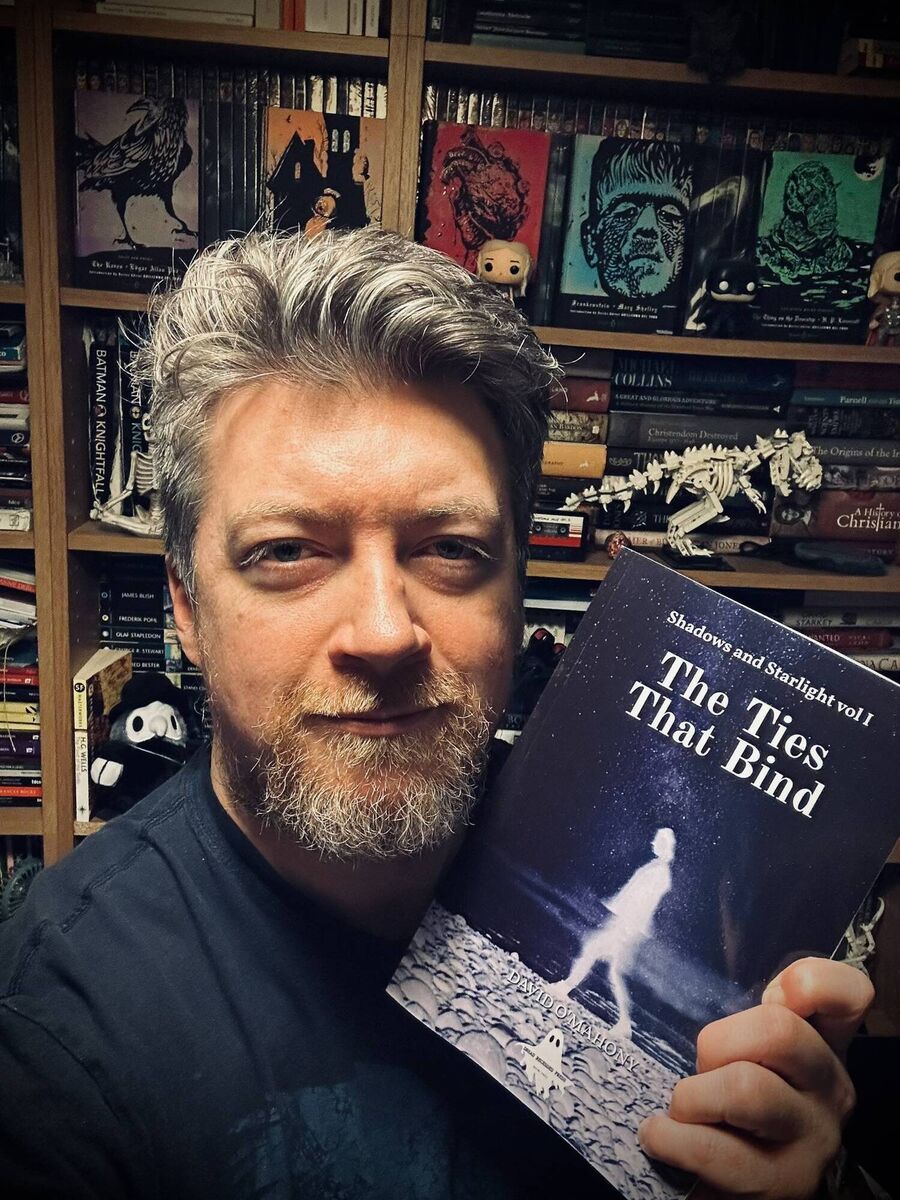
I write horror fiction. I don’t typically think of myself as an artist (though Revenue’s tax exemption tells me yes, I am), but my most successful and memorable stories have tended to be the angriest, or weirdest, or most heartfelt.
In other words, the ones where I decided to try and do something a little different, usually incorporating some theme or element of the familiar that the reader can relate to. Horror, like science fiction, lends itself readily to social commentary even when you don’t set out to do it (I don’t, yet here we are).
Many of the publishers who have taken my work are part of the LGBT+ and neurodivergent communities, so simply by existing they’re creating dangerously in the current climate.
And art’s power as social commentary is what’s at stake right now. It’s one of the few things that allows the ordinary person to speak truth to power. It’s why Camus talked about creating dangerously – not because of the consequences, but because art shouldn’t be constrained.
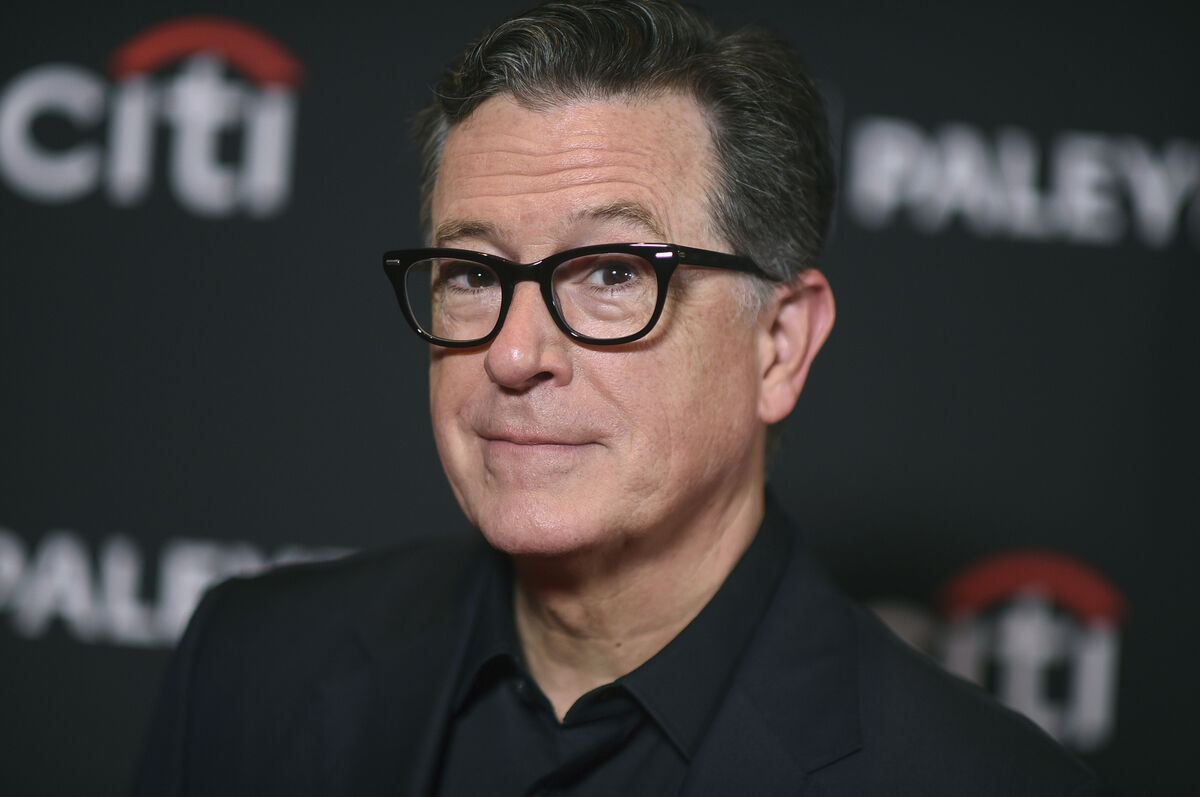
We’ve seen how the talk show comedians have been systematically targeted on the back of fighting him through words, with Stephen Colbert in particular having taken the gloves off since news emerged that his show wasn’t going to be renewed. Jimmy Kimmel’s fall seems to have been brief, and his return based more on share prices and cancelled subscriptions than dedication to free speech.
But there’ll be some other target. Tyrants always need new enemies to demonise, new reasons to be aggrieved for fear of people being united against them.
There’s a reason why, in the film version of , the comedian Gordon Dietrich is arrested and executed after broadcasting a savage satire of the fascist leader – in uniting people through laughter, he had exposed the weakness that lies in the heart of every tyrant: small vanity.
The creators of were deliberate when they chose to give Trump a tiny penis, though thankfully for them they haven’t gone the route of Dietrich. Still, satire should never shy away from skewering power.
Tyrants and tyrannical regimes have always gone for commemorating themselves, either in art or monumental architecture, small men (they’re almost always men) really trying to leave a lasting mark on the world. Look at me, I’m here. Look on my works, ye mighty, and despair.
In his ostentatious displays of gold filigree, Trump thinks, as the mega wealthy often do, that he is showcasing his success. But he’s taken the sophistication and deliberate planning of palaces such as Versailles – a very political display of power – and created a gauche imitation, giving it a spiritual and intellectual emptiness perhaps reflective of the man himself.
It's a sort of hollowness that seems reflected in many cruel men, no matter how powerful. The edifice is paramount.
And yet one line of savage poetry, or one piece of defiant art or music, can take it all down and remind people that it doesn’t have to be this way. Think of Banksy’s art in Bethlehem or Ukraine, or Rage Against the Machine’s .
There’s also a reason that punk, in all its forms, has endured while the likes of glam metal have faded to nostalgia: at its heart punk is strongly motivated by social justice and the need to question authority, two things which never really go out of style.
If protest music isn’t art enough for you, recall how JFK, in an address commemorating the poet Robert Frost, noted how the arts were vital for balancing the exercise of power: “When power leads men towards arrogance, poetry reminds him of his limitations… When power corrupts, poetry cleanses.”
One of the most powerful men of his day acknowledging the importance of checks and balances – how far America has fallen. But, conversely, how far it could climb back up if it, somehow, shakes off its current regime of hate.
That may be optimistic thinking, but what is art but a way to inspire people to think about the possibilities of something greater?
Grab a brush, pick up a pen, drag out those Lego bricks and build something nobody’s ever seen. Don’t give a damn about what other people think. Create dangerously.


CONNECT WITH US TODAY



Be the first to know the latest news and updates