'I left rubble, death and fear as Gaza became a graveyard'
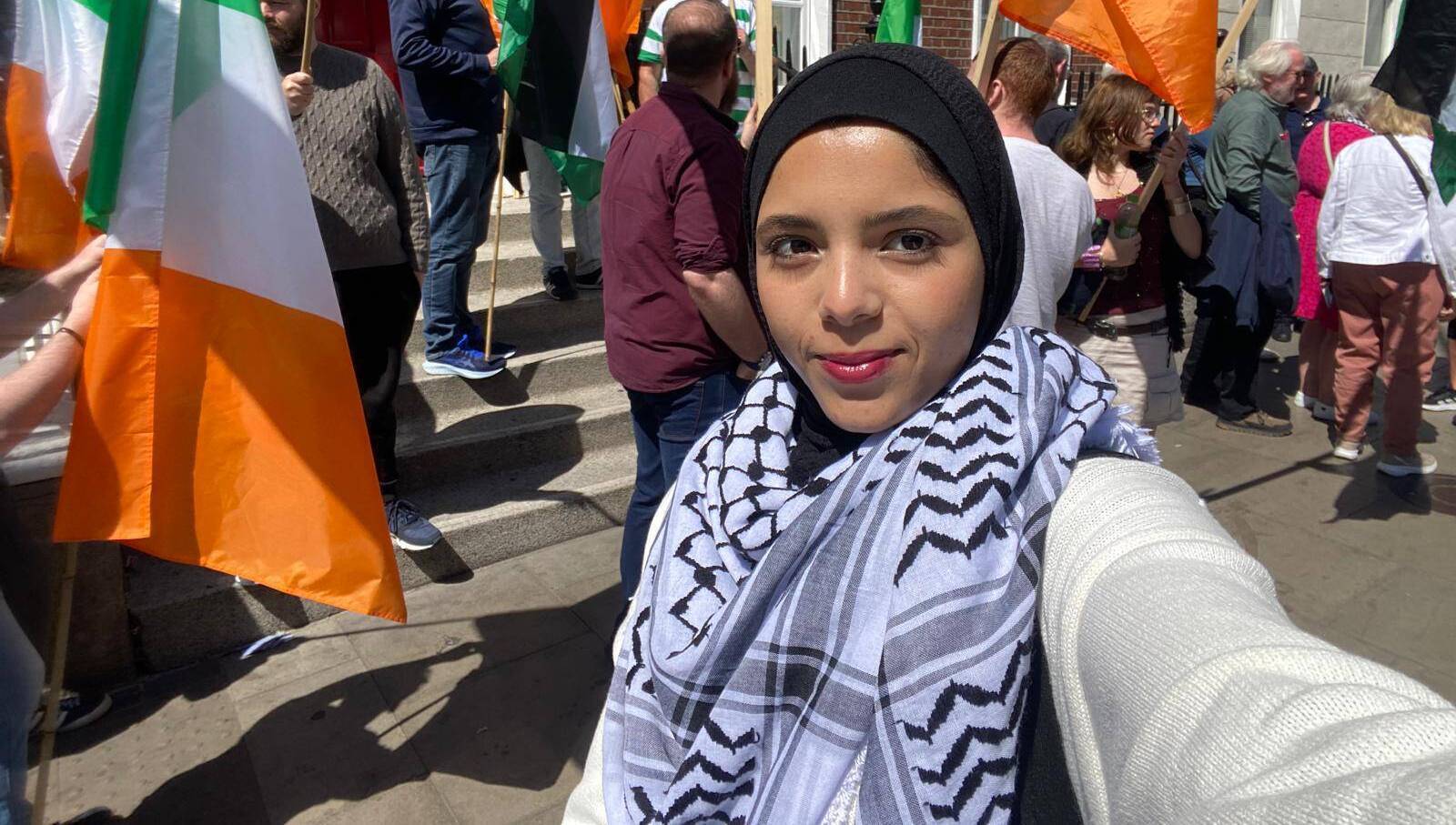
Eman Alhaj Ali: In the Irish National Demonstration
It has been almost a week since I last contacted my family in Gaza. On June 11, a deliberate Israeli airstrike hit Gaza’s main fibre‑optic cable, triggering a devastating internet blackout that silenced what little communication remained. The outage lasted over two days and six hours. Limited connectivity partially returned on June 14 after urgent humanitarian appeals allowed Palestinian technical crews to carry out emergency repairs.
But just as a faint hope emerged, it was shattered again. On June 17, large parts of central and southern Gaza plunged back into darkness when another fibre‑optic cable was cut along Al‑Rasheed Street — just a day after a similar disruption on June 16 near Khan Younis.
This is not a technical failure; it is part of a consistent, deliberate strategy. These blackouts always coincide with intensified military attacks. The consequences are devastating: rescue efforts are paralysed, humanitarian aid cannot be coordinated, media coverage is blocked, and families like mine are plunged into agonising silence. Without the internet, civilians cannot call ambulances, report strikes, receive alerts, or speak to loved ones.
Technical teams are working urgently to locate the damage, but the situation worsens by the hour. Fuel and engine oil, vital for telecom generators, are nearly depleted. Without immediate resupply, the telecommunications infrastructure faces total collapse. That would mean no emergency calls, no humanitarian coordination, and no way for people to seek help — or know if their families are alive.
This targeting of communication infrastructure is a weapon of war. Cutting telecommunications during military campaigns is not just a breach of human rights; it is a direct attack on civilians’ ability to survive, seek safety, and report abuse. Communication is not a luxury. It is a lifeline.
Palestinian digital‑rights groups warn not only of today’s blackouts but of the looming total collapse of a telecom system already weakened by 17 years of blockade, denial of spare parts, and relentless bombardment.
For me, these blackouts are not just a political outrage—they are personal. As someone recently evacuated from Gaza and now living in exile, this disconnection is another wound layered on top of many. The silence is unbearable. I am constantly anxious and exhausted by thoughts of what might be happening back home. The stress is draining, and the uncertainty steals my energy and focus every day.
I was evacuated to Ireland just two months ago to begin my postgraduate studies, seeking safety and a chance to rebuild a future that was shattered before it could begin. I graduated in August 2023 — two months before this genocide began. My life since then has become a patchwork of grief, trauma, and disorientation. I am a survivor of the genocide in Gaza, and coping with exile has been one of the hardest experiences I've ever endured.
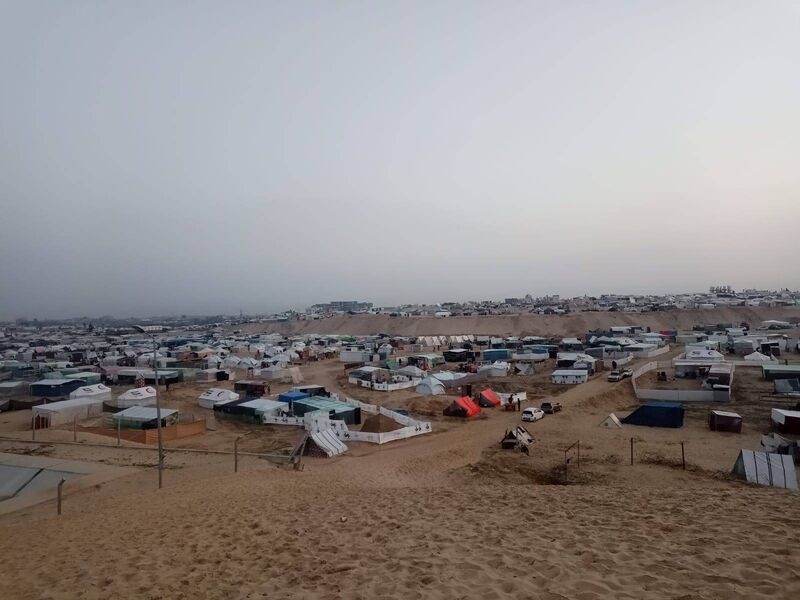
My life has always been shadowed by war. As a child, I witnessed terrifying moments during each assault on Gaza. For years, we lived under the suffocating Israeli blockade. Gaza was often called the largest open‑air prison, and it truly was. People could neither leave nor live freely. Dignity, mobility, and peace were denied to us.
Like anyone, I had dreams. I imagined travelling, completing my education in peace. I never thought my journey would be marked by such horror and fear. But I had no choice. I was torn between staying with my family and watching my future disappear. So I left, leaving behind rubble, death, and fear, as Gaza turned into a graveyard. Streets became unrecognisable; homes were flattened; shelters turned into tombs; the organisations I had worked for no longer exist.
I still remember the night before I left. I didn’t sleep a minute. I hate goodbyes, but I was forced to make one. I hugged my mother and father tightly. My younger siblings clung to me, crying. My heart ached. I felt like I was abandoning them at the worst possible moment—when they were starving, when bombs fell daily, when they needed me most. I promised we would meet again, under better skies. I carry that promise every day.
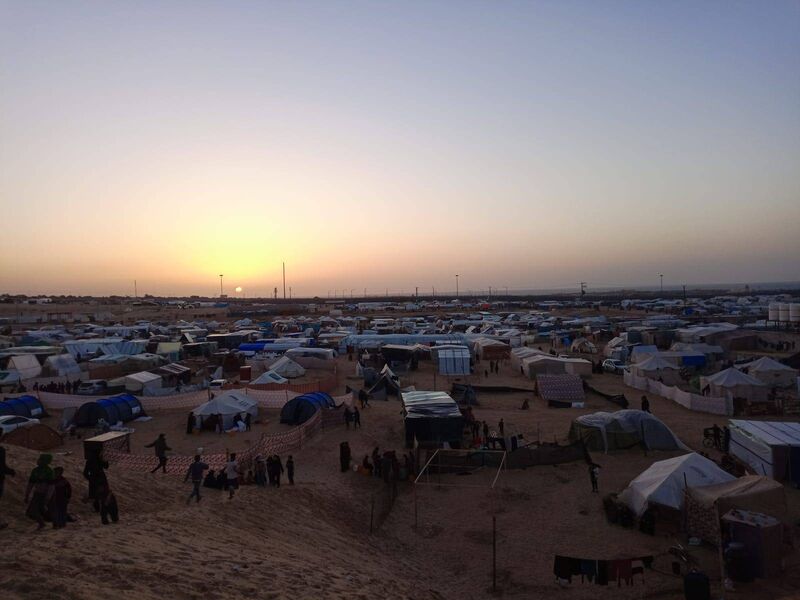
The journey out of Gaza was terrifying. We could bring only a small handbag, one change of clothes, no money, no souvenirs — nothing from our lives. We left with our souls, and that was all. The ride to the Kerem Shalom crossing was long and exhausting. Passing through Rafah felt like a nightmare. That area had become a military zone — nothing remained but flattened houses, debris, scattered clothing, and the remnants of lives. The silence was broken only by the droning of drones and Israeli tanks. That was the same Rafah we had been displaced to early in the genocide: a city of tents, where families froze in winter rains, where my siblings slept hungry, wet, and cold. I remembered when we had no mattresses, when rain filled our tents, when there was no bread or flour, and my father had to walk miles to fetch water. Rafah was not refuge. It was a memory of unbearable hardship, deprivation, the theft of childhood.
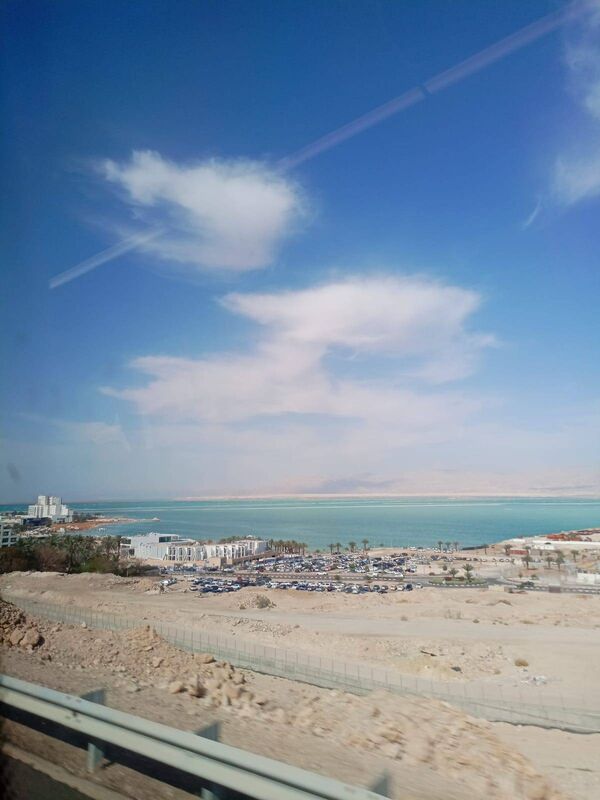
Crossing into Jordan, I saw — perhaps for the first time — our occupied Palestinian lands: the Dead Sea, Jericho, hills, coastlines — all beautiful, all out of reach. We looked at them through bus windows, snapping photos as painful souvenirs. This was our land. We are its people. Yet we could not walk its paths, sit under its trees, or rest on its shorelines. We saw Israeli families enjoying the coast with their children. I thought of Gaza’s children — my siblings. Two years have passed since they last played by the sea. That contrast felt unbearable.
As exile continued, memories overwhelmed me. I realised I would never again walk Gaza’s streets, once my entire life. I would no longer hear the call to prayer, buy falafel from familiar stalls, or eat kunafa from Abu Saudi. No more morning mint tea, no more baking manakish with my mother. I would no longer smell jasmine flowers or walk beneath olive trees. Even during genocide, these simple joys had already been stolen. My life had been turned upside down.
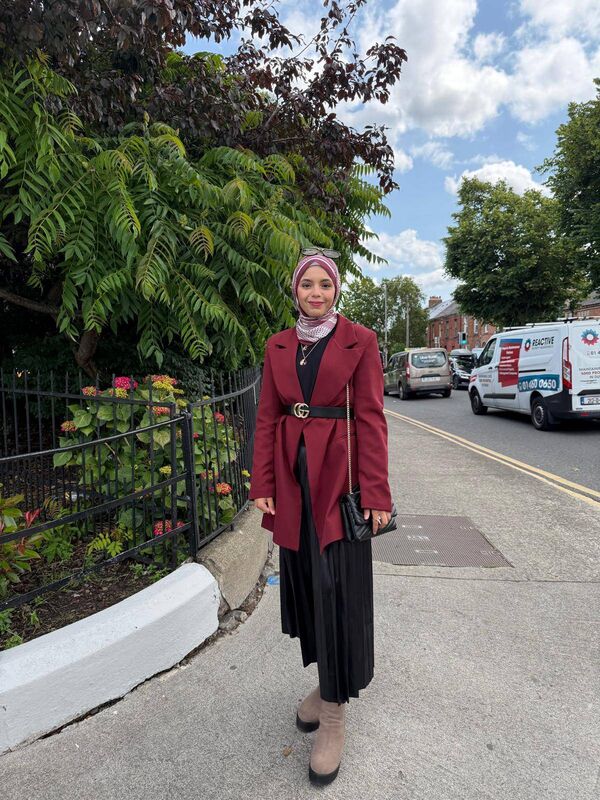
I am not originally from Gaza. My parents and ancestors came from Jaffa, displaced during the Nakba of 1948. And now, history repeats itself. My first Nakba came when we fled to tents in Rafah; my second now in exile. My body is in Ireland, but my soul and thoughts remain in Gaza. I am one of many survivors who left everything behind under the weight of genocide. My mind cannot rest. I cannot accept living in peace when I’m not. I am haunted.
In daylight, loud sounds trigger terror. I instinctively cover my ears at the thought of warplanes. Passing supermarkets filled with food, I think of my family and others who are starving. Seeing parents walk their children to school, I think of mine who cannot. I carry this burden every day — studying, working, pretending to be present, but always worried.
The pain of disconnection during blackouts is unbearable. The silence of no signal, no message, no voice from home is devastating.
I had never imagined my twenties would be marked by suffering, exile, and survival. But I promised myself and my family that this is not the end of our story. We will return. Our life will be better than before. Gaza follows me in every step I take — the sound of the sea, the scent of jasmine, the memory of every tree, every road, every streetlight.
We are scattered across the world now, but something still connects us: our belonging to this land. We will continue writing, speaking, and demanding our right to live freely in our homeland. We are its people, and no exile or blackout can erase that truth.
CONNECT WITH US TODAY



Be the first to know the latest news and updates