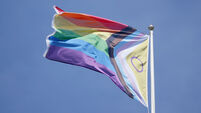
Marriage equality 10 years on: Referendum future-proofed same-sex marriage in an uncertain world
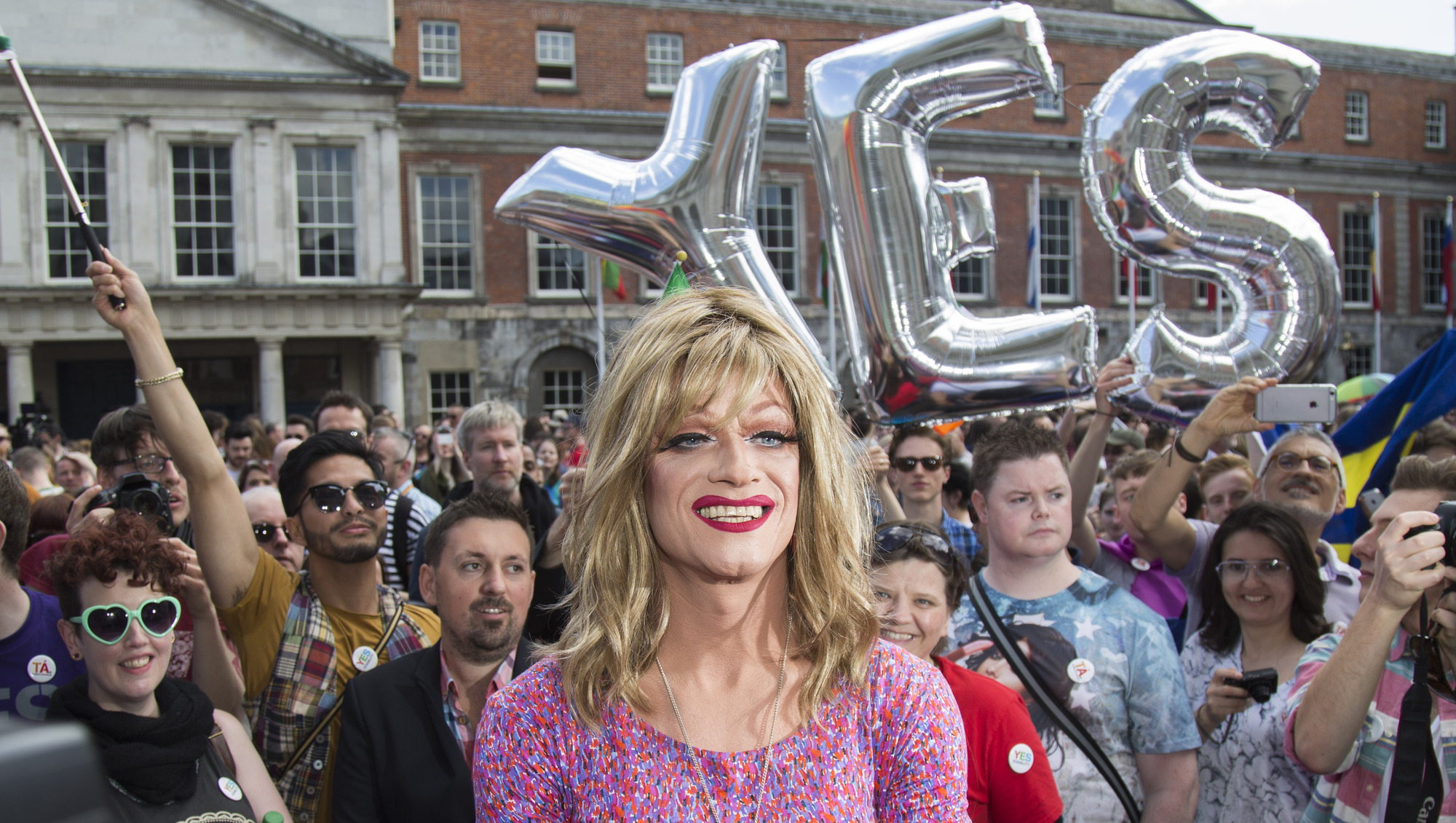
Rory O'Neill, also known by his stage name Panti, witnesses the passing of the referendum on marriage equality at Dublin Castle with members of the public in 2015. Picture: Fergal Phillips
On May 22, 2015, over 62% of voters said ‘Yes’ in the marriage equality referendum, which led to the legalisation of same-sex marriage.
Reflecting on this historic event a decade on, the positive, affirming referendum result takes on a whole new significance. Today’s world is one in which the rights of minorities, including the LGBT+ community, appear to be increasingly under attack, even in a number of our fellow EU Member States.
In recent years, Hungary’s government has restricted adoption to opposite-sex couples, thereby interfering with LGBT+ couples’ right to found a family through adopting a child.
Also, due to a recent law which prohibits the public portrayal to children of "divergence from self-identity corresponding to sex at birth, sex change or homosexuality", all public LGBT+ events like Pride are banned there, frustrating the rights to freedom of assembly and freedom of expression of the LGBT+ community.
In Italy, when it comes to the provision of goods and services, national anti-discrimination laws do not extend to the LGBT+ community, and while some Italian regions have passed local, LGBT+-inclusive anti-discrimination laws, in many other regions, LGBT+ people can still be discriminated against on the grounds of sexual orientation and gender identity by providers of goods and services.
Further, since 2023, when a female same-sex couple has a child through donor conception in Italy, only the biological mother can be registered as the legal parent on the birth certificate – the child’s second female parent cannot be registered, a regressive measure taken by Giorgia Meloni’s government that attracted significant international condemnation.
Needless to say, neither Italy nor Hungary permit marriage for same-sex couples.
Just last month, in our neighbouring jurisdiction, the United Kingdom, the trans community was dealt a significant blow when the UK Supreme Court declared that, for the purposes of equality legislation, the terms ‘woman’ and ‘sex’ refer only to biological women and biological sex, respectively.
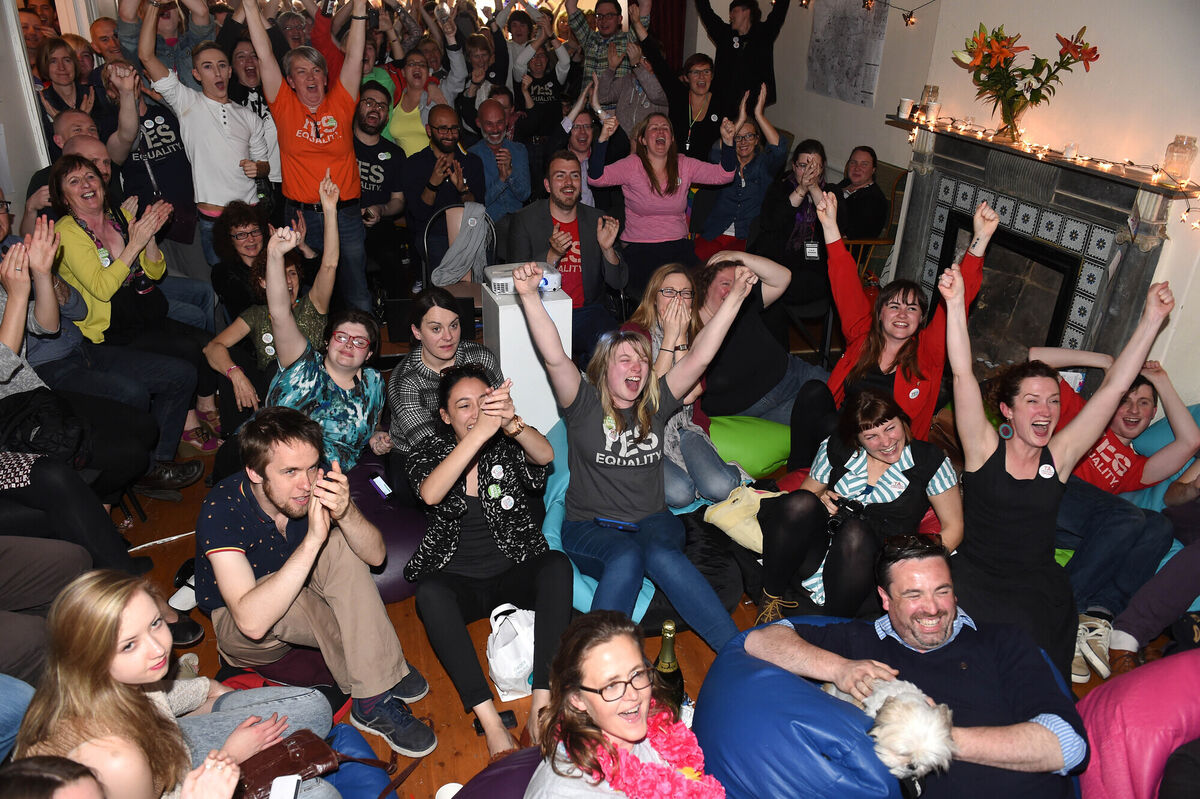
While all of this makes for depressing reading, it also contrasts with the success of the marriage equality referendum, which enshrined same-sex marriage in the Constitution, and copper-fastened the fundamental right to marry for LGBT+ couples here in Ireland.
Essentially, because the Constitution can only be changed by a successful referendum, only the Irish people, through a future referendum, can vote to remove same-sex couples’ right to marry from our Constitution and our laws. Thus, the referendum result provided far greater legal protection for marriage equality than ordinary legislation would have.
Indeed, in other countries like the UK and Australia, where marriage equality was introduced through ordinary legislation, this could hypothetically be repealed by a future, right-leaning, anti-LGBT+ administration.
In 2025, this is not beyond the realm of possibility, as just last week the UK Labour government unexpectedly pivoted somewhat to the right on the issue of immigration, most likely as a knee-jerk response to the significant successes of the right wing Reform UK party in recent local elections there.
In 2015, the significance of the marriage equality referendum in future-proofing one’s right to marry a person of the same sex from the type of anti-LGBT+, right-wing politics that appears to be on the rise, and might eventually find its way into the mainstream here in Ireland, would have gone largely unappreciated.
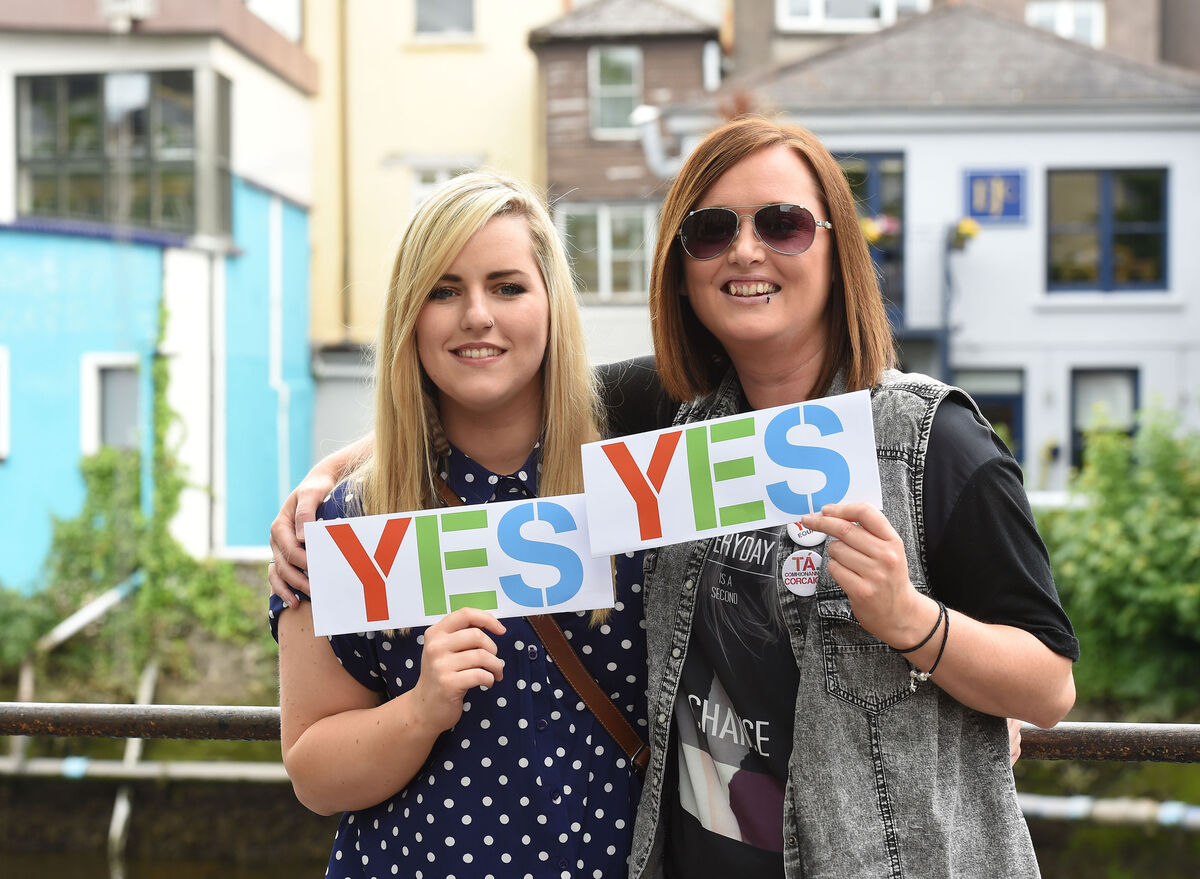
Today, in an increasingly polarised and uncertain world, this could be regarded as the greatest legacy of the referendum result.
This is not to say that, as we celebrate the tenth anniversary of marriage equality, the then government’s decision to hold a referendum on whether to extend marriage rights to same-sex couples is now beyond criticism.
A national vote to decide on a human rights issue that affects a minority group was crude, because it forced that historically oppressed minority to have to rally together and literally plead with the majority for access to the institution of marriage.
The phenomenal ‘Yes Equality’ campaign literally had members knocking on doors nationwide for months prior to the referendum to get the Irish public on side by putting a human face on the issue of same-sex marriage rights. There was also a very active ‘No’ campaign that had a profound effect on LGBT+ people.
A survey of the negative social and psychological impacts of Ireland’s ‘No’ campaign, subsequently conducted by Australian academics at the University of Queensland and Victoria University in conjunction with Irish marriage equality activists and LGBT+ groups, found that of the 1657 participants, 71% reported that they often or always felt negative in the months leading up to the referendum, due to this campaign’s activities.
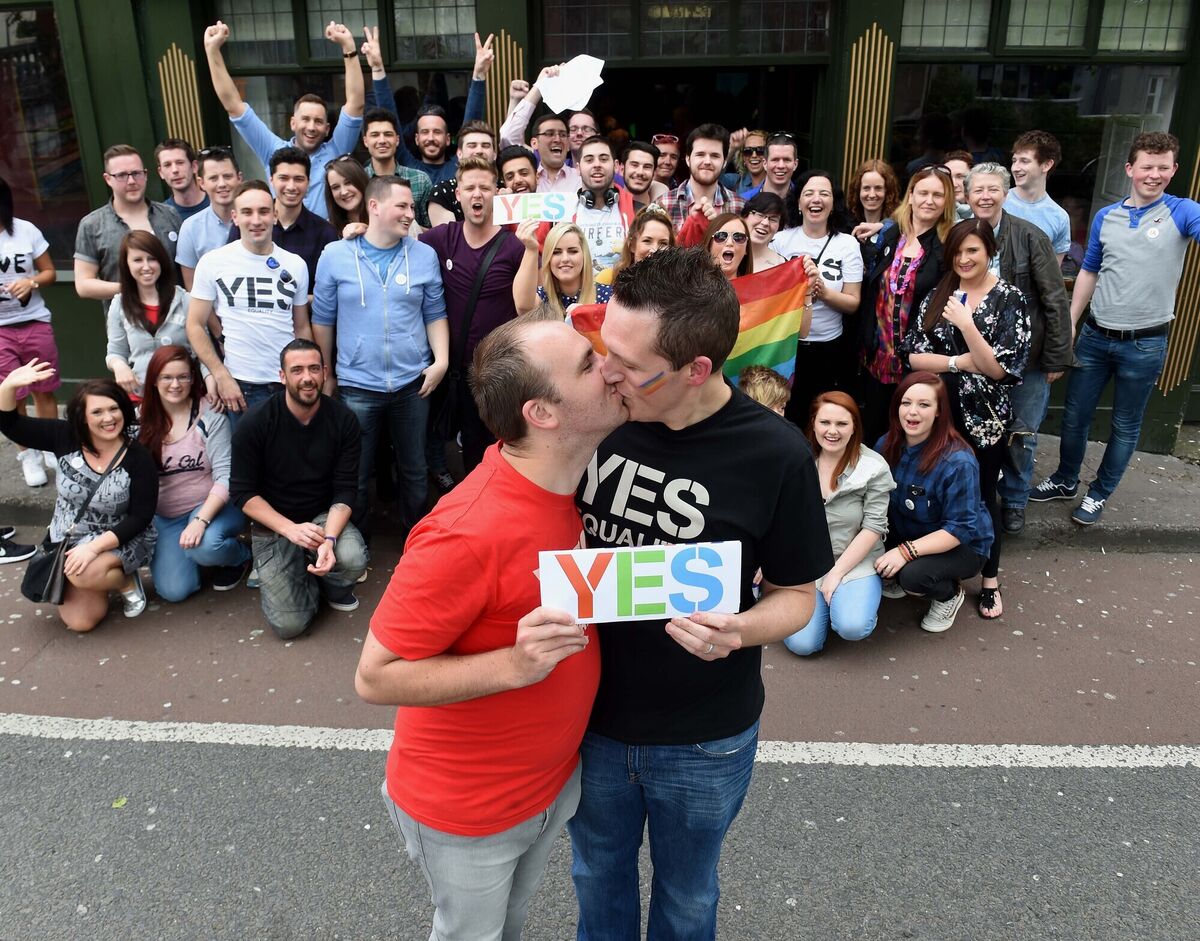
Nonetheless, in 2025, one cannot help but conclude, with the benefit of hindsight, that our record of being the first country in the world to extend the right to marry to same-sex couples on foot of a popular vote is laudable, because it speaks to our values as a nation.
On May 22, 2015, a sizeable majority of us chose to insert Article 41.4 into the Constitution, to demonstrate that Ireland is tolerant and LGBT+-friendly, and to expressly guarantee for present and future generations that, in our country "marriage may be contracted in accordance with law by two persons without distinction as to their sex".
For that, we should be proud (pun intended). Happy tenth anniversary, marriage equality.
- Dr Brian Tobin is Associate Professor, School of Law, University of Galway and the author of ‘’ (Oxford: Hart, 2023)

CONNECT WITH US TODAY



Be the first to know the latest news and updates