Micheál Martin left his meeting with Trump unscathed, but his real test is navigating the year ahead
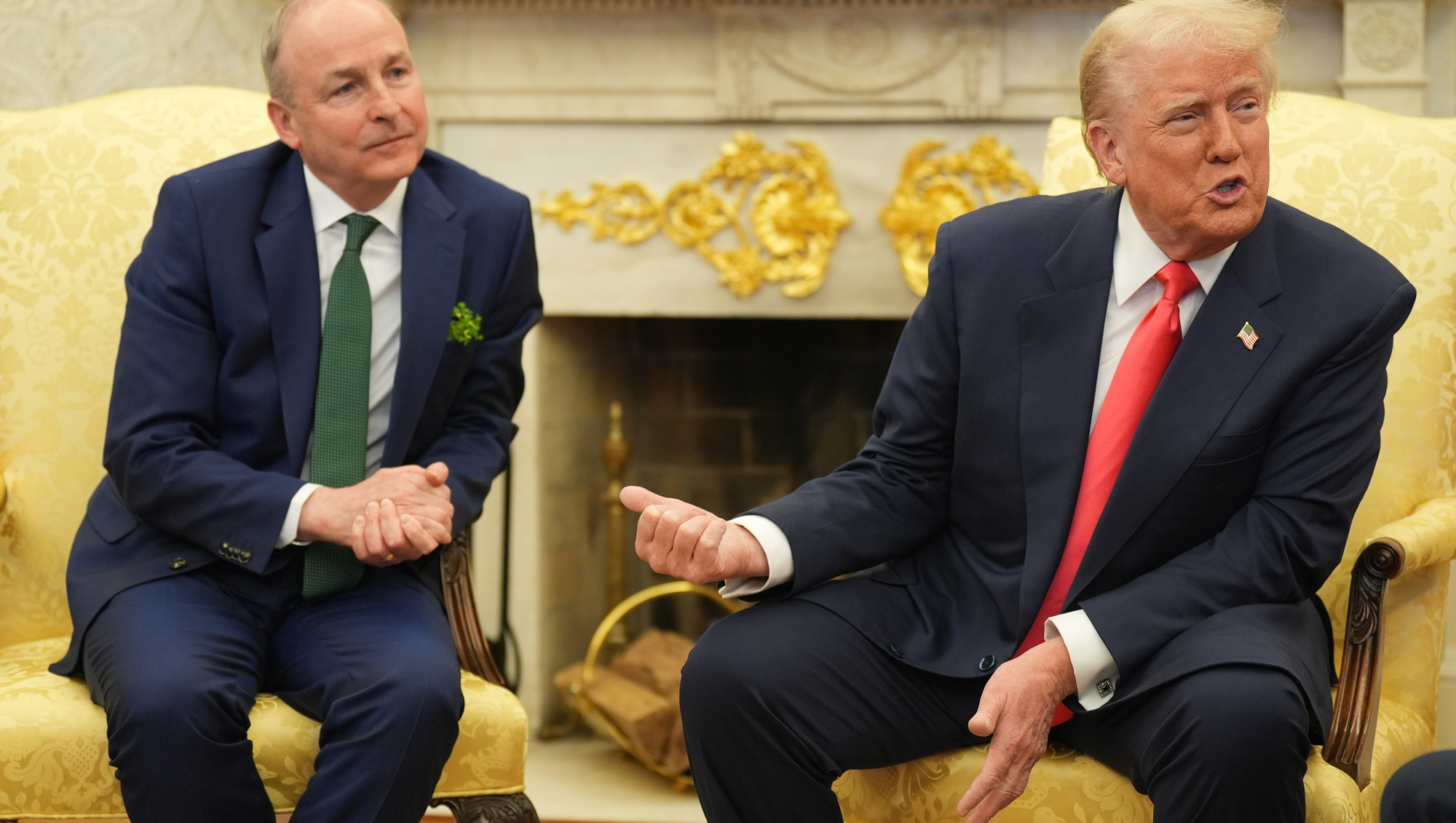
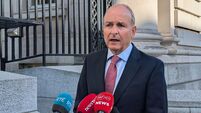
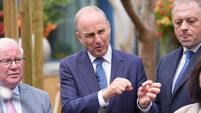
For Mr Martin, while escaping Washington DC intact was a version of a win, the real test of his second stint as Taoiseach will largely focus on how the next year is navigated.
When Taoiseach Micheál Martin left the White House just less than a month ago, there were some who breathed a sigh of relief.
Mr Martin had, the consensus went, fended off the worst of Donald Trump.
Coming just weeks after Ukrainian president Volodmyr Zelenskyy had been publicly humiliated in the Oval Office, there had been legitimate and well-founded fears Mr Martin was next in line for a White House evisceration.
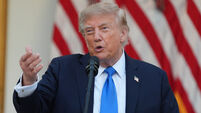
While that didn't transpire, Mr Trump did specifically single out Ireland for mention when he railed against those who had "stolen" American industry.
“Ireland was very smart. They took our pharmaceutical companies away from presidents that didn’t know what they were doing and it's too bad that happened,” Mr Trump said with Mr Martin sat beside him.
About €50bn of medicines are exported from Ireland every year, according to official data, and the fact that America does not produce enough antibiotics to keep its populace healthy was mentioned by Mr Trump in his April 2 announcement of sweeping tariffs.
While the absence of pharmaceuticals on the list of things to be taxed was seen by some as a win, it was clearly only ever a temporary situation, one Mr Trump was happy to end on Tuesday evening.
During an event at the National Republican Congressional Committee Trump said China is facing a 104% tariff and he announced he would introduce tariffs on pharmaceuticals.
"We're going to tariff our pharmaceuticals. And once we do that, they're going to come rushing back into our country because we are the big market, the advantage we have over everybody is that we're the big market. So we're going to be announcing very shortly a major tariff on pharmaceuticals."
It was not a volte face or a betrayal from Mr Trump to Ireland's economic model — he was simply doing as he had said he was going to.
But it did underline that how Mr Martin had behaved in the Oval Office probably didn't weigh much on the mind of Mr Trump as he drew up his now infamous card which set out the basis for his tariff regime (a card built on shaky, at best, economic assumptions).
And so, Ireland has attempted to press the flesh beyond Mr Trump — Tánaiste Simon Harris met with US Commerce Secretary Howard Lutnick on Wednesday and Agriculture Minister Martin Heydon met with US Secretary of Agriculture, Brooke Rollins, on Tuesday — indicating that the Government's urgency is growing, even as it tries to straddle a line between being part of a combined EU response and going it solo in a bid to protect our pharma exports and agri-food businesses.
Ireland, it should be noted, has the second widest consulate network in the US of any of the EU 27 and there has been consistent efforts to scale up efforts at diplomacy, even before Mr Trump reassumed his position as the world's most powerful man. Those in Ireland's diplomatic circles bristle at the idea that they now need to react, pointing to 18 months of work which preceded the return of Mr Trump.
As the Dáil on Wednesday discussed tariffs at length, there were a number of TDs with theories on what Mr Trump hopes to achieve, but the why is largely irrelevant at this point, with the reaction so urgently needed, despite a social media post by Mr Trump urging people to "be cool". Mr Trump's later decision to pause tariffs for 90 days showed even further that Mr Trump may not, in fact, be playing chess here.
The meeting with Mr Trump was the centrepiece event in a St Patrick's week charm offensive where Irish ministers reached the four corners of the globe, but seem much further away than just a month now, so much has happened since.
In Dublin and across Ireland, there is now a real fear of damage to jobs and businesses just hours into the tariff regime, with Mr Martin telling the Dáil that businesses are seeing orders "drying up". For Mr Martin, while escaping Washington DC intact was a version of a win, the real test of his second stint as Taoiseach will largely focus on how the next year is navigated.
If you really wanted an insight into Mr Trump's motivations, he offered some in same breath as he put Ireland's pharma industry in his sights.
“These countries are calling us up, kissing my ass” to negotiate deals on tariffs, he said.
One suspects even that may not sway Mr Trump.

CONNECT WITH US TODAY



Be the first to know the latest news and updates