Covid inquiry: 'We need a whole-of-society approach to any future pandemic'
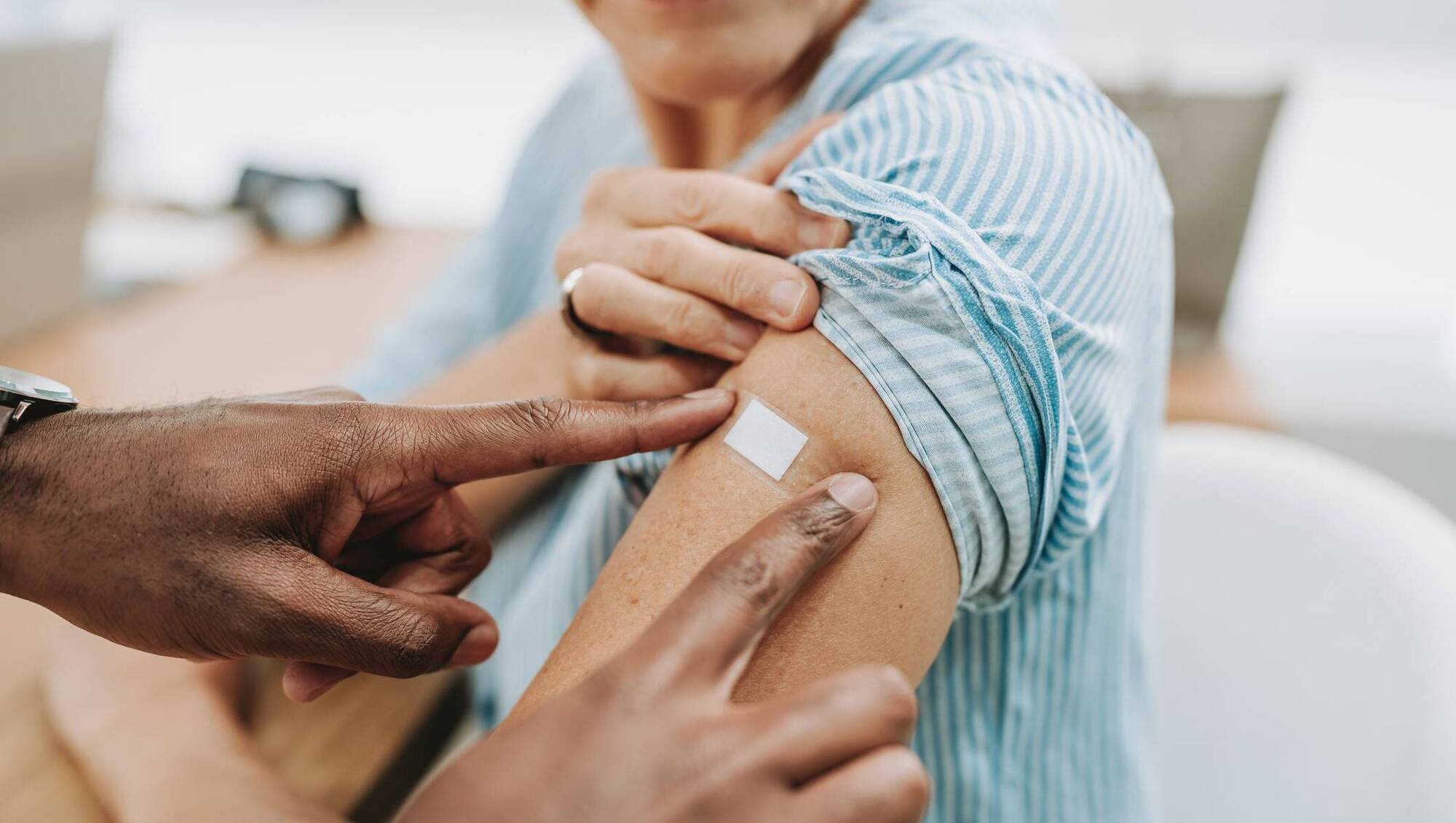
One advocate has called for an adult safeguarding law. Picture: iStock
An evaluation of Ireland's response to the pandemic is starting just as the five-year mark since the first cases were seen here approaches this month.
One module of this review is dedicated to nursing homes due to the devastating impact covid-19 had on the sector.
By June 2020 some 63% of pandemic deaths in Ireland were linked to nursing homes, the covid-19 nursing homes expert panel later said.
Tadhg Daly, CEO of Nursing Homes Ireland, represents private and voluntary homes which make up over 80% of this sector.
“One of the concerns we had at the outset was the sense that older people generally and most definitely nursing homes weren’t treated with the importance they should have been,” he said.
“All the focus was on the acute hospitals.
By early March nursing homes were closing their doors as fears grew of potential infection due to high visitor numbers over St Patrick’s Day.
While this led to separation and distress for residents in many cases, some homes also saw staff move on-site to care for vulnerable elderly.
“People went above and beyond. They didn’t go home for days or people were changing their clothes out in the garage coming home. They wouldn’t hug their own parents or grandparents or kids,” he said.
“In those early stages there was a lot of fear. So hearing from those staff would be important as well.”

He added: “If there is to be an element of giving evidence, families and relatives of residents will like to speak about their experiences. I think the staff experiences would be important as well.”
Research led by Trinity College Dublin in 2022 found, for example, one in five directors of nursing at nursing homes considered leaving the sector after the pandemic.
Another TCD-led study in 2021 found “high levels of post‐traumatic stress, mood disturbance and moral injury” among nursing home staff here.
In terms of learning for the future, he said better integration of nursing homes within the public health services is needed.
He said there is better engagement since the pandemic but gaps remain.
“Nursing homes are providing a public service so integration is key. Bernard Gloster (HSE ceo) has said residents in private homes should have the same entitlements to primary care services, so definitely the mood music and the direction of travel is positive.”
Majella Beattie from advocacy group Care Champions said the review needs to answer questions for those families “frozen in a period of grief and turmoil” since the pandemic.
“For people where there were concerns of neglect or sub-standard care, they deserve not to be treated in the way they are presently treated – being swept under the carpet,” she said.
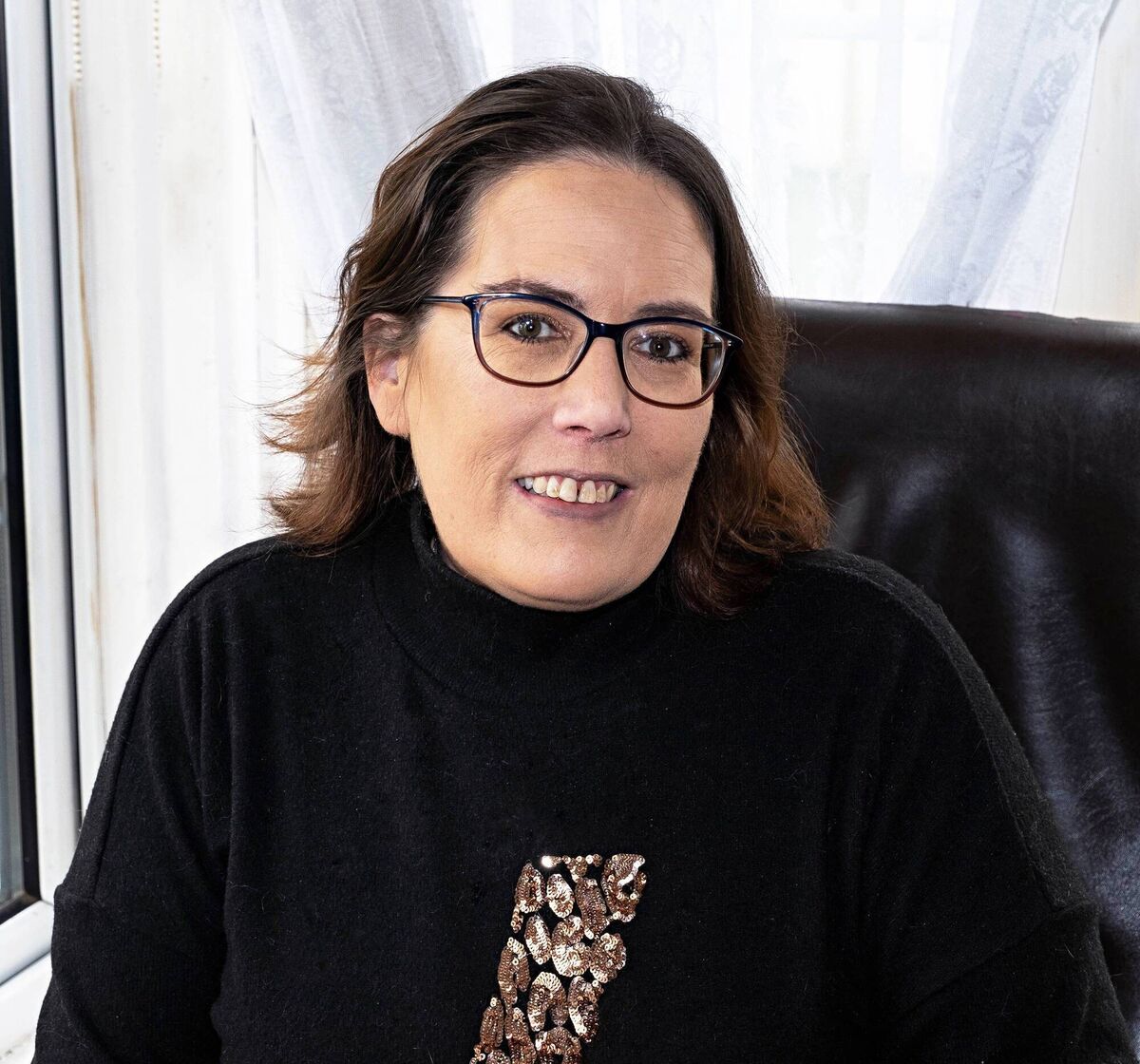
“They deserve the dignity of being heard, respected and acknowledged.”
January has been especially difficult for families like the McCarthys in Cork and the Bradys in Wexford as they mark four years since their relatives died. Over 1,500 people died from covid-19 in January 2021 alone.
Former chief medical officer Tony Holohan described it in his memoir as “the single worst month for deaths over the entire course of the pandemic".
He discussed the nursing home model in Ireland too, saying the problems which saw residents "at the greatest possible risk of the serious effects of a respiratory virus such as covid" were also faced by other countries.
Ms Beattie said families want to meet with the evaluation chair and also with the new health minister and Taoiseach.
“They have to listen and apologise and then we need to start looking at reforms,” she said.
“Where is the adult safeguarding legislation? It’s an absolute disgrace and lack of political will that has not been put through to become law yet.”
The debate over whether Ireland locked down too hard or not hard enough continues but these families wanted a statutory inquiry with public hearings to analyse this and other questions.
Margo Hannon, a former nursing home staff member turned whistleblower during the pandemic also wants to see changes in safeguarding as a legacy of those years.
"We do urgently need an adult safeguarding law," she said.
She welcomed the commitment in the programme for government to a policy on this but said legislation is what is really needed.
“As former staff in the sector, a law would support mandatory reporting by healthcare staff so whistleblowers would be protected for speaking up,” she said.
She was concerned to see strict visiting restrictions imposed again in some hospitals and nursing homes because of the flu outbreak.
A care partner system allowing nominated visitors in a less limited way than currently such as was put in place in Northern Ireland is needed, she urged.


CONNECT WITH US TODAY



Be the first to know the latest news and updates