Mick Clifford: Micheál Martin finally got his day, and he handled it with a touch of class
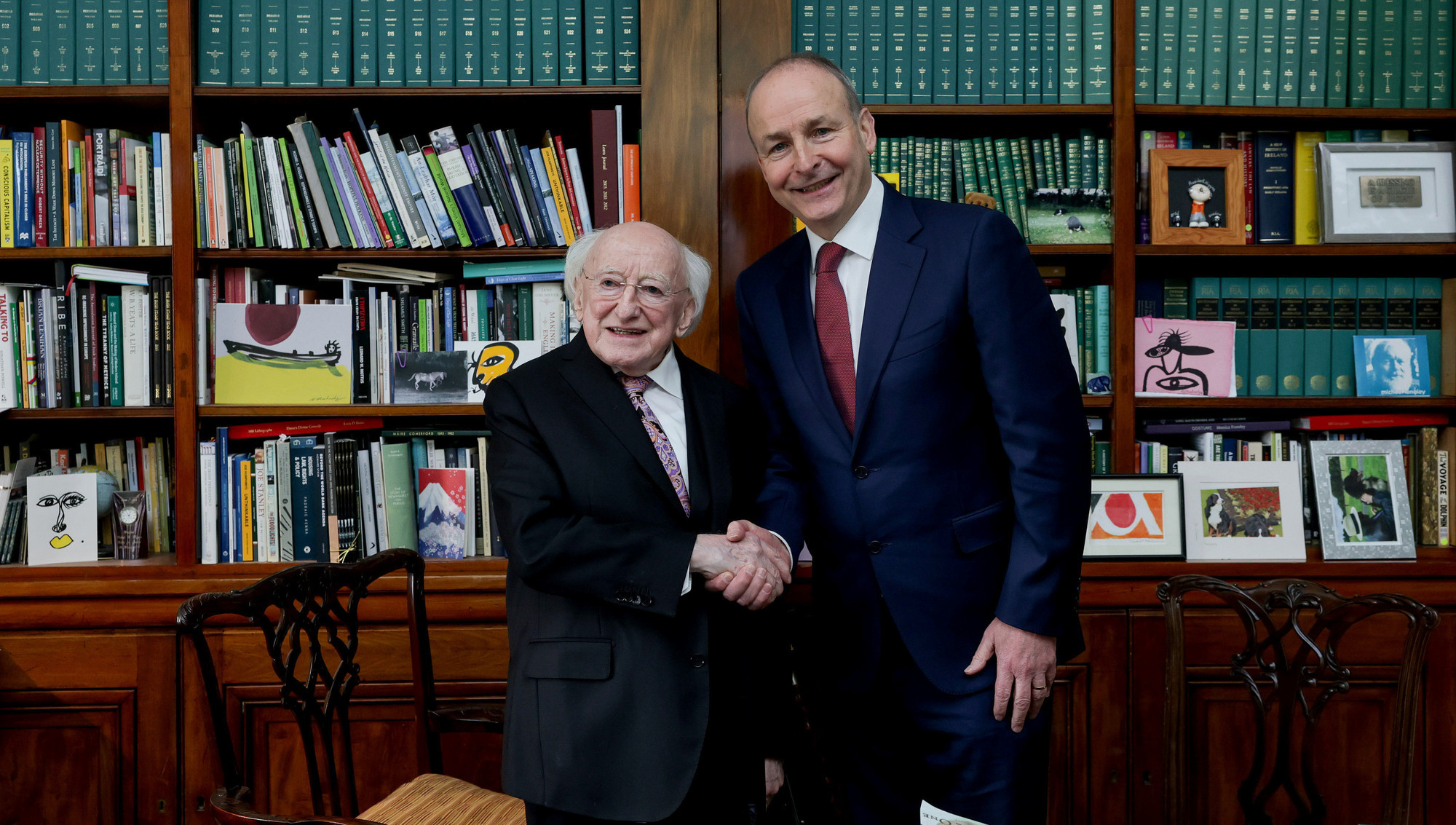
This was the pinnacle of Micheál Martin’s political career, which has been marked by longevity, dizzying heights and lows that were ocean deep.
Soon after Micheál Martin had been proposed and seconded as the next Taoiseach, Michael Lowry left the Dáil chamber. He knew what was coming, and it did.
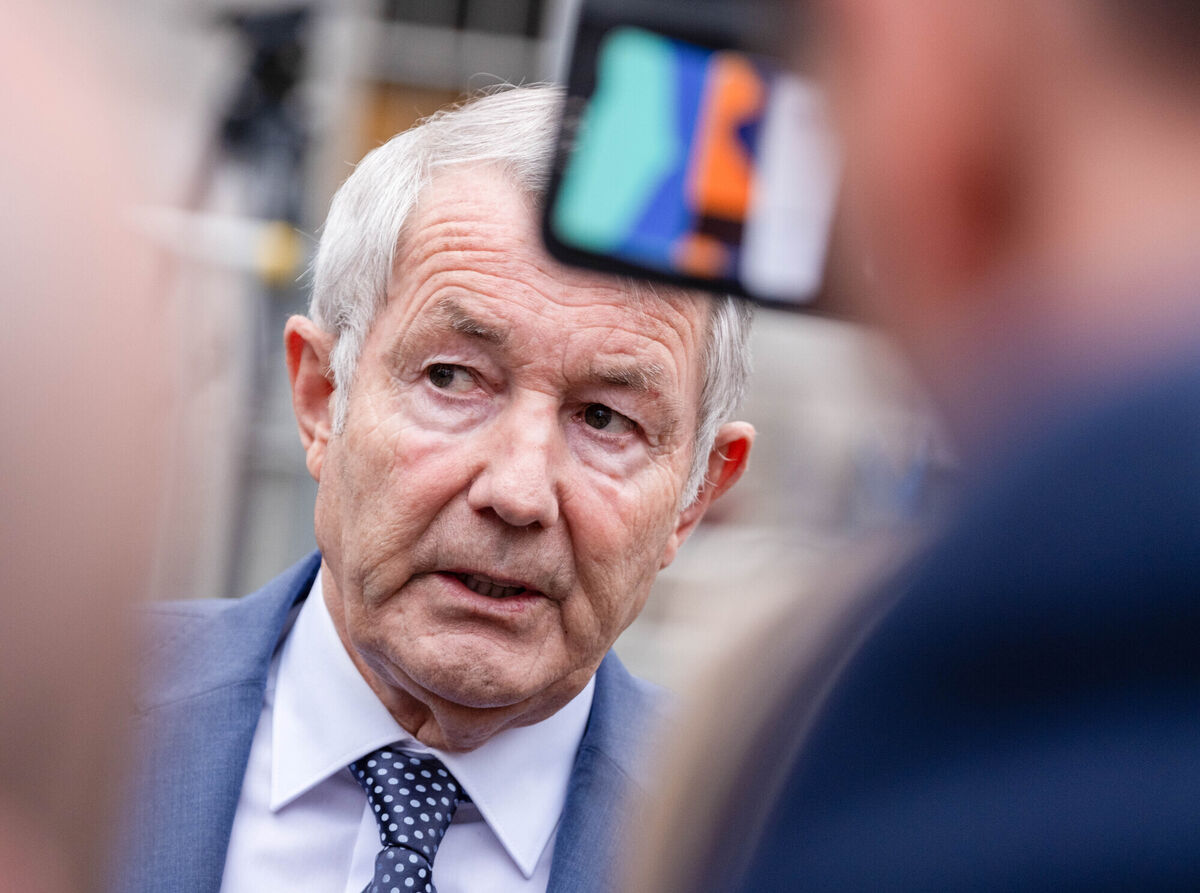
Lowry had been much of the focus of the chaos that had seen the Dáil suspended in uproar the previous day. The row had centred on his involvement in putting together the proposed coalition, his alleged fingerprints on the programme for government and particularly the arrangement whereby he and other jobless regional independents could play both sides of the House.
This was a man with a past which the civil war parties now wanted to forget, but the real opposition couldn’t stop remembering.
Soon after his exit, Pearse Doherty, in the course of seconding the nomination of his party leader for Taoiseach, did reference Lowry. He quoted from the Moriarty Tribunal’s damning appraisal of the former government minister and then went into some detail that had long been gathering dust but was no less shocking for this late introduction.
Doherty spoke of Lowry’s attempted purchase of Doncaster Rovers and recorded that Lowry had a rake of meetings that the tribunal had expressed grave concerns about. “Let me put some new information on the record of the House,” Doherty said and went into further detail that would make no sense to anybody but those who covered the inquiry 20 years and more ago.
His point, however, was well made. Recent attempts by the leaders of Fine Gael and Fianna Fáil to portray Lowry as an oul fella who strayed offside way back in the mists of time did deserve some balance.
The Social Democrats Cian O’Callaghan also mentioned the recently departed Lowry. “The tribunal’s report found Michael Lowry’s actions to be profoundly corrupt,” he said.
And on it went. When it was all done, Lowry reappeared in time to vote for the new Taoiseach and keep intact the deal he had negotiated on behalf of his merry bunch of independents.
This, however, was Micheal Martin’s day, a rare occasion when it was apt to salute the contribution of one individual to public life and affirm the result of last November’s election.
Following Wednesday’s chaos that went unresolved, the day got off to a stuttering start. A meeting between party leaders was convened. Metaphorical white smoke went billowing above government buildings when word spread that we had a result. Or did we?
The scheduled starting time was rescheduled twice before the actual kick off. A slightly off note was that the delay of 24 hours robbed the Taoiseach elect of the complete family occasion as his son Michael Aodh had to return to Cork and couldn’t stay the extra day.
The rest of the family were there for him, even if the ranks of supporters were thinned out, again unavoidably. Still, this was the pinnacle of Martin’s political career, which has been marked by longevity, dizzying heights and lows that were ocean deep.
He was nominated by his party’s youngest TD, 26-year-old Albert Dolan proposed and the nomination was seconded by Catherine Ardagh, whose father had also been a Fianna Fáil TD. As might be expected they spoke effusively about the Cork man’s record and character.
As might be expected the opposition did not and concentrated instead on the negative aspects of the government’s record. Mary Lou McDonald’s contribution was in this vein and she ended with the line: “Today will not be our day but our day will come”.
It didn’t escape notice that the phrase echoed the Provisional IRA’s chant of “Tiocfaidh Ar La” in the days long before McDonald was in politics. Why the current leader of a democratically aligned Sinn Féin would use such phraseology on the occasion of electing a Taoiseach was baffling.
In the end, the vote went as expected, every one of the Regional Independent group, including Lowry, keeping their pledge to vote with the government. Afterwards, the new Taoiseach gave a speech that well befitted the occasion.
He spoke with emotion in his voice of his family of origin, his parents, his father’s anniversary the previous day, the sense of public service that his father had willed him, and then his own family, mentioning by name his three adult children.
“I have been blessed to have a partner in Mary who has done so much more than just keeping me rooted,” he said. “No position I have held and nothing I have achieved would have been possible without her.”
Applause rippled across the House, including, for the only time in the proceedings, from some of those on the opposition benches.
He mentioned Turner’s Cross, Coláiste Chriost Ri and invoked his own party’s introduction of free education in the late 60s which opened up the world for “working-class kids” like him.
Afterwards, the congratulations arrived — even from across the floor — and he made his way outside to be met by the customary cheering guard of honour from party colleagues, family and friends. Then it was off to the Aras in a procession of garda outriders and into a new administration.
The day was belatedly his and he handled it with good grace and a touch of real class. Tomorrow begins as the day after the honeymoon.

CONNECT WITH US TODAY



Be the first to know the latest news and updates