Coolock chaos: Far right flexing its muscles
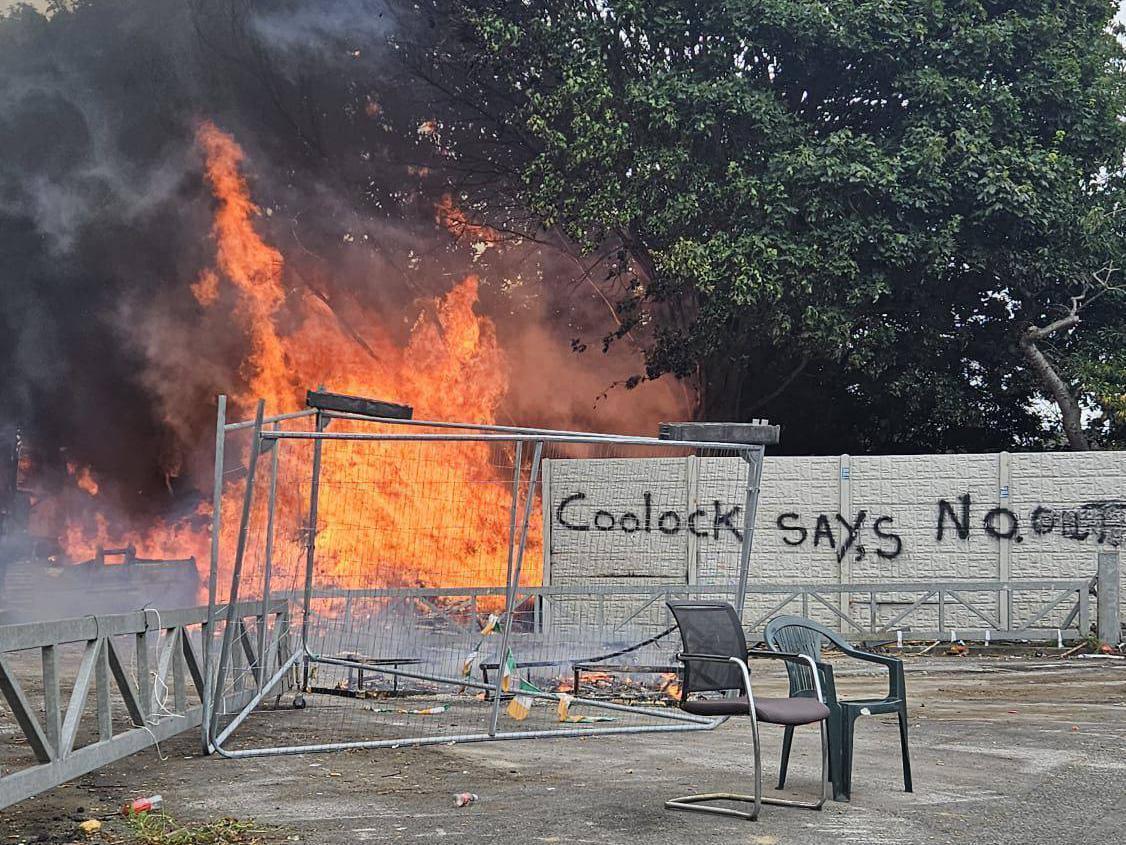
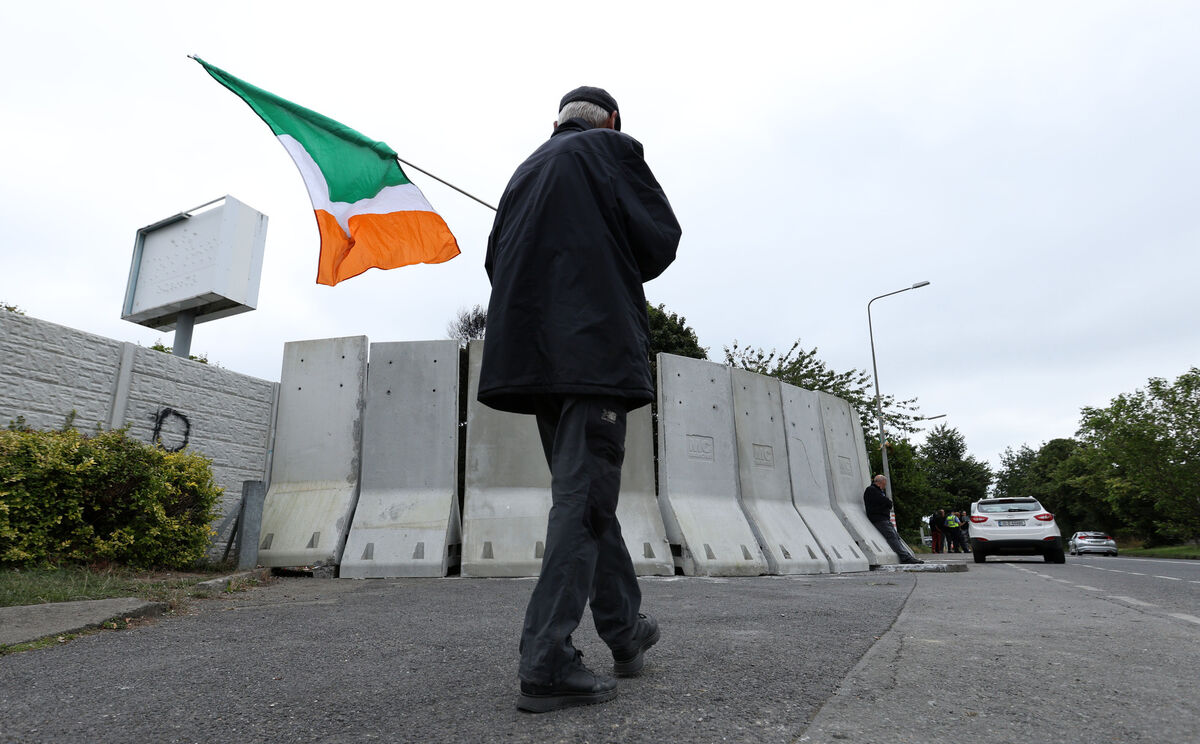
The Garda public order units arrived in Coolock after a group broke into the old Crown Paints factory, which was preparing for asylum seekers, where they assaulted a security guard, stole and destroyed mattresses and set a digger on fire.
Like it or not, the far right now have a legitimate voice.
Post the local elections, they have, depending on your definitions, at least four people elected to local councils.
And on Monday, all of them exploited significant public disorder in a Dublin suburb to flex their vocal muscles — two councillors in particular.
That is not to mention far-right candidates who did not get elected.
One of the two prominent councillors, Patrick Quinlan, newly elected for the National Party in west Dublin, even got pepper sprayed, when confronting, and declining to move, from advancing riot squad gardaí.
The public order units arrived in Coolock after a group broke into the old Crown Paints factory, which was preparing for asylum seekers, where they assaulted a security guard, stole and destroyed mattresses and set a digger on fire.
Mr Quinlan told the gardaí they were part of a plot to ensure the mass “plantation” of the country — and likened gardaí to the British Empire and the “genocide” they caused in Ireland.
“You should be ashamed of yourselves,” he told them, before they moved forward and pushed him down the road with their shields.
Cllr Quinlan stopped to pick up glasses and got pepper sprayed. He walked slowly and kept being pushed by gardaí. But his performance went down well online in far-right circles, getting plenty of praise.
But it was Cllr Gavin Pepper, elected in Finglas-Ballymun in the local elections, that has raised a few eyebrows inside Garda HQ.
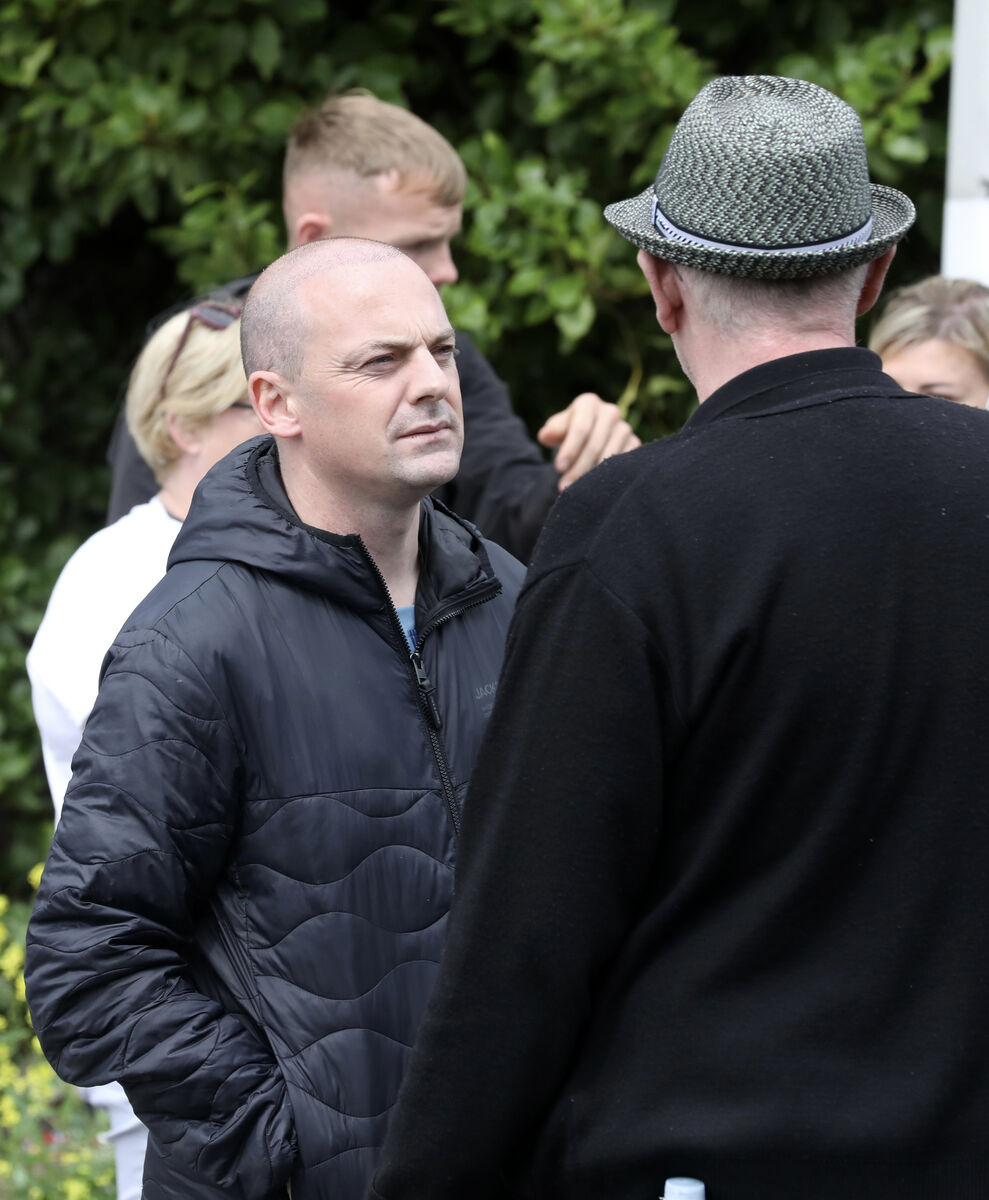
Soon after the blaze, with the smouldering digger in the background and a heavily masked man standing behind him, Cllr Pepper recorded a piece to camera and uploaded it. He accused the Government of wanting civil unrest.
“Are yis looking for civil unrest on the streets of Dublin and across the country — is that what it is yis want?” He asked the Government what they did think was going to happen.
“What do you think the end result is going to be? Yis are looking for civil unrest in this country — there’s no other way of putting it.
“If you chose not to listen this is the end result of it. Coolock says no and, look it, what do you expect to happen?” He finished: “You need to send these illegal migrants home — the people had enough.”
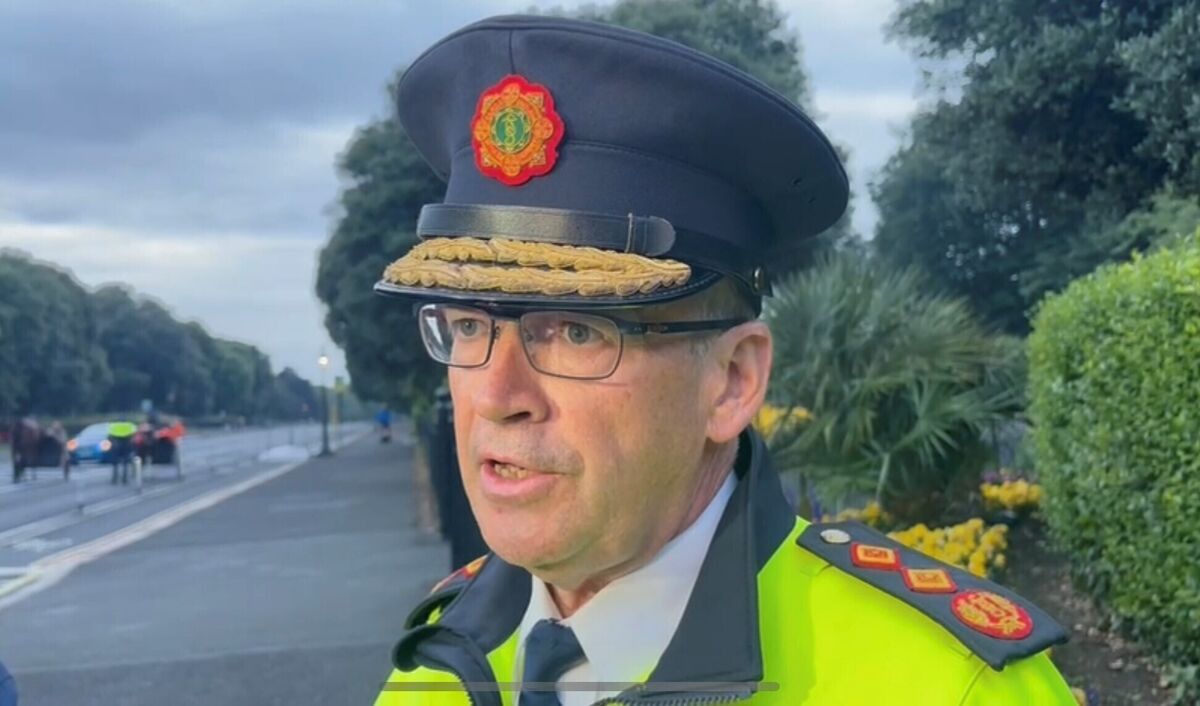
On Tuesday morning he went further, this time focusing on the Garda Commissioner, with defamatory, and entirely unfounded, slurs: “Garda Commissioner Drew Harris sat in Coolock Garda Station all day yesterday, orchestrating the entire riot.
“He is bringing sectarian violence from Northern Ireland to our streets.” Cllr Pepper continued: “The people of Coolock are not sectarian, Mr Harris. These are the bully tactics that the RUC used for years against Catholic and nationalist residents.”
This trope of the Gardaí being the RUC or the Black and Tans has been thrown out by the Irish far right in recent few years, accelerating this year.
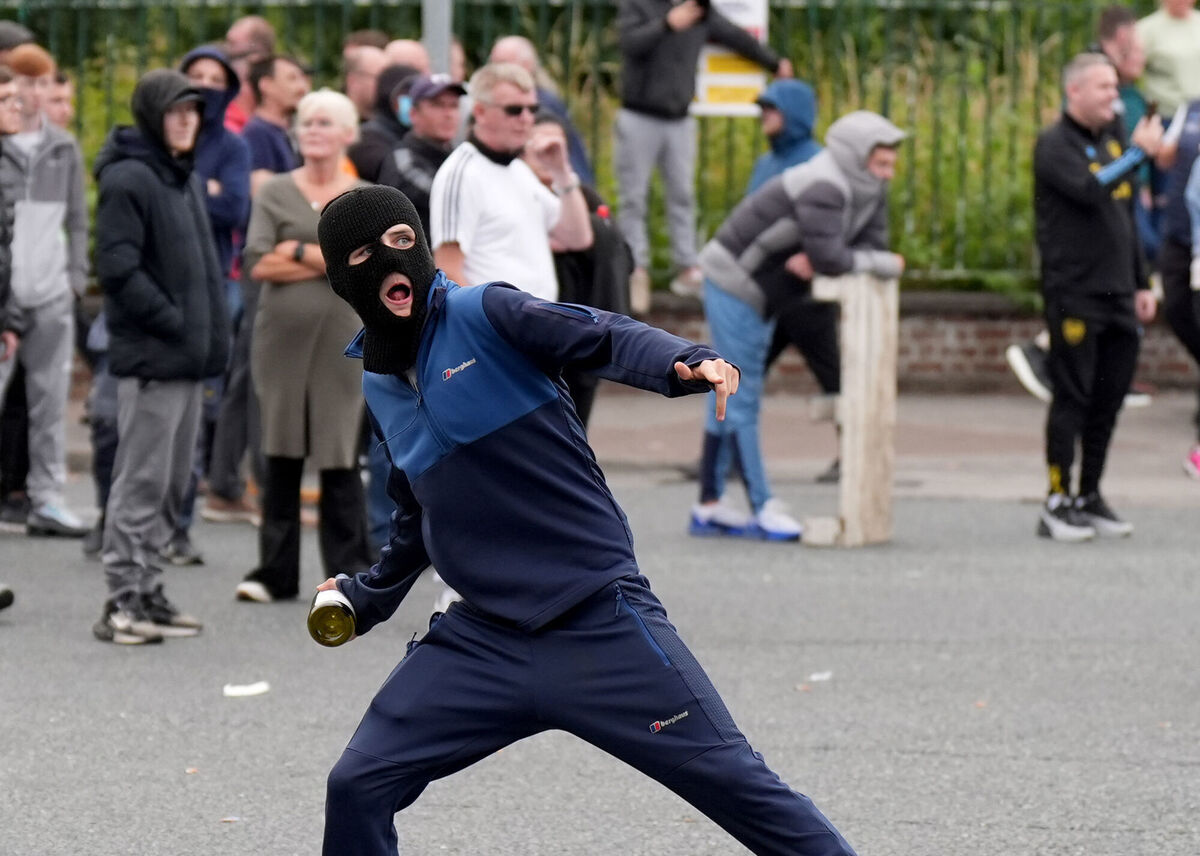
Cllr Pepper had nothing to say about the violence on the streets — the rocks, bricks and bottles thrown at gardaí — the blocking of buses in the locality, nor the wanton damage on two marked Garda cars, parked up outside Coolock Garda Station.
Videos circulated showed mainly young men and teenagers smashing the windows and jumping up and down on the roofs.
There was little sign that concerns about the planned asylum site played much, if any, part in the motivation of the young men, and boys, engaged in the disorder.
Videos showed the youths, wearing balaclavas and other masks, taking the opportunity to have a go at gardaí and basically run riot.
But while the disorder may have been carried out by young men driven more by the adrenaline of confrontations with gardaí, officers are keeping a close eye on those individuals fuelling the disorder and the social media platforms spreading the division and hate.
There was a well-known far-right player posting videos early on Monday morning.
This individual told his viewers “it’s happening lads” and said “bodies needed” down at the Crown Paints factory, telling people the makeshift ‘Coolock Says No’ camp had been taken down.
This person took videos over the wall of the site showing the mattresses, that were later stolen and burned, the workers on site and a mini digger and the large digger that was subsequently set on fire.
Later in the morning, a separate video recorded by an unknown person, showed a relatively small number of people, mainly with their faces covered, inside the site, grabbing the mattresses and dragging them back out to the entrance to set on fire.
Audio on the video records a man, shouting: “Burn the digger, the digger – we need petrol.” A second male voice replies: “Yeah, the digger is lighted”.
Other players in the far-right scene, including some candidates, urged people to get to the site — a call repeated for a large protest for 6pm, when the worst of the violence and confrontations took place.
A key part of the garda investigation will be identifying those parties suspected of inciting violence at the Crown Paints site, those encouraging and taking direct part in the arson, and those who later encouraged or incited disorder on social media.
As the reported, gardaí will examine if they can build a case against suspects on terrorism charges.
That road is one gardaí — and, moreover, the DPP — have not yet gone down, with some sources pointing to a wider, political, context and a fear that such a move could give them legitimacy and oxygen.
But equally there is a view among some of the need to “send a signal” that this behaviour essentially mounts to domestic terrorism.
Commissioner Harris is also getting it from the Garda Representative Association, representing frontline gardaí, who have expressed strong concerns at the delay in the deployment of public order units and the danger, they say, posed to members — repeating in many ways their concerns after the Dublin riots last November.
There is a concern among many that a garda could be very seriously injured at some stage. And posts on far-right Telegram channels would not dissuade that fear. On one popular channel, a poster said that gardaí “have made themselves legitimate targets”.
Another warned the country “was heading into a conflict”. A group that set up a similar channel told its members that a “civil war” was coming, part of it involving “patriots” targeting the gardaí and the government “for execution”.
Many might discount these as ramblings of an unhinged, tiny minority, but social media is pumping this stuff out to those willing, or vulnerable, to hearing it — and, gardaí fear, possibly, acting on it.
On a political level, the far right is still fragmented, and small, in Ireland, though there was a noticeable effort on Monday among far-right politicians, elected and otherwise, to give a show of unity.
Ireland First president Derek Blighe who got 25,000 first-preference votes in the European elections last month, travelled from Cork to Dublin to show solidarity. Along with Quinlan and Adrian Cahill of the Irish People, Blighe announced an “alliance” and urged independents to join them.
They know there is a general election ahead — and they are gearing up for it.
CONNECT WITH US TODAY



Be the first to know the latest news and updates