Finally making progress on tackling crime of human trafficking
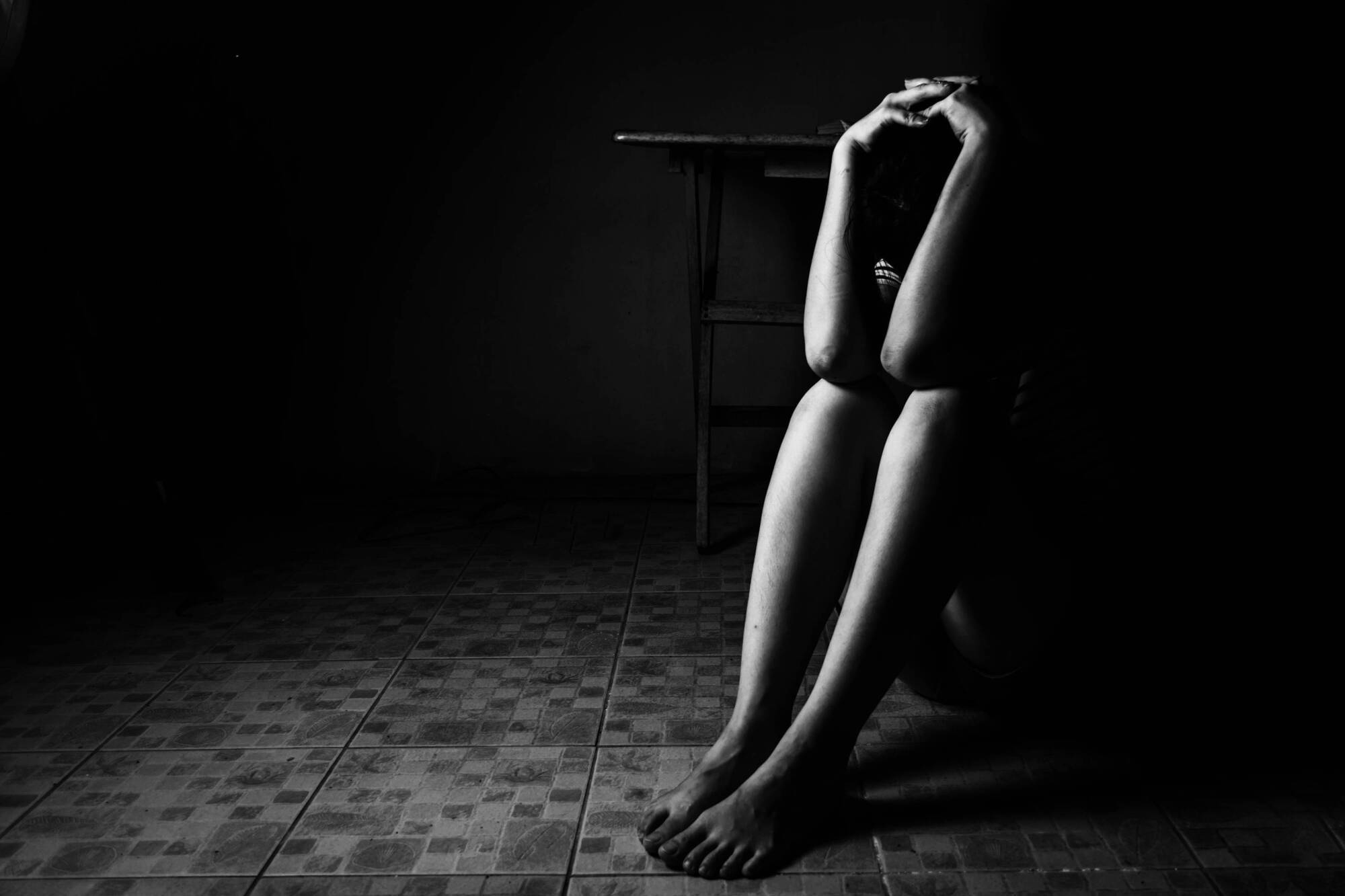
It is suspected hundreds of people are trafficked into and across Ireland every year to work in Ireland’s burgeoning sex trade, or in this country’s shadow economy. File Picture: iStock
It could be the woman who you meet daily at the garden wall as she takes clothes out to hang on the line. It might be the person helping you to choose the perfect nail colour to match your outfit for next weekend’s wedding. It may even be the person sitting across from you on the train, careful not to make eye contact or start a conversation with you but not standing out in any other way.
Hidden in plain sight.
It could be the man working on the farm down the roads, or the teenager cleaning your room during your hotel stay.
Again, hidden in plain sight.
These people who may be a fleeting part of your every day life could be hiding a secret that you are not aware of — that they are among the suspected hundreds of people trafficked into and across Ireland every year to work in Ireland’s burgeoning sex trade, or in this country’s shadow economy.
Ireland is just two days away from enacting legislation which will introduce a new national referral mechanism (NRM), through the Criminal Law (Sexual Offences and Human Trafficking Bill) 2023. It will be enacted on Wednesday, before the end of the Dáil term. It is hoped that the measure will tempt people trapped in homes and industries by trafficking gangs to face their fear and come forward to seek help and a release from the clutches of those controlling their lives and their bank accounts.
Up to now, victims of human trafficking in Ireland can only be formally identified by gardaí. Following the establishment of the new mechanism, other State agencies and NGOs will be involved in the formal recognition of victims, with agencies in the sector expecting an increase in referrals as a result.
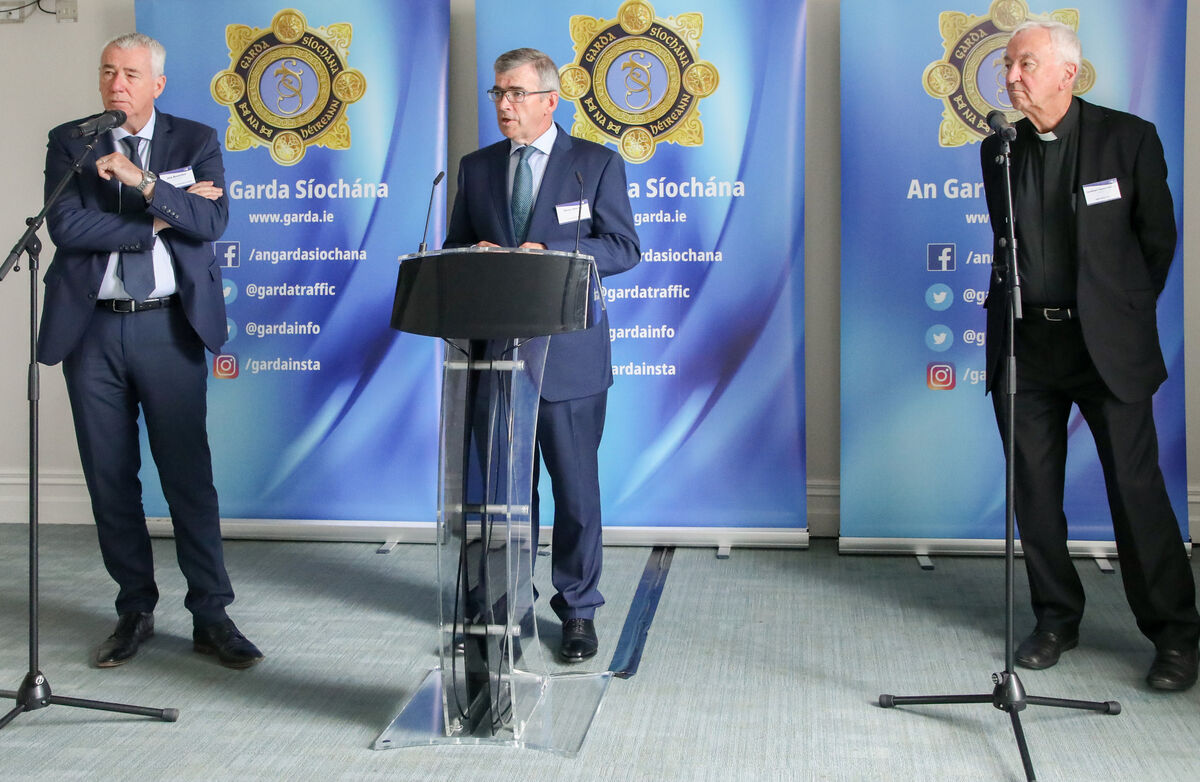
The current system was singled out for criticism last week in the US State Department’s Trafficking in Persons report, published two days before a conference in Cork involving gardaí, the PSNI, and the Santa Marta organisation set in train a decade ago by Pope Francis.
The report stated in relation to Ireland’s performance in 2023 in relation to human trafficking that “the government did not convict any traffickers for trafficking and instead relied on non-trafficking statutes that may have, at times, resulted in inadequate penalties and has never convicted a trafficker for labour trafficking under its anti-trafficking law. Systemic deficiencies in victim identification, referral, and assistance persisted; the government did not amend its NRM [national referral mechanism] and, consequently, did not identify any Irish nationals as victims.”
The reason why Ireland is being criticised for failing to introduce the long-awaited NRM was detailed with shocking figures from both sides of the border at the conference in Cork last week.
PSNI chief constable Jon Boutcher said: “We have seen in the PSNI in the last 12 months, 501 referrals, 38 different nationalities involved. Of those, a significant number from sub-Saharan countries. There is nowhere out of reach of this crime.”
He continued: “In the last 12 months, we focused on seven organised crime groups involved in human trafficking and modern slavery. I would say four of those groups have been significantly impacted in their ability to conduct these awful crimes. The two highest risk groups we are currently in the process of the criminal justice processes. We have saved at least 50 people from the clutches of these groups and we work hand in glove with the Garda around a number of these operations.”
Garda Commissioner Drew Harris knows that the corresponding figures for the Republic are far from the reality of the situation regarding human trafficking and exploitation south of the border.
He admitted: “When we see what is being reported through the referral mechanisms in Northern Ireland, then comparatively we must be in a similar position. The NRM which is coming online will make a big difference in terms of what we know about and the statistics we have and therefore, where we want to concentrate our efforts.”
He added: “It covers a number of areas — exploitation through prostitution, exploitation in terms of labour but also then criminal exploitation. And these are happening in Ireland.”
He continued: “It is a crime that doesn’t respect borders, it is a crime where a huge amount of money is made, second worldwide to drugs in terms of the criminal revenue and it is something we should all be concerned about, particularly as it is so degrading to human beings.”
He said that there have been situations where neighbours have noticed something about someone which raised concerns about the possibility of trafficking, including seeing a person carrying out domestic duties and never leaving the premises, day after day, “working away, from early in the morning to late at night.”
In its response to last week’s report from the US State Department, the Irish Human Rights and Equality Commission has come strongly in calling for a compensation model for victims of human trafficking in Ireland.
In its role as the National Rapporteur on Trafficking of Human Beings, the commission is calling on the State to explore the possibility of ring-fencing funding for compensation for victims, partially through the confiscated proceeds of crime from trafficking and other related offences. It recommends that the Law Reform Commission considers the specific needs of trafficked victims in its review of compensation.
Chief Constable Boutcher has previously worked in investigations in the UK targeting human traffickers.
He says he has seen what victims have been subjected to in those cases, describing conditions as degrading.
He is keen to stress that the current debates in several European countries about immigration must not be allowed to impact how countries deal with victims of trafficking.
“Immigration is a key debate in elections around the world at the moment.
"We need to make sure we don’t allow that to happen. By very good fortune, most people in this room have probably never experienced, even by relationship or witnessing, any sorts of these crimes. We are very lucky. Not everybody around the world is as lucky as us. Not everybody in Ireland or Northern Ireland or the United Kingdom is as lucky as us.”
The roll out of the NRM is a key step in appeasing the critics of the Republic’s progress on tackling human trafficking at a time of massive movement of people across the globe. However, it is clear that there is some way to go, with the enactment of the new bill on Wednesday being the first step.
CONNECT WITH US TODAY



Be the first to know the latest news and updates