EVs can help steer us in right direction for climate targets
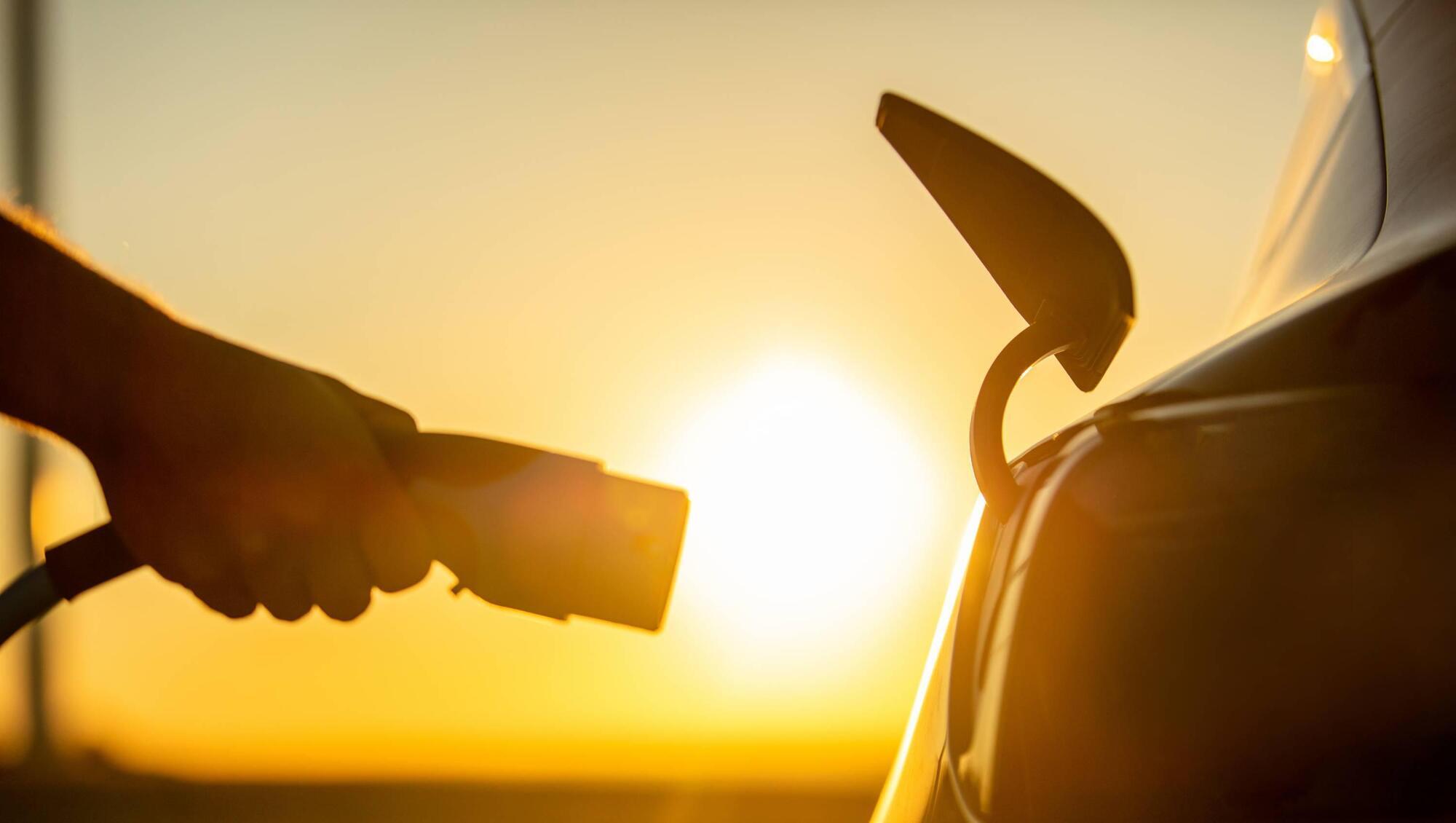
Sales of electric vehicles have fallen by 21.8% year-on-year
EVs can help steer us in right direction for climate targets

Ireland’s EV sales have fallen off a cliff since the Government cut grants last July. 

Ireland is dangerously off course to meet its emissions reduction targets by 2030. 

While we have committed to legally-binding cuts of 51%, we are currently on course for an absolute best-case scenario of 29%.


Failure to meet these targets won’t only result in a minimum of a €5bn fine, but will also greatly threaten the health and future of every person across Ireland in the face of the climate emergency.

Which is why it is so significant that Ireland’s EV sales have fallen off a cliff since the Government cut grants last July. 

The fall in sales was almost immediate, and the latest data published this week by the Society of the Irish Motor Industry showed that EV sales have fallen by 21.8% year-on-year.

CLIMATE & SUSTAINABILITY HUB

As a result, 87% of all new cars sold in Ireland so far this year are entirely reliant on fossil fuels — the leading cause of the climate crisis — and will be for the entirety of their life, which is typically around 12 years for the average car. 

As such, any car sold today will be emitting harmful greenhouse gases well into the middle of the 2030s, and will be doing so at an ever-greater cost to the driver and society.

Some 87% of all new cars sold in Ireland so far this year are entirely reliant on fossil fuels.

EVs are not a silver bullet. 

They perpetuate many of the issues that all cars do, such as the amount of space we dedicate to parking for them. 

And we absolutely need more provision for safe active travel and convenient public transport, but we’re not making enough progress on these fronts either and our low population density complicates things further.

However, transport is Ireland’s second biggest source of emissions and cars account for the majority of this. 

As such, electrifying transport represents an opportunity to rapidly reduce our emissions to benefit not only our climate goals but also improve public health.

This is particularly crucial when around 1,300 people die prematurely in Ireland each year due to air pollution.

With growing culture wars around cutting emissions in other sectors causing more delays on much-needed urgent climate action, electrifying transport should be a quick and easy win.

We know this thanks to the rapid uptake of EVs in almost every other country in Europe, not to mention the US and China. 

Yet here in Ireland we have veered far off course for both our EV sales and charging infrastructure targets (we’re one of only eight EU countries who won’t meet our 2024 charging targets).

Ongoing misinformation and commercial interests have certainly played a role in the slow uptake of electric vehicles in Ireland, but the direct correlation between the cut in grants and the immediate decline in sales shows that things can be turned around quickly — if there is a genuine intent to act on emissions.

Reinstating better incentives is the first place to start, and these should be means-tested to benefit those who are replacing internal combustion engine vehicles and those who need the most financial assistance, rather than those who are just adding to their existing fleet of vehicles.

There is an even greater opportunity to tackle energy poverty here if we incentivise the sale of EVs and solar together. 

EVs can act as a store for renewable energy — after all, they’re just a big battery on wheels — and with vehicle-to-grid systems it is possible to run our homes on the energy we store in our cars.

With significantly lower running costs, this could save the average Irish family thousands each year, while also providing back-up energy when winter storms cause power outages. 

This could also alleviate the pressure on the grid over the coming decades too.

But we need to look beyond incentivising new car sales and remove the barriers to more affordable EVs, with the initial cost being the biggest barrier. 

The direct correlation between the cut in grants and the immediate decline in sales shows that things can be turned around quickly.

Britian has a significantly more mature second-hand EV market with cars costing half what they do here. 

Removing the Vat and VRT from the import of smaller, non-SUV second hand EVs would be a sensible and impactful start for getting back on track.

If we are actually going to be a progressive nation when it comes to decarbonising private vehicles, our Government should follow France’s lead and look to subsidise ICE to EV conversions.

This process replaces engines with motors and fuel tanks with batteries, meaning less demand for raw materials, fewer emissions and less waste too. 

This can be done quickly and affordably too, with some European companies doing it for €5,000 thanks to Government support.

These kinds of circular economies make a big difference and act in the best interests of citizens rather than multi-billion-euro companies.

There are no ifs and buts, we are worryingly off course, and the climate emergency simply will not wait. If anything, it appears to be gathering speed.

We must do all we can to reduce emissions and decarbonise as rapidly as possible, safe in the knowledge that every euro we spend now will come back to us manyfold in the coming years, while staving off future fines and ever-worsening climate, ecological and biodiversity disasters that we simply cannot mitigate.

It’s time for us to not only step up as a nation and deliver what was promised, but to show that we can set an example to follow.

  • Tom Spencer is editor of IrishEVs

x

CLIMATE & SUSTAINABILITY HUB

More in this section

Revoiced

Newsletter

Sign up to the best reads of the week from irishexaminer.com selected just for you.

Cookie Policy Privacy Policy Brand Safety FAQ Help Contact Us Terms and Conditions

© Examiner Echo Group Limited