Failure to address salt intake has bitter consequences for the public
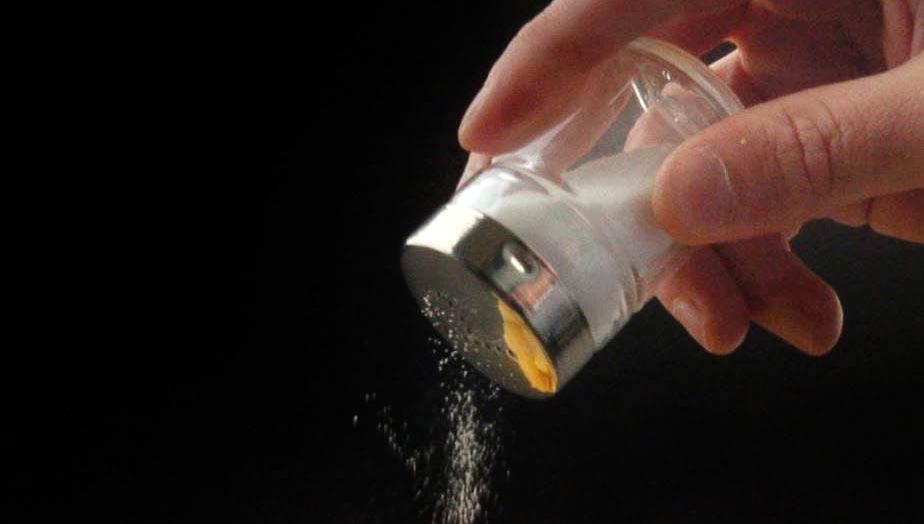
Mounting evidence over several decades shows clearly that high levels of salt in the diet is the major cause of cardiovascular risk.
The rate at which people are dying from chronic diseases like heart disease, respiratory disease, and stroke has fallen significantly in the last decade according to the latest trends published by the Department of Health.
The report, Health in Ireland: Key Trends 2023, says that over the period 2013-2022, the death rate from heart disease fell by a third (33.4%), the death rate from circulatory system diseases like heart disease and stroke fell by a quarter (25.1%), the death rate from respiratory illness also fell by a quarter (24.5%), while the death rate from cancer mortality fell by 11.4%.
Health Minister Stephen Donnelly said our health service is continuing to deliver outcomes that are in many instances among the best in Europe.
"Ireland is among a small group of seven EU countries where life expectancy at birth is above 82. This is the result of significant improvements in our mortality rates for many of the common causes of death over the past decade."Â
He qualified this success story by spelling out the key challenge.
"Key Trends shows us that the largest proportionate increase in population over the next two decades is projected to occur among those aged 85 years and older, with the number of people aged 65 and older projected to grow from one-fifth to over one-third of the working population in the same period."Â
There lies the nub of the problem. Despite significant improvements in treatment and detection and some lifestyle changes — the population is growing and growing older rapidly, leading to a healthcare system that is buckling under the strain.
State-of-the-art treatment services are essential. As important are state-of-the-art programmes to turn off the tap of chronic disease.
One in four deaths in Ireland is due to cerebrovascular disease (CVD) and it is estimated that 80% of premature heart disease and stroke is preventable. This was spelled out in a report produced for the Irish Heart Foundation last November by the School of Public Health at University College Cork (UCC).
The position paper compiled by Prof Ivan Perry recommends radical action — similar to Ireland’s 2004 ban on smoking in the workplace — to deal with CVD and other serious diseases.
"Without the implementation of bold policy initiatives, we can expect continued and increased deaths and ill health driven by risk factors," warned Prof Perry.
Key recommendations include a complete ban on the marketing of food and drinks high in salt, fat, sugar, and an increase in the legal age to be sold tobacco from 18 to 21.
However, the evidence shows that a mandatory limit on salt in the manufacture of bread and other processed foods leads the way as the cheapest strategy to reduce CVD.
CVD remains one of the top causes of premature death and disability in Ireland, accounting for 8,753 deaths or just over a quarter (26.5%) of all deaths in 2021. Diet is a key risk factor for CVD via indirect effects on risk factors, such as body weight, diabetes, and blood pressure (BP). The evidence shows that poor diet is the single biggest risk factor for chronic illness — exceeding the combined effects of tobacco, alcohol, and physical inactivity.
A critical risk factor is salt. As blood pressure rises, so does the risk of CVD, starting at 115/75mmHg. But contrary to what you would expect, most CVD events occur in individuals at the lower end of the BP scale of approximately 130/80mmHg because of the larger numbers of people in the population with BP at this level.
Given that clinical guidelines do not recommend treating these individuals at the lower end of the scale with blood pressure-lowering drugs, population-wide interventions that focus on the underlying causes of hypertension — including suboptimal diet, physical activity levels, and alcohol intake in the whole population are critical to reducing levels of CVD in that population.
Mounting evidence over several decades shows clearly that high levels of salt in the diet is the major cause of raised BP and that a reduction in salt intake lowers BP and cardiovascular risk.

The cardiovascular benefits of reduced salt intake are similar to population-wide reductions in tobacco use, obesity, and cholesterol levels. While people are well aware of the harms caused by tobacco, obesity, and cholesterol, relatively little attention is paid to salt, either in processed food including bread, or sprinkled liberally on everything from a boiled egg, a bowl of porridge, or a plate of chips.
Without the implementation of bold policy initiatives, we can expect continued and increased deaths and ill health driven by risk factors.
In April 2022, the Spanish government introduced a mandatory limit of 1.31g of salt per 100g of bread (13.1g of salt per kilogram of bread). The mandatory upper limit was announced in May 2019, giving the food industry three years to make the required adjustments to manufacturing processes. Prof Perry noted in his report that mandatory reformulation is permissible under current EU single market regulations.
"We recommend that Ireland adopt a similar approach and specify mandatory upper limits to the salt content of bread, and other major sources of salt in the Irish diet, such as processed meat, with a two-to-three-year lead-time.
"This would lead to significant reductions in population-level salt intakes in Ireland, with positive impact on CVD morbidity and mortality," Prof Perry concluded.
There is robust evidence to show that mandatory limits on the salt content of bread and other processed foods is one of the most effective, cost-effective, and equitable approaches to management of CVD.
A comprehensive evidence-based report has been published demonstrating the efficacy of mandatory limits on the salt content of bread and processed meat to radically alter risk, prevalence, and mortality of CVD in Ireland.
Prof Perry’s team in the UCC School of Public Health and the IHF have provided the Department of Health with a ‘gift horse’ just when they need it most.
How long will it take for Minister for Health Stephen Donnelly and the Department of Health to see it that way?