Yes, Minister: How will Sinn Féin and civil servants get on?
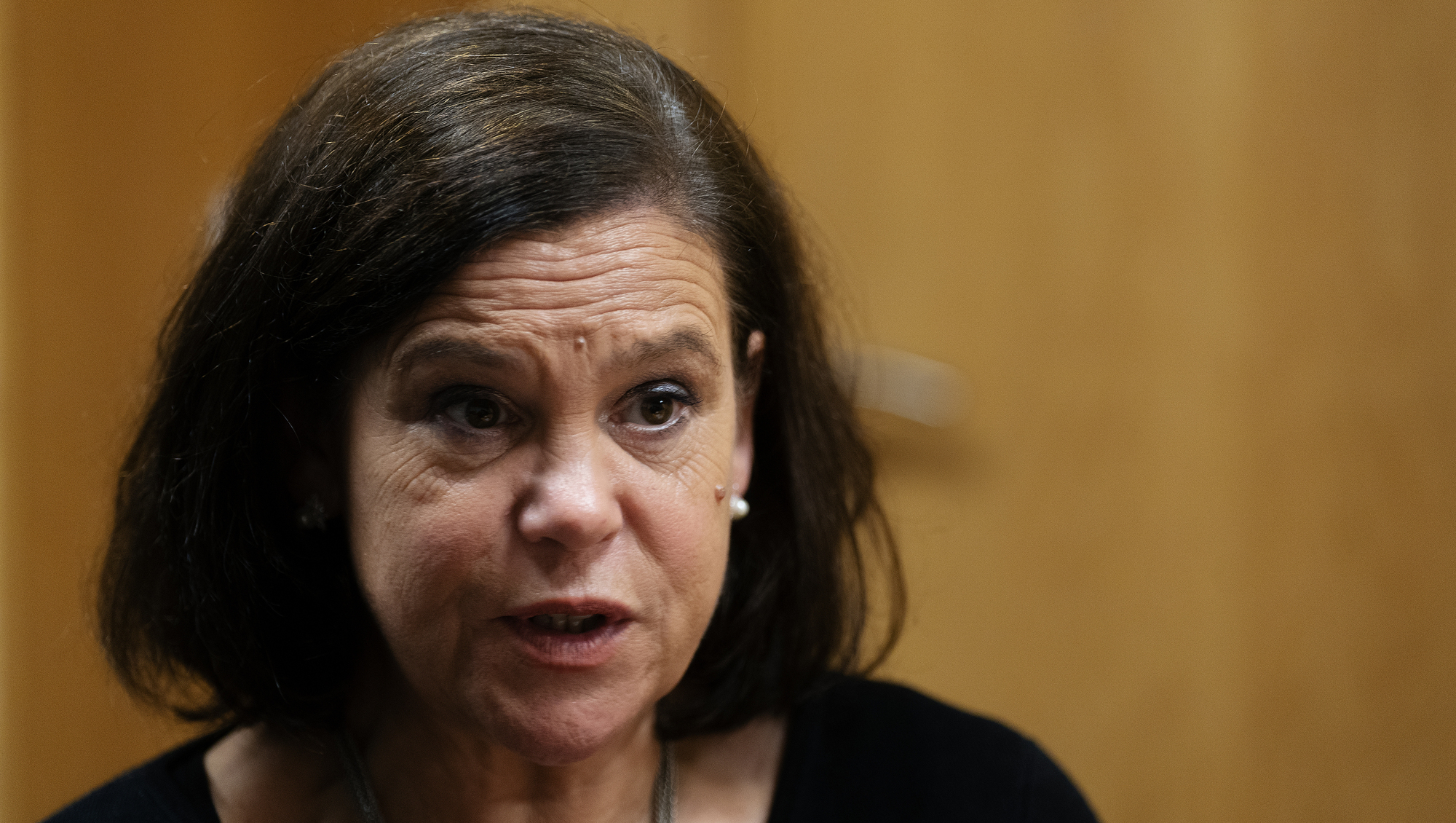
While there has been much speculation around which political offering Mary Lou McDonald might do a coalition deal with after the next election, it's the permanent government that her party would be wise to focus on. Picture: Brian Lawless/PA
"Who is really in charge of running the country?" asked Fianna Fáil's John McGuinness writing in the back in 2022.
It's a question that Sinn Féin might want to contemplate ahead of the next general election.
While there has been much speculation around which political offering Mary Lou McDonald might do a coalition deal with after the next election, it's the permanent government that her party would be wise to focus on.
Unlike Fianna Fáil and Fine Gael — two parties that have rotated in and out of Government since the foundation of the State — civil servants have no experience of dealing with Sinn Féin as office holders.
That corporate memory simply doesn't exit for either side.
Added to the mix is the fact that McDonald hasn't exactly been glowing in her summation of senior department staff, suggesting in an interview that tackling the "constipated" public and civil service would be one of the biggest challenges for Sinn Féin in government.
The party's housing spokesperson Eoin Ó Broin also drew criticism in 2022 and was forced to apologise directly to chief economist in the Department of Finance, John McCarthy, after he said he should be sacked.
Much of the interaction between Sinn Féin's elected representatives and senior members of the civil service happens in what can be the highly adversarial setting of Oireachtas committee hearings.
Many of Sinn Féin's frontbench may now have considerable experience as opposition spokespeople, but they have never walked the ministerial halls, let alone worked closely with senior civil servants on policy, budgetary matters, or international diplomacy.
Compare this to 2020 when the current coalition was formed, seven members of the new Cabinet returned to the black-and-white tiled corridor in Government Buildings where they had occupied offices in previous coalitions. Another three members had served as TDs in government.
One experienced minister said it will always take "one cycle" of getting through "one estimates campaign, one budget and one crisis" before politicians really settle into their portfolio.
He stressed, however, that even as a first-time minister he could rely on his politically appointed advisers and other party members who had prior experience of working in the system.
"The difference for Sinn Féin will be the whole party will be new to Government."
The steep learning curve that Sinn Féin in government would have to ascend was highlighted by one first-time minister who said: "Certainly you're more wise to possibilities of delays, or reviews, or attempts to kick the can down the road now than maybe at the start."
McDonald will of course be able to point to her party's experience in power sharing in the North which has put it in contact with the workings of a civil service.
But it will still take some time for Sinn Féin ministers to get comfortable behind department desks.