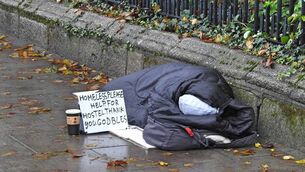
Why has the race for Limerick mayor not begun?
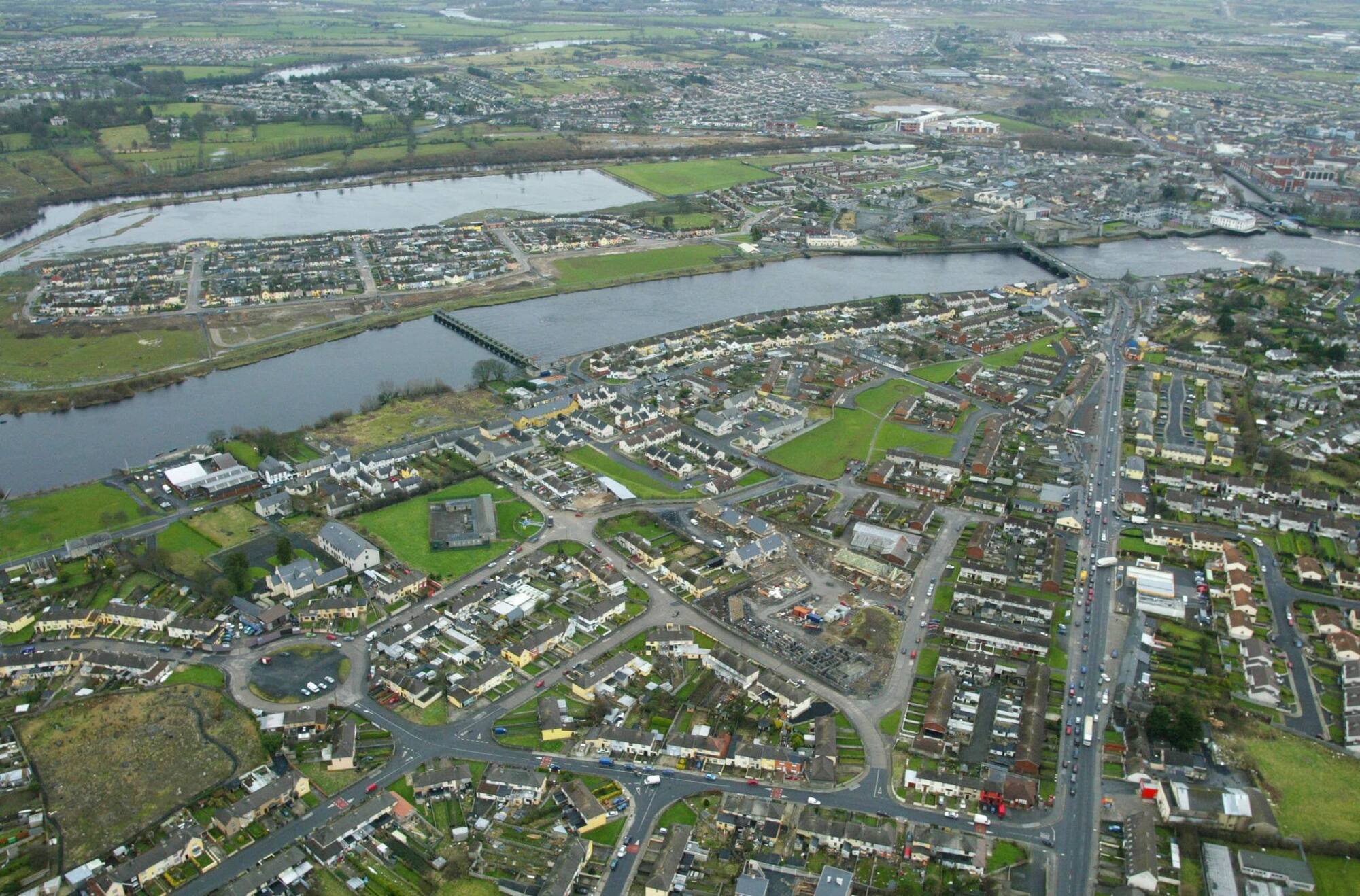
Limerick has a multitude of challenges, including soaring housing waiting lists, a staggering under-delivery on new homes, a pervasive issue with dereliction in the city centre and older neighbourhoods, as well as some of the highest residential and commercial vacancy rates in the country.
As the clock counts down to June 6, when Limerick chooses Ireland’s first directly-elected Mayor, where are the candidates? Is the final legislation — with watered-down mayoral powers — deterring potential candidates?
Many Limerick citizens are growing increasingly concerned that this potentially transformative moment will be another missed opportunity for the county. While local election candidates are all nominated, agreed, and beginning to canvas, there is still no live race for the office of Mayor.
In 2019, Limerick voted for local government reform when other cities declined. Limerick citizens voted to change how the council does its business and whose interests it represents, choosing instead a more progressive system of local decision-making based on the principle of subsidiarity. The people of Limerick voted for transparency and accountability and the ability to vote out politicians that do not put the needs of the City, County and its people first.
Limerick has a multitude of challenges, including soaring housing waiting lists, a staggering under-delivery on new homes, a pervasive issue with dereliction in the city centre and older neighbourhoods, as well as some of the highest residential and commercial vacancy rates in the country. The prospect of city centre housing remains a utopian dream, as does the concept of making Limerick a child-friendly city.
In this ‘post-homeownership society’ that Michael Byrne, Professor of Social Policy in UCD, describes as being rooted in generational and class-based inequality, the future looks increasingly precarious for young working-class families, facing increasing rents, childcare costs, energy and food costs.
In recent years Limerick city and county has recorded some of the highest levels of deprivation in the country, at a time of unprecedented regional investment in social and physical renewal under the Regeneration Programme.
Even the most rudimentary return on investment analysis raises questions about what and how Limerick keeps missing the mark when it comes to better outcomes for its citizens.
In the background looms humanity’s planetary crisis, disproportionately hitting those on low incomes or trapped in cyclical poverty. For many burdened with increasing costs of living, measures to avert the climate crisis become peripheral to or beyond their reach.
Those calling for climate mitigation measures, are vilified for being out of touch with the present challenges people face and consequently ignored. Issues such as air quality and livable, accessible cities where children and older people are safe to walk, cycle and play become niche and sidelined when these very ideas are at the centre of thriving cities across the world.
These divisions only serve to highlight the frailty of the notion of a common good or the true social order of equality, as set out in our constitution. These issues have been discussed nationally, regionally and locally and promises made — but who is ultimately responsible in a Local Authority where the decision-makers are unelected?
What happens when targets go unmet and the city continues to decline, with footfall hollowed out and small retail businesses closing? Why are we still wedded to offering red carpet treatment to the (rapidly disappearing) British high street chains to the detriment of local traders?
The beating heart of Limerick currently is commercial office development, with an abundance of commercial space developed in recent years and more planned. It’s as though Limerick is a place where people drive to work and leave again at 5pm, having extracted enough to keep FDI and those with vested interests happy.
The Opera Centre is a clear example of Limerick’s commercial ambitions, yet this development, which received regeneration funding to ensure accommodation was contained in the plan, will provide a paltry sum of 16 units of accommodation. While other cities are looking to convert disused commercial space to residential, Limerick continues to predominantly develop office space in the city centre.
The LDA’s Colbert Quarter, an ambitious city housing development appears to have shut its doors, as though it was a fleeting dream. The Cleeves site continues to remain vacant without any ‘meanwhile use’, except when the circus comes to town. This key waterfront property could be a creative hub for artists from all over the city and county, whilst city planners take decades to settle on its long-term use.
Because of the five years it has taken to finally set a date for this election with so much local authority prevarication and distrust, and lack of awareness at voter level, there is a real risk that this potentially transformative role causes further damage to Limerick, to its social and economic future and to levels of democratic engagement.
While much of the potential of the role will unfold slowly as the new mayor takes office and the local government structures re-arrange themselves around him or her, it is crucial that the people of Limerick are given a real opportunity to discuss and debate what they want from a mayor and what they really want for the future of their city and county.
- Anne Cronin is social researcher in UL with an interest in health and housing. She worked in the NGO homeless sector for 20 years and is Vice Chair Limerick Cycling Campaign.