Estelle Birdy: Why I'm voting No in the upcoming referendum on women's role in the home

After my maternity leave, I returned to a reasonably well-paid, if precarious, job. What of the single mother, living in relative poverty, forced through “economic necessity” to leave her children to work in a minimum-wage job and perhaps, unsociable hours? File picture: Pexels
In 1998, I had to leave my beloved first-born in a creche. My baby daughter was 13 weeks old.
Back then, statutory maternity leave payments ran for only 14 weeks, and I had done my best, working almost until I gave birth, to maximise my time with my baby afterwards. I had a working partner, but we simply couldn’t have afforded the mortgage had I not gone back to work. I had to leave my baby and my home out of “economic necessity”.
And not a single one of the well-known feminists or women’s rights groups had ever, to my knowledge, highlighted the recognition and the financial protection for women like me in Article 41.2. Constitutional protections that may have helped me and others like me, had they been asserted.
Writing in the Irish Times recently, Director of the National Women’s Council of Ireland (NWCI), Orla O’Connor, strongly urged a Yes vote in the upcoming referendums, just days after Minister Roderic O’Gorman, whose department is the main source of the NWCI’s funding, said that any ‘progressive’ organisation would have to explain its decision not to support the referendums.
Ms O’Connor’s remarks on the referendum pertaining to the removal and replacement of Article 41.2 of the Constitution were particularly surprising.
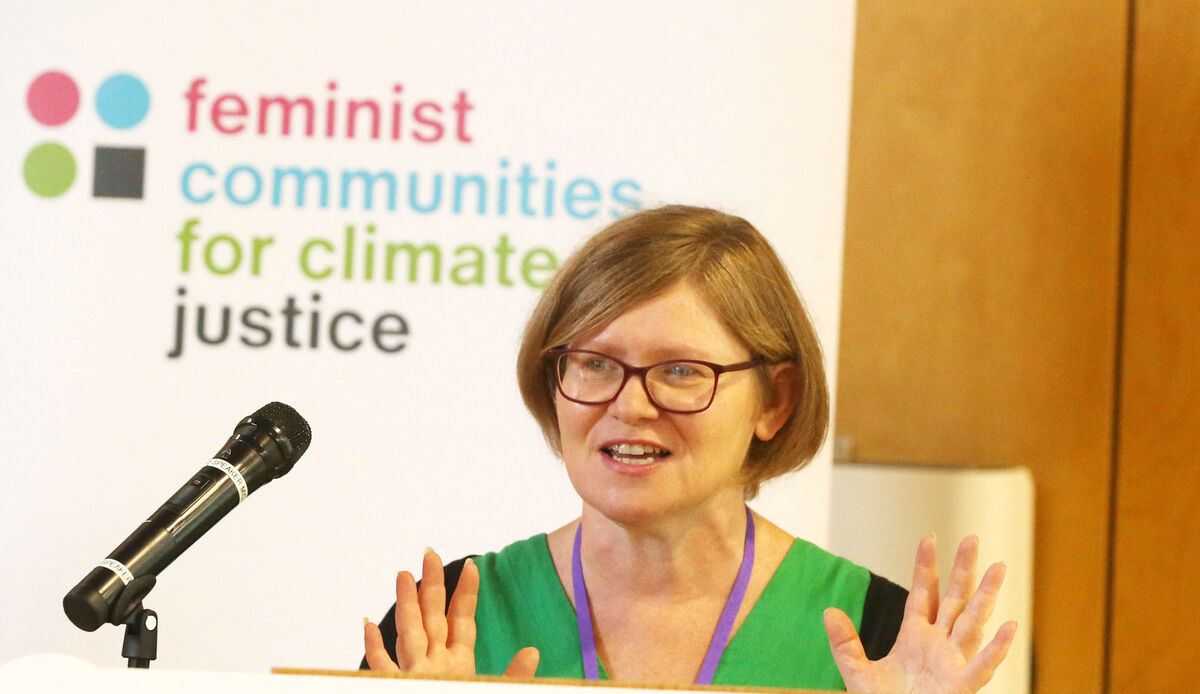
Article 41.2.1 states that the State “recognises that by her life within the home, woman gives to the State a support without which the common good cannot be achieved.” A strong acknowledgement of the value to society of women’s work in the home, one might have thought.
Ms O’Connor, however, is of the opinion that this Article “gives the State the oppressive role of keeping women from careers or employment of our own.” An odd assertion, given that Article 45.2.1. gives all “men and women equally” the right to work and earn money to keep themselves.
Article 41.2 goes on to add that, in recognition of the value to society of women’s work in the home, the State shall “endeavour to ensure that mothers shall not be obliged by economic necessity to engage in labour to the neglect of their duties in the home.”
Arguably, despite its slightly archaic language, this is a statement of the State’s intention to do all it can to ensure that mothers are not forced into the open labour market, away from their children, due to having to keep the wolf from the door. The Government’s proposal is to remove the current wording of the Article and all mention of “woman” and “mothers” and replace it with “gender neutral” language, referring to “carers” and watering down any aspirations regarding financial necessity.
Leader of the Labour Party, Ivana Bacik, has been campaigning for the removal of Article 41.2’s “sexist” language for years. However, she and her party, while they welcome the removal of Article 41.2 as it stands, are equivocating on supporting the Yes vote as they feel the language of the proposed amendment does not go far enough.
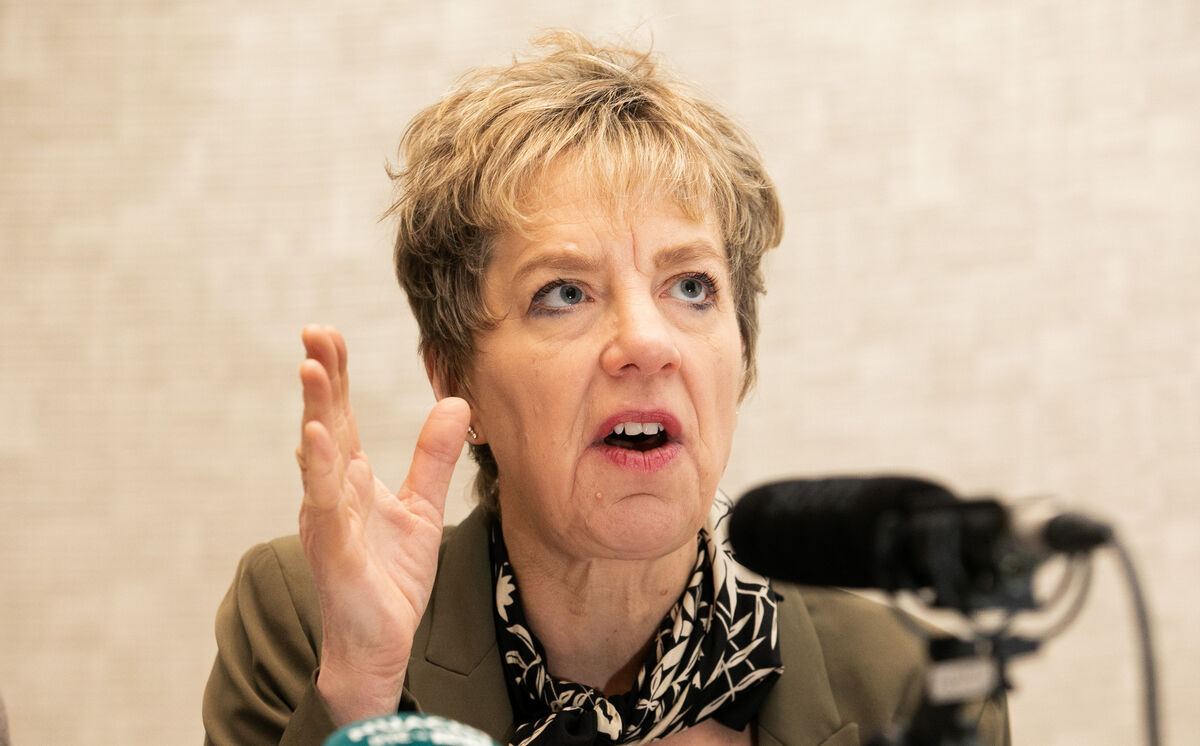
I’d suggest that the complete removal of any reference to women or mothers from Article 41.2 is going pretty far indeed. There are, or should be, practical implications for women arising out of the current Article 41.2.
After my maternity leave, I returned to a reasonably well-paid, if precarious, job. What of the single mother, living in relative poverty, forced through “economic necessity” to leave her children to work in a minimum-wage job and perhaps, unsociable hours?
For instance, in 2015, why didn’t the NWCI and Ivana Bacik, formerly Reid Professor of Law in Trinity College, mount a constitutional challenge on the basis of Article 41.2, on behalf of single mothers when the Labour Party’s Joan Burton, as Minister for Social Protection, removed the One Parent Family payment from parents whose children had reached the age of seven? Seven!
It’s easy to see why the State itself would not highlight these implied financial protections for women. Feminists and women’s rights campaigners though?
Both former Chief Justice, Susan Denham, and former Attorney General, Senator Michael McDowell, have stated that rather than limiting women’s lives, Article 41.2 recognises the value of women’s work in the home. Mr McDowell recently said that, arguably, the State has already accepted some financial obligations implied by the Article.
A 2017 survey of Irish mothers found that, given the choice, 62% of Irish mothers would prefer to stay at home to raise their children. It seems the Irish State and many Irish feminists, women I admire, particularly for their work on abortion rights, will not support women’s right to choose in this regard.
Women will be supported in their efforts to work in the general labour market and climb the career ladder, as I and all the women I know were, but they will not be supported to work in the home, to raise their children. This smacks of unambitious feminism.
I call for a feminism that elevates all women’s work in accordance with our Constitution, putting women and mothers at the centre of society. One that asserts women’s and mothers’ rights rather than calling for the removal of the recognition of our work and our protections.
Women, we must vote in large numbers on March 8, International Women’s Day. We must vote No.
- Estelle Birdy is a writer, book critic and feminist.
CONNECT WITH US TODAY



Be the first to know the latest news and updates