Éidín Ní Shé: The real 'failure' is judging hospitals solely on how fast they discharge patients
When the rapidity of patient discharge is the only metric that matters, the often complex needs of those patients are no longer the priority, writes Éidín Ní Shé
Éidín Ní Shé: The real 'failure' is judging hospitals solely on how fast they discharge patients

Hospitals deemed to be ‘failing’ to discharge patients quickly may in fact be achieving better outcomes for their patients than their peers — but we don’t know if that is the case, as the sole metric remains speed of discharge.

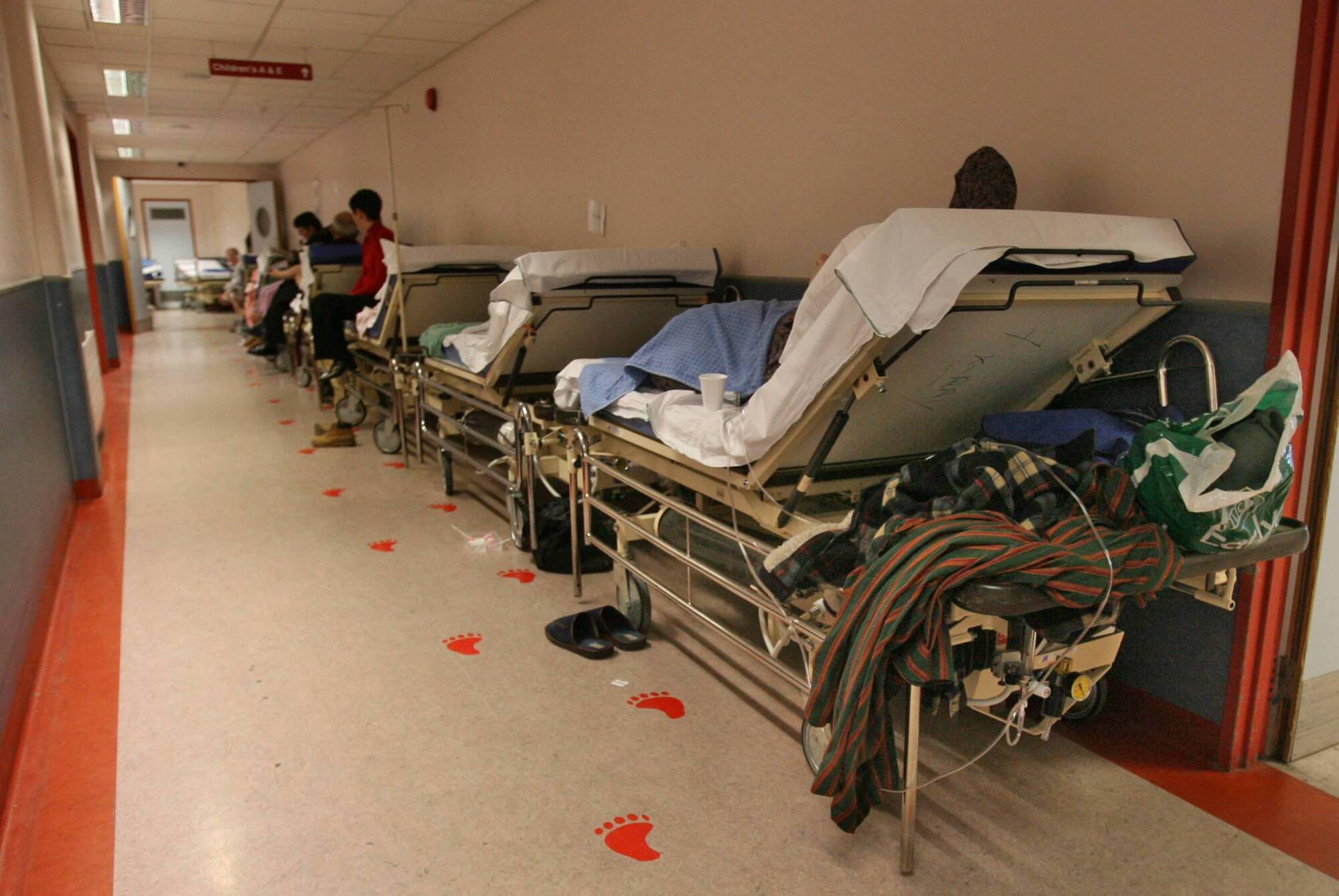
Trolleys across Irish hospitals are a year-round challenge. The issue is complex, aligned to a lack of bed capacity right across the system, limited integration, and no access to a sustainable workforce to spread and scale up community and homecare supports.

We have now entered peak trolley season, commencing in November and continuing through to March each year. Its usual patterns align with a peak in January with record-breaking numbers of people on trolleys.

This year, media focus has ramped up over the last few days. We have seen publications of league tables of “crowded hospitals” where the public can review where their local hospital ranks.

We also heard from Health Minister Stephen Donnelly who stated that some hospitals are “failing” to tackle overcrowding, noting the variance in discharges over weekends. According to the minister, these differences mean that some hospitals “are failing to do what needs to be done”.

Why patients are on trolleys

At the start of trolley season, it is essential to remind ourselves what a person on a trolley actually means. If a person is on a trolley, it’s because they have been assessed as being unwell. They are sick enough to be admitted to hospital but are waiting for a free bed to open up in a medical ward in the hospital.

The primary metric of success during trolley season is trying to keep the trolley numbers down so that media focus does not explode across the headlines. Discharge coordinators are tasked with moving people out of beds to transitional care beds, getting sent to nursing homes, or being discharged home.

The evidence is mixed on levels of informed shared decision-making people are given on their options at discharge. 

For example, little consideration is given of the impact of placing an older person in a nursing home that is a significant distance from where they live, or that has no direct public transport connection.

Very little resourcing is provided to enable active rehabilitation in such locations, amplifying the challenges of supporting a return home. The impacts of these can be devastating for the older person themselves and for their families.

When discharge is the only metric that matters, the complexity of people’s contexts is not considered. Failure within this lens is thus narrowed down to a simple metric of how many people are discharged out of beds.

Oireachtas health committee

Capturing what happens when a person is discharged is not a priority.

An example of this was outlined last week. Over 6,000 people attend a hospital each year from stroke. This number is expected to increase as our population ages. At the Oireachtas health committee, we heard about people’s experiences of being discharged from hospital after having a stroke. They said that they felt abandoned, outlining “huge gaps” in their aftercare and feeling “forgotten after discharge”.

An Irish Heart Foundation representative noted a lack of a “coherent implementation plan” and aligned staff within the Department of Health.

Book upends our idea of 'failure' 

Within the current metrics of success, a stroke patient is likely to be discharged without any supports. This should be a pause for us all to rethink this narrow definition of “failure”.

Amy Edmondson, professor of leadership at Harvard Business School, author of 'Right kind of wrong — Why learning to fail can teach is to thrive'. Picture: HBS.edu 

If I were to recommend a Christmas book to the minister, advisers, policy makers, and aligned managers it would be a recent one by Amy Edmondson, professor of leadership at Harvard Business School.

In Right kind of wrong — Why learning to fail can teach is to thrive, Professor Edmondson emphasised the importance of making work safe, and advanced the idea of psychological safety where members of a team can speak up without blame. She has been studying failure for decades, and her new book outlines three types of failure — basic, complex, and intelligent:

  • Basic failure is aligned to a single clear cause that leads to a bad outcome;
  • Complex failure links several elements together, resulting where any of the components could have caused failure but complex results in a perfect storm of failure;
  • Intelligent failure requires a focus on learning, change and openness. The focus is on capturing new knowledge and being open to change.

To enable this, our health and social system must focus on learning, allowing staff and those who access the service to speak up. They must feel safe to do so and the system must respond. There also must be opportunities to do things differently and be open to new metrics.

People trust our emergency departments as the point of entry when they are unwell.

The system needs to be responsive to their care needs. I could argue that some of the hospitals deemed to be “failing” may be doing things that we could learn from. They may be ensuring time for patient to identify their preferences or trying to get a homecare package set up.

However, we don’t know this, as the current metric of discharge is the only lens that matters. This is the real failure in our system that requires change.

  • Éidín Ní Shé is a senior lecturer in the Graduate School of Healthcare Management at the Royal College of Surgeons in Ireland

More in this section

Revoiced

Newsletter

Sign up to the best reads of the week from irishexaminer.com selected just for you.

Cookie Policy Privacy Policy Brand Safety FAQ Help Contact Us Terms and Conditions

© Examiner Echo Group Limited