Emma O'Kelly: RTÉ's 'vision' not in the public's best interest
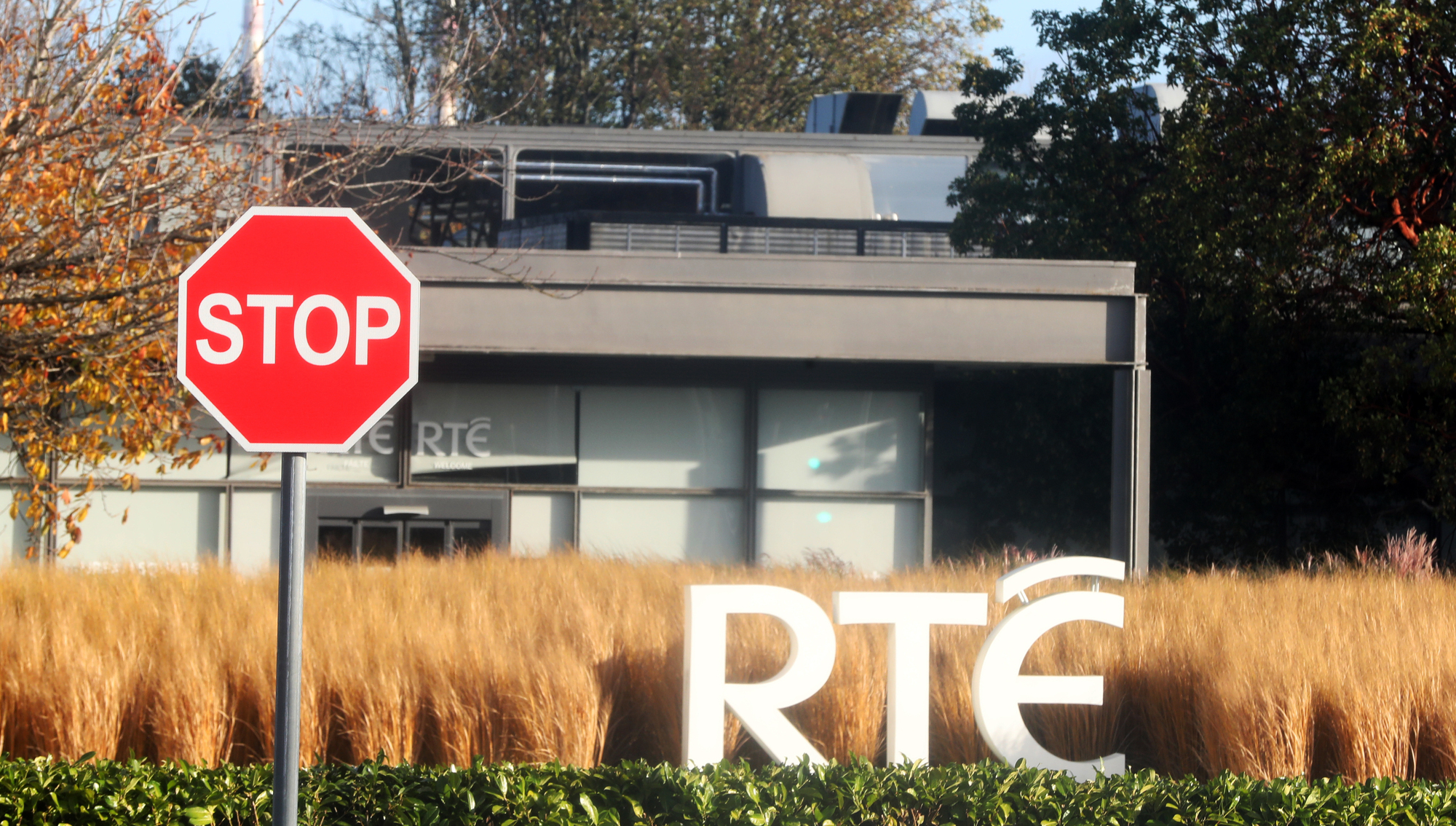
Staff at RTÉ are far from convinced that the strategy outlined by the scandal-hit State broadcaster this week is in the best interests of the public
Picture: Leah Farrell

Picture: Leah Farrell

The mood at Tuesday’s meeting between RTÉ director general Kevin Bakhurst and staff was sombre and subdued.

After the turmoil of the summer months, we all knew that the production of this new strategic ‘vision’ was the next action required of RTÉ by Government, and its broad outline — cuts to staffing and the privatisation of more programming — did not surprise many, although the scale of the proposed staffing cuts did.

One in five jobs at the broadcaster are to go.

They are two sides of the same coin. 

It is the farming out to the independent sector of programmes currently made in-house that will enable RTÉ to cut staffing to this degree. 

Those programmes — and we don’t yet know which they will be — are now likely to be made by people working on casual short-term contracts. This decision has consequences not just for people working in RTÉ but for anyone working to make programmes in Ireland, or hoping to. 

It means there will be up to 400 fewer stable and relatively secure jobs for them to aspire to.

There are many talented and creative people working in the independent sector. Staff in RTÉ know that full well. Many of us have come from the sector, and we have friends or family members working there. 

RTE director general Kevin Bakhurst met with staff on Tuesday.

Talent from the sector feeds in daily to RTÉ programmes both on TV and radio and it would be impossible for RTÉ to reflect the range and depth and richness of Irish experience without it.

But it is important to strike a balance.

When it comes to working conditions and job security, there may be some good practice in the independent sector but it is mostly a gig economy — short-term contracts, long working hours, and no entitlements such as pensions or holiday pay.

An old college friend who went on to work in the independent sector and made some brilliant programmes texted me on Tuesday. He reminded me of something one of our lecturers used to say; “Television eats talent”.

Writing about “the stress of living gig to gig”, my friend texted about “kids who spend their 20s and 30s working in edit suites 16 hours a day while their home lives evaporate”.

By the time they reach their mid-30s and 40s they have been “sucked dry” he wrote.

How do people in this situation get mortgage approval? How do they maintain their physical and mental health?

In one part of RTÉ, the horse has already bolted. 

One of the first acts of former director general Dee Forbes in 2017 was to shut down children’s programme-making in RTÉ. 

Since then — apart from the newsroom’s fantastic News2day children’s programme — RTÉ produces no TV programming at all for what is arguably our most important audience.

A vital function of public service media, to nurture a sense of national identity and cohesion, has for this impressionable age cohort been outsourced.

While some promises were made since 2017 to restore funding to children’s programming, the New Direction document copperfastens the 2017 decision. 

It says RTÉ will continue to provide content for young people “created primarily by Ireland’s independent production sector”.

Worryingly, when it comes to overall commissioning from the independent sector, the document commits RTÉ to going beyond the level recommended by the Future of Media Commission (FOMC).

“We plan to increase the total value of commissioning by up to 50% in 2028. Before that, we will meet the FOMC recommendation of investing 25%,” it states.

Why is RTÉ committing itself to go beyond what is expected of it in this regard?

Staff and unions at RTÉ welcome some of what was announced this week. ]

We welcome RTÉ’s commitment that, as presenter contracts come up for renewal, no one working for the organisation will be paid more than the director general.

Seamus Dooley, Irish Secretary at National Union of Journalists, with officials from the RTE Trade Union Group, including Emma O'Kelly, speaking with media before the meeting with director general Kevin Bakhurst at the broadcaster's headquarters in Donnybrook, Dublin. Picture: Liam McBurney/PA Wire

In 2019 the National Union of Journalists branch called for a salary cap so that no one at the broadcaster would be paid more than at the top of the civil service grade.

We welcome plans to expand production in the regions, specifically in Cork City, and in Limerick and Galway. But we need more detail.

Will this mean more RTÉ jobs in the regions or simply more programmes parcelled out to private companies based there?

Moving more production to Cork will also require significant investment. RTÉ’s building in the city is old and prone to flooding and the broadcaster will have to purchase a new one if it is to expand.

We have no timeframe for positive proposals like this that require investment.

Depressingly, we know that in the short-term we are only looking at cuts.

We are also perplexed by this constant talk of the need for RTÉ to become ‘smaller’, as if that is a received fact.

Why should RTÉ become smaller? What is the basis for that assertion?

We feel we need to remind people that the scandals exposed over the summer had nothing to do with the vast majority of staff at the station,  who work hard and are not paid excessively.

It is worth noting that Finland’s public broadcaster employs twice as many people as RTÉ.

Finland’s service is also, by the way, funded through progressive taxation.

When it comes to public service media, the Irish public deserves the very best.

Staff at RTÉ are far from convinced that this week’s proposals are the way to achieve that.

Emma O'Kelly is an NUJ rep and vice chairperson of the RTÉ Trade Union Group.

More in this section

Revoiced

Newsletter

Had a busy week? Sign up for some of the best reads from the week gone by. Selected just for you.

Cookie Policy Privacy Policy Brand Safety FAQ Help Contact Us Terms and Conditions

© Examiner Echo Group Limited