Elaine Loughlin: A little something for everyone but there are no real winners
When everyone wins, no one can really claim victory.
Budget 2024 has sprinkled €96.5bn across every sector of society but has left people feeling decidedly flat.
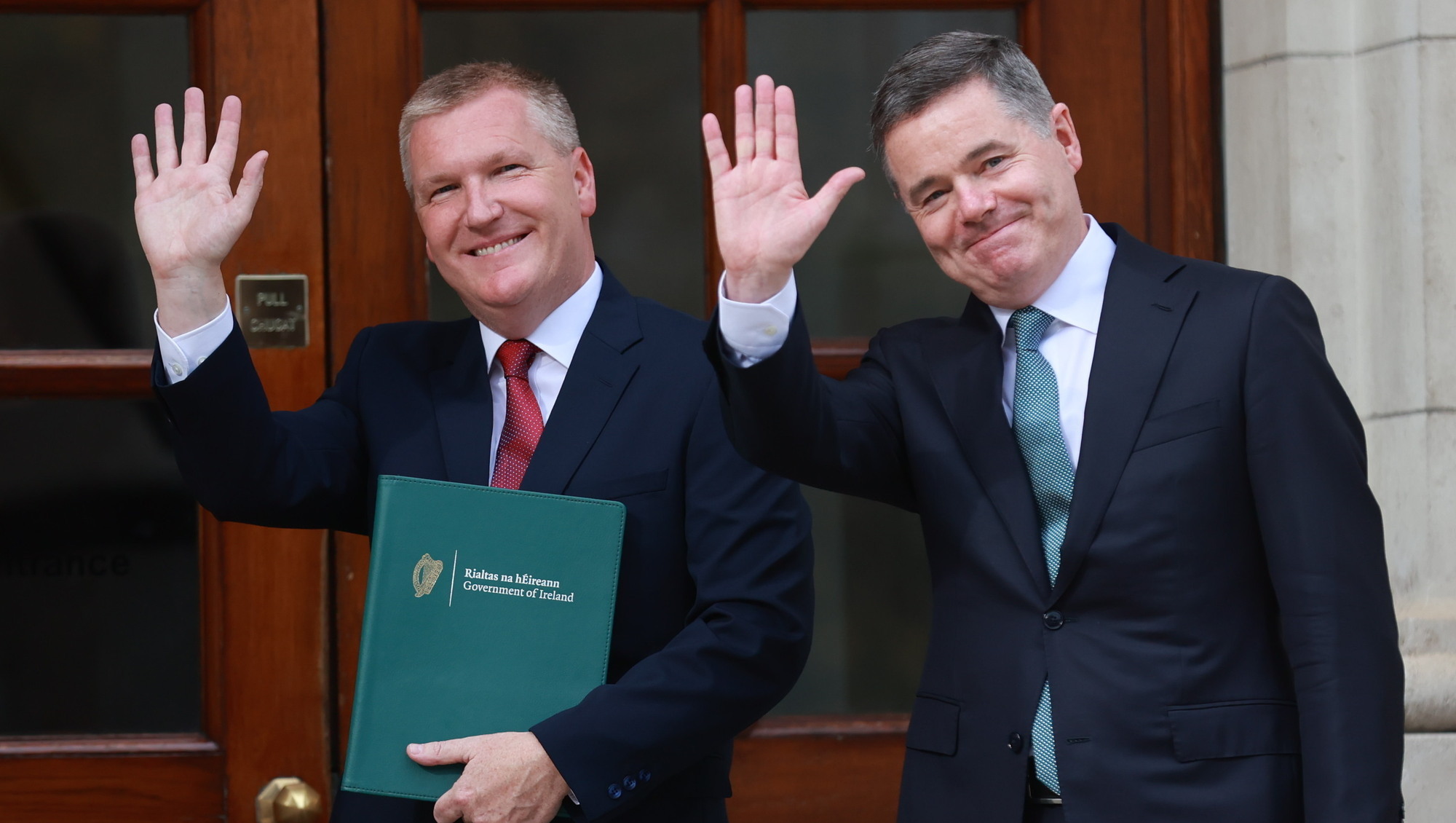
Finance Minister Michael McGrath and Minister for Public Expenditure Paschal Donohoe managed to open the prudent purse strings and have found enough coppers and loose change to dole out to pensioners, parents, students, businesses, workers, those with disabilities, and even school children.
However, both ministers had barely sat down after delivering their budget speeches when the opposition was pointing out that much of what had been announced centred around short-term and once-off sweeteners and did not amount to lasting structural change.
"I struggle to understand the aim of this budget. After all the leaks and the spin, to what does it amount?" asked Social Democrats TD Róisín Shortall.
In the something-for-all budget, the €12 across-the-board increase to all social welfare payments will be welcome, there are also €400 bonus payments for people in receipt of carers support and disability support, and a €300 fuel allowance one-time payment.
These are exactly the people who are more likely to need a properly functioning health service.
On that front, the measures stop dismally short.
A massive €22.5bn allocation for the Department of Health was almost glossed over by Donohoe in his budget speech, and for good reason.
The eye-watering package will be largely used to turn on the lights and pay overworked staff.
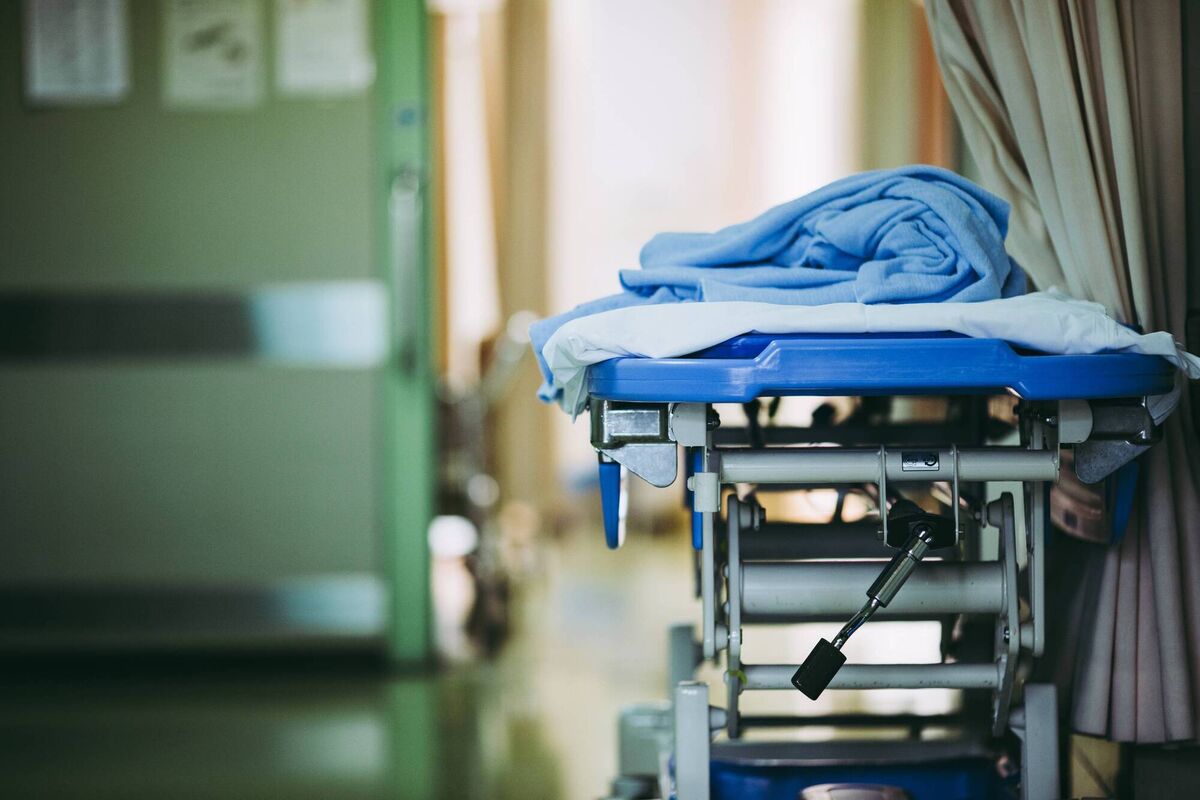
How did we get to the point where the Government must pump an astonishing €22.5bn into Health just to maintain a service where waiting on a trolley in an emergency department is the expected experience?
It could be argued that with an ageing population, the 2024 allocation for Health represents a decrease in real terms, especially when the €1.1bn HSE overspend for this year is factored in.
Donohoe tried to explain away the figures and vague Health allocations in his Dáil speech.
"Just as housing has been a challenge for our society that we are rising to, so the last three-and-a-half years have been a period of extraordinary challenges for our health service," he said before referencing the impact of the post-emergency phase of covid.
The Expenditure Report published alongside the budget, which lays out Department details, almost celebrates the fact that "the number of people waiting longer than the agreed Sláintecare targets has fallen by 140,000 since the covid peak".
However, it fails to acknowledge that HSE has itself admitted that more people are now being added to waiting lists than expected, with nearly 700,000 now in lengthy queues for first outpatient appointments.
"The Government remains committed to reducing waiting lists in our hospital and community services.
"The budget will fund a range of measures to reduce waiting times for inpatient care, and to improve access to community diagnosis," Donohoe told the Dáil without actually detailing how these measures will make a dent in unacceptable waiting times.
One person who did have detailed proposals was Labour's Duncan Smith, who suggested a number of "relatively small investments" that would have "a massive impact".
"The Government could invest €20m in a national cancer strategy. That would have a long-term impact on our health service. They will not do that either. They could invest €20m in new medicines.
Reacting to the Health measures announced, Irish Nurses and Midwives Organisation (INMO) general secretary Phil Ní Sheaghdha expressed disappointment around the lack of specific figures on how exactly the Safe Staffing Framework will be implemented in 2024.
"We are very fearful that we will not see safe staffing across all acute hospitals in the year ahead," she said.
Ensuring emergency departments and hospital wards are properly staffed is key to solving the ongoing difficulties in the health service.
A €400 bonus in the disability grant or the €200 once-off payment to those in receipt of fuel allowance will provide cold comfort to the frail pensioner (and there will be many) who finds herself or himself spending a night lying on a trolley along a fluorescent-lit hospital corridor.
In her analysis of Budget 2024, Ní Sheaghdha pointed to the other issue impacting almost every single person in this country to one extent or another — housing.
Again, there are a number of supports aimed at providing an immediate bounce but won't get to the nub of the issue. Tenants will benefit from a tinkering of rent credits up from €500 to €750, landlords will also receive supports.
Homeowners on tracker or variable rate mortgages will get up to €1,250 under a one-year mortgage interest relief package.
However, when it comes to actual social, affordable and even private construction targets, the ambition has not changed under Budget 2024.
Ní Sheaghdha said one of the biggest barriers to recruiting and retaining nurses and midwives is the availability and affordability of housing.
"Tax relief on rent is one part of the puzzle but we need bespoke measures to allow essential workers to live where they are needed to work.
"This is not sustainable. If we want to keep young nurses and midwives here in Ireland then we need more ambitious measures to make it possible for them to live near the hospitals that they want to work in, whether that be in Dublin or Dingle.”
Citing health and housing, Sinn Féin finance spokesperson, Pearse Doherty told the Dáil that "any modern society will be judged on its ability to deliver on these most basic needs".
When asked by the what he thinks this budget will be remembered for, Donohoe said he hoped the package will be remembered for providing further help to people with the cost of living.
CONNECT WITH US TODAY



Be the first to know the latest news and updates