The right mix of forests is critical to accelerate tree planting
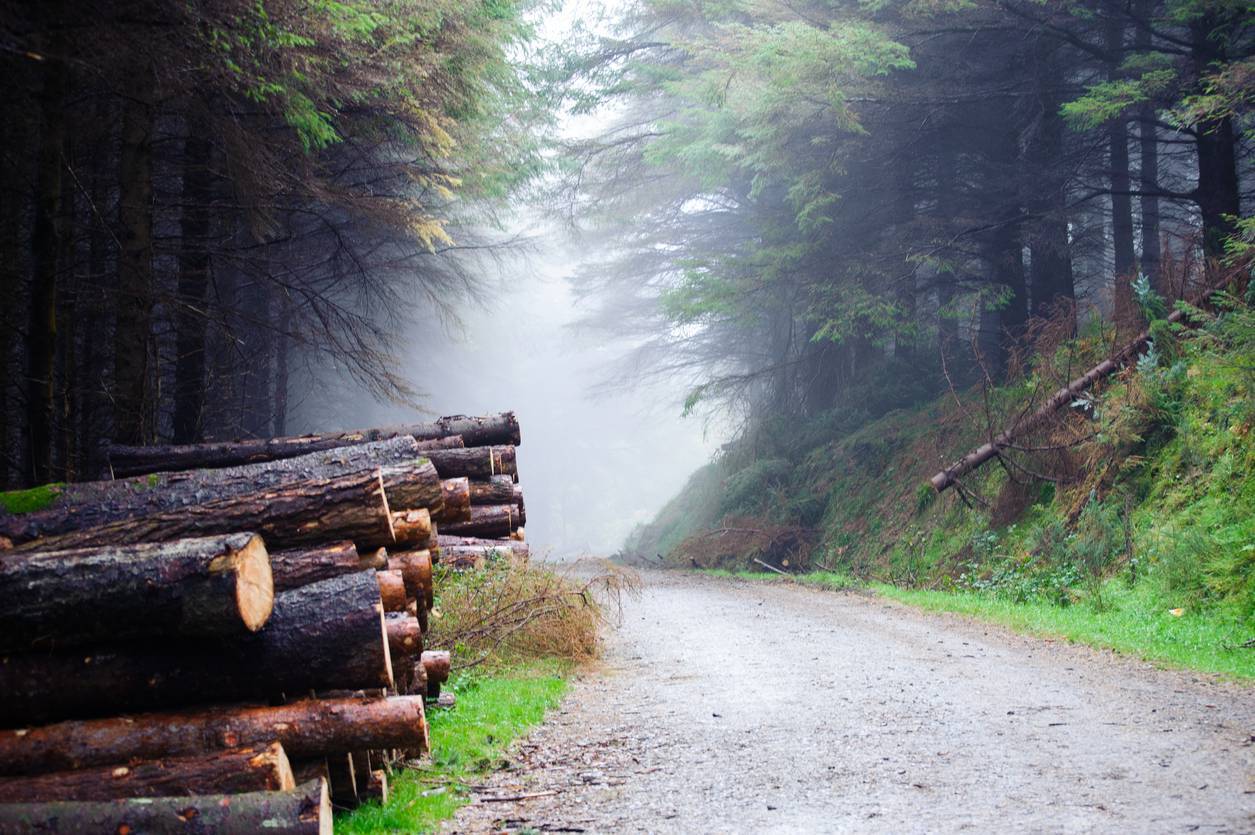
We need to get back to planting far more new forests, but forestry must be a financially attractive proposition if we are to encourage large-scale planting, writes Mark McAuley
The right mix of forests is critical to accelerate tree planting

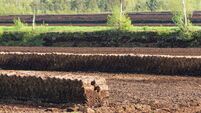
Back in the 1990s we were planting up to 20,000 hectares of new forests each year. Since the turn of the century, and particularly in the last few years, there has been a dramatic decline in annual afforestation to a point where we are now planting only 2,000 hectares.

The planting of new forests in Ireland has been stalled for the last number of years.

Back in the 1990s we were planting up to 20,000 hectares of new forests each year. Since the turn of the century, and particularly in the last few years, there has been a dramatic decline in annual afforestation to a point where we are now planting only 2,000 hectares.

This is happening at a time when forestry has never been more relevant and important. It is a critical weapon in combatting climate change and will help us diversify our agriculture sector.

We need to get back to planting far more new forests and the new national Forestry Programme, with its much-increased financial incentives for landowners, will hopefully encourage farmers to plant in increasing numbers. 

But equally important to the government grants and premiums is the commercial return from selling timber. Most farmers and landowners have to protect the value of their land and generate an income from it. 

CLIMATE & SUSTAINABILITY HUB

This means that forestry must be a financially attractive proposition if we are to encourage large-scale planting. The creation of all kinds of new forests is to be encouraged, but in order to achieve big forestry numbers, the commercial side of forestry is essential.

Luckily, Ireland has the ideal soils and climate for fast-growing conifers. These trees grow three times as fast in Ireland as they do in Scandinavia and this gives our growers and the timber sector an important competitive advantage. 

The forest sector is estimated to contribute more than €2bn and 9,400 jobs (direct and indirect) to the economy (Source: COFORD Council 2022). It is conifers that produce the construction timber that is essential to our house building programme and provide valuable exports. 

Every new hectare of forest planted is a new carbon sink and our long-life timber products then lock away this carbon for generations. Ireland’s forests store over 300 million tonnes of carbon and absorb an additional five million tonnes of carbon dioxide every year. 

On top of this, our wood products displace 3.7 million tonnes of CO2 emissions by substituting carbon-intensive building products.

Timber construction is a major trend across the world as we aim to reduce the embodied carbon in our buildings. Ireland is lagging behind in this and needs to increase the use of wood in construction which currently accounts for around 15% of our national greenhouse emissions. 

Architects and builders are increasingly looking to timber as the optimum sustainable building product and, across the world, new multi-storey buildings are using timber to reduce embedded carbon. At home, we are looking to green our housing stock and use more timber frames. It is the combination of large-scale forestry and building with wood that gives you a real carbon impact.

Public opinion surveys show that 75% of people would like to see more forests and woodland across the country. People value the environmental benefits of planting more forests and also appreciate the recreational amenity they provide. There is a general recognition that forests make a valuable contribution to our society, and we should have more of them.

Balanced approach

Concerns have been voiced regarding the biodiversity value of Sitka Spruce forests. Irish studies have consistently found that all forests are good for biodiversity. Productive forests are not planted to deliver biodiversity as their primary objective, rather they are grown primarily with the purpose of providing high-quality timber; but there is a biodiversity value to all forests.

While it is correct to say they do not have the diversity of our ancient oak forests in our national parks, they still have a significant positive effect on wildlife populations. 

Productive conifer forests provide biodiversity which would compare very favourably with other managed land practices such as cereal, dairy, and beef production. It is also important to realise that all our new forests have diverse species and are sustainably managed.

Sitka spruce is planted in combination with broadleaf species and the new Forestry Programme mandates a maximum of 65% Sitka Spruce in new forests, with the remaining 35% being dedicated to broadleaves and biodiversity areas.

The forest sector is in favour of a balanced approach that results in planting the right trees, in the right place, for the right reason. We should be planting all types of new forests, some of which will be more focused on biodiversity and habitats, and others which are aimed at producing timber. It is important that we balance our economic, social and environmental objectives.

  • Mark McAuley is director, Forest Industries Ireland
x

More in this section

Revoiced

Newsletter

Sign up to the best reads of the week from irishexaminer.com selected just for you.

Cookie Policy Privacy Policy Brand Safety FAQ Help Contact Us Terms and Conditions

© Examiner Echo Group Limited