Imasha Costa: As a little South Asian girl, Barbie was my idol, but she was everything I wasn't
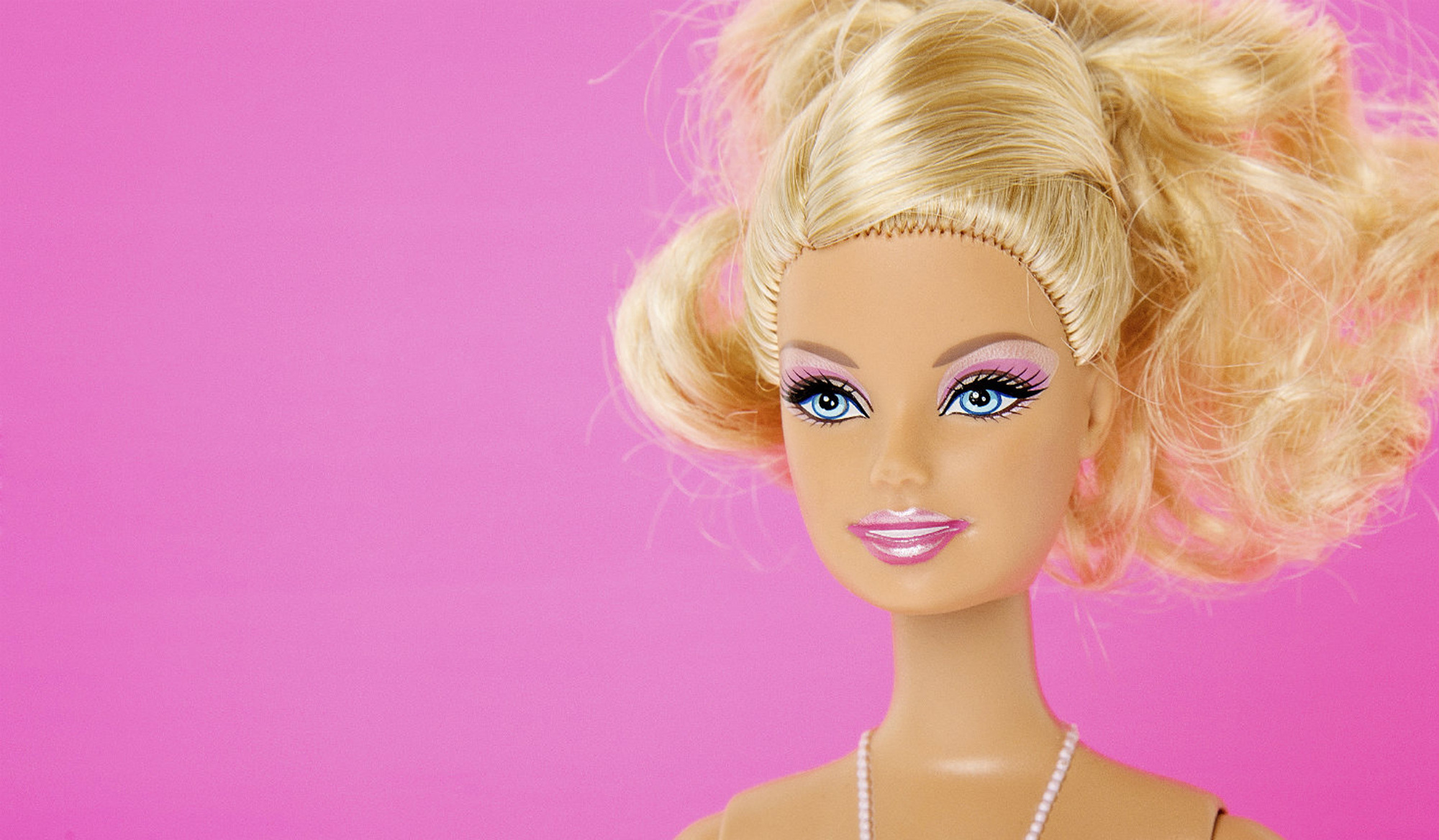
Barbie: 'I desperately wanted to become her, to look like her. As I grew older and into my late teens, I would straighten my hair, bleach it to make it lighter and wear foundation that was lighter than my skin.'
The Barbie Doll. She was my idol. She was the toy everyone brought to school, she was what everyone got for their birthdays. She was everyone’s best friend.
I was a young South Asian girl that looked at Barbie and thought, she has got to be the most beautiful doll in the world. She is white, she has blonde hair, she has a stable house to live in, she most likely has a lot of money, and she always has great outfits.
I am brown, I have thick black curly hair that needs to be brushed several times before the knots are fully undone, I did not have a stable home, nor a lot of money, and sometimes had okay outfits.
But I desperately wanted to become her, to look like her. As I grew older and into my late teens, I would straighten my hair, bleach it to make it lighter and wear foundation that was lighter than my skin.
As a South Asian, you were always told, if you have darker skin, you are not pretty, so use some Fair and Lovely Cream and you will become fairer.
I was raised to aspire to a Western beauty standard. I idolised the original Barbie doll. After all, since I was five years' old, she lived in the back of my mind as the picture of perfect beauty.
My mother could never afford to buy the doll. She was expensive and it was difficult to find them in stores where we lived. I would get Barbies as a Christmas present from the white women who my mother cleaned houses for, and they usually would get them when they went to Europe for holidays.
And whenever I opened the neatly wrapped presents, and looked at the pristine packaging that the doll was in, she was always white, and blonde but this time had a different sparkly dress.

In the Middle East, where I grew up, Fulla was a Muslim Arab doll that was very popular with younger Arab girls. My Fulla doll wore an abaya and a hijab and had a darker complexion, but I did not relate to Fulla as she did not look exactly like me either.
But I took her in and sat her down with my other Barbie dolls, who were having tea at their pink table, and I sat next to them and pretended that I was having a conversation with my best friends.
As I grew older, and less removed from reality, I realised that maybe Barbie was not everything I wanted to be. She was too perfect. I realised that maybe playing with Barbie had not prepared me for the real world — not the real world I lived in, anyway.
Barbie made me feel like I was not enough in this world because I was not fair-skinned. Because I was not middle class, and because I did not have my perfect stable dream house growing up.
She reminded me that being white was a privilege. She would not experience racism, she would not be asked how she speaks English so well, she would not be on the receiving end of micro-aggressions. She would not be told she did not belong here, she would not be told to go back to where she came from.
Instead, she would be welcomed because she was the ‘perfection’ of Western beauty. Being brown-skinned was different.
But in 2022, Mattel launched the first ever South Asian-American Barbie. She was a CEO. She wore a power suit, she wore jhumkas and bangles. Her skin was brown, her eyes were big, and her brows were bold.
The doll is based on Deepica Mutyala, South Asian beauty entrepreneur and CEO and founder of Live Tinted, a community and brand that makes brown-skinned makeup.
I did not even know she existed, but I am glad she does.
It might be too late for me but there is some comfort to be gained from knowing South Asian Barbie is taking her place around pink tables with all the other Barbies in children's bedrooms across the globe. It goes far beyond childish games and make-believe tea-parties, because visibility and representation matter.
South Asian Barbie is now seen. And so are we.