Levelling the playing field: Public funding for IVF
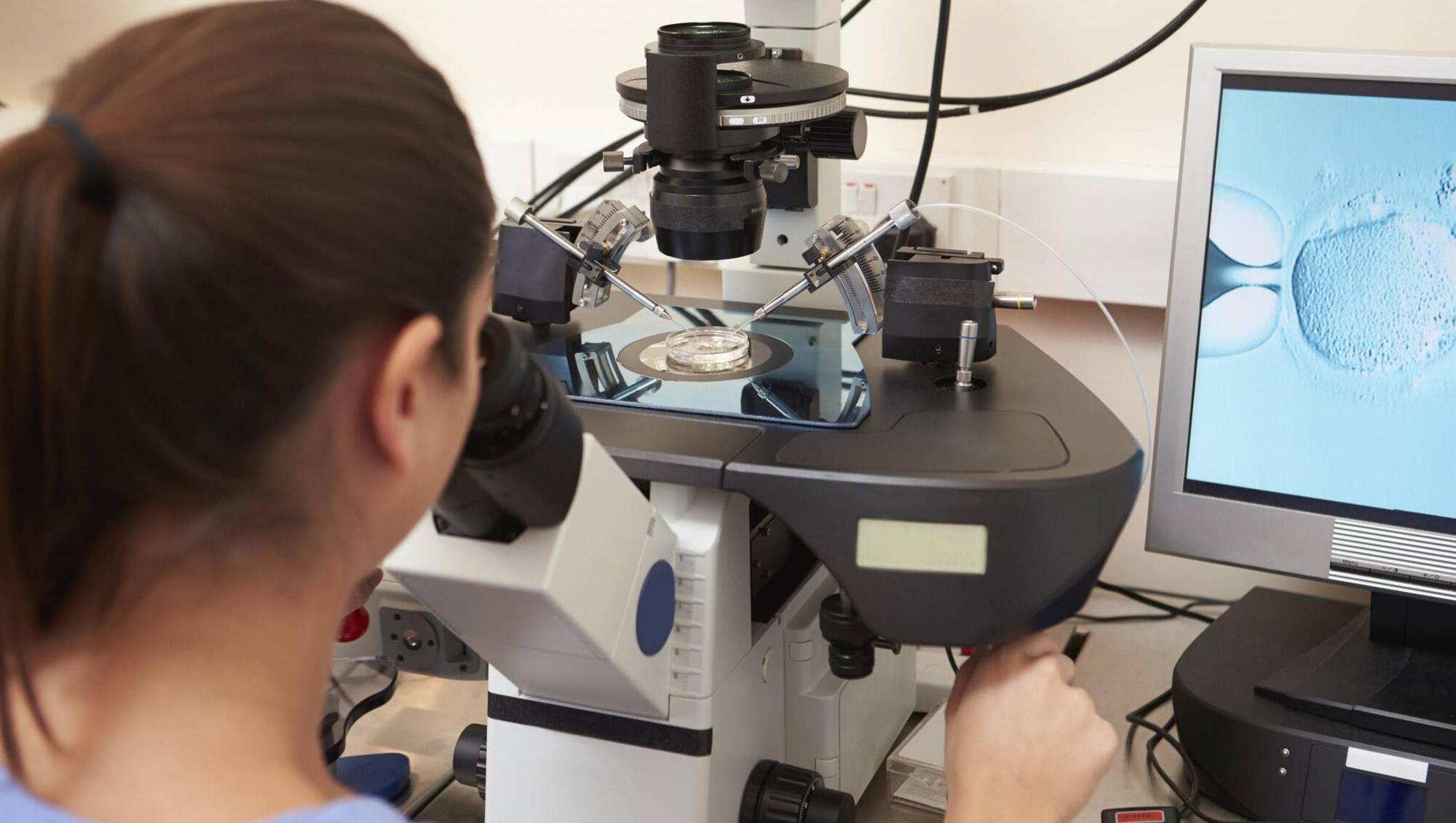
A laboratory fertilization of eggs in IVF treatment. Fertility rates are experiencing a significant global decline, with many countries reporting a steady decrease in birth rates over the past few decades.
The recent decision by the Government to provide public funding for in-vitro fertilisation (IVF) marks a significant milestone in the realm of fertility health. As a fertility coach and therapist with over three decades of experience, I wholeheartedly embrace this groundbreaking initiative, and since the announcement my Instagram DMs have been overflowing with questions, comments, and concerns.
The funding plan sets forth a pathway for couples trying to conceive. It encompasses a journey from GP level through specialised ‘hubs,’ culminating in a single cycle of IVF treatment. The outpouring of messages in my inboxes reveals harrowing stories and real fears about potential exclusions that may hinder intended parents’ dreams of parenthood.
One critical aspect of ensuring excellent care and fairness is the establishment of an independent regulatory authority to oversee and standardise fertility clinics’ practices. Similar to the UK’s Human Embryology and Fertilisation Authority, a regulatory body would ensure ethical standards, evidence-based protocols, fair pricing, and patient well-being, offering redress when things go wrong. A transparent and impartial regulatory body fosters public confidence and trust in the fertility treatment process, promotes accountability, and prioritises patients’ best interests.
Furthermore, we must ensure that specialised care is consistent throughout the entire journey. Full training and well-equipped expertise are crucial to providing the level of care required for fertility health issues. IVF, while valuable and still evolving, is not a guaranteed solution, nor should it overshadow other restorative medical approaches to optimise fertility.
Complex conditions such as endometriosis, miscarriage, and pregnancy loss require precise investigation and targeted treatment, and fertility hubs must integrate these seamlessly into their services.
The costs of IVF can be daunting. Couples cans spend anywhere from €8,000 to €50,000 or more to achieve pregnancy, with uncapped prices and ‘add-ons’ leading to financial strain and debt lasting years for many. I hope the Government can now negotiate prices to alleviate the burden on taxpayers who support this funding, ensuring value for money for each patient without compromising the quality of treatment.
Age restrictions have also drawn sharp criticism, with a generous 60-year-old limit for men in contrast to a distressing 41-year-old cut-off point for women. Those in the LBGT+ community and intended solo parents by choice report feeling sidelined, as gamete donation is not included. Parents with one child conceived by privately funded IVF feel punished and excluded.
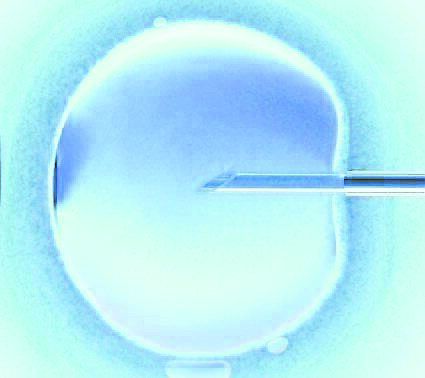
Additionally, body mass index parameters raise concerns about exclusion from services based on weight. Supporting individuals in lifestyle choices to maximise their chances of conception and healthy pregnancies should be a part of the process, emphasising overall health and well-being as the cornerstone of fertility. Men’s fertility health investigation, diagnosis, and treatment is a crucial part of the equation which is often overlooked in the race to IVF.
IVF success rates can vary significantly from person to person, and even with advancements in fertility treatments, achieving pregnancy through one single IVF cycle is not always guaranteed. In reality, it often requires three to six cycles.
Many factors including the quality of embryos can influence the likelihood of success in IVF.
For some individuals or couples, multiple attempts may be necessary to increase the chances of a successful pregnancy.
Each IVF cycle can be emotionally and physically taxing, and putting all hopes on a single attempt can lead to immense pressure. Understanding that multiple cycles might be needed can help individuals approach the process with realistic expectations.
Amidst the physical and financial challenges, we must not overlook the emotional toll that infertility takes on individuals and couples.
Research indicates that the psychological burden of infertility can rival that of a cancer diagnosis. Therefore, allocating resources for mental health support, coaching, and counselling services is crucial to alleviate the emotional stress that accompanies fertility treatments and may persist post-natally.
Fertility rates are experiencing a significant global decline, with many countries reporting a steady decrease in birth rates over the past few decades. The drop in sperm counts is a global phenomenon, affecting men from diverse backgrounds and geographic locations, highlighting that infertility is not solely linked to individual lifestyle choices.
Environmental factors, exposure to chemicals, pollution, and other
external influences beyond an individual’s control are believed to be contributing to the decrease in sperm counts, underscoring the importance of addressing this issue at a broader societal level.
The public funding for IVF in Ireland represents a promising step
forward, opening new horizons for countless people hoping for a family.
As a fertility and IVF coach, with a background in gynae nursing and midwifery, I am hopeful that this initiative will be implemented thoughtfully and compassionately, evolving to ensure that quality fertility healthcare becomes more accessible for all.
CONNECT WITH US TODAY



Be the first to know the latest news and updates