Mark Smyth: Camhs report came as no surprise to frontline clinicians
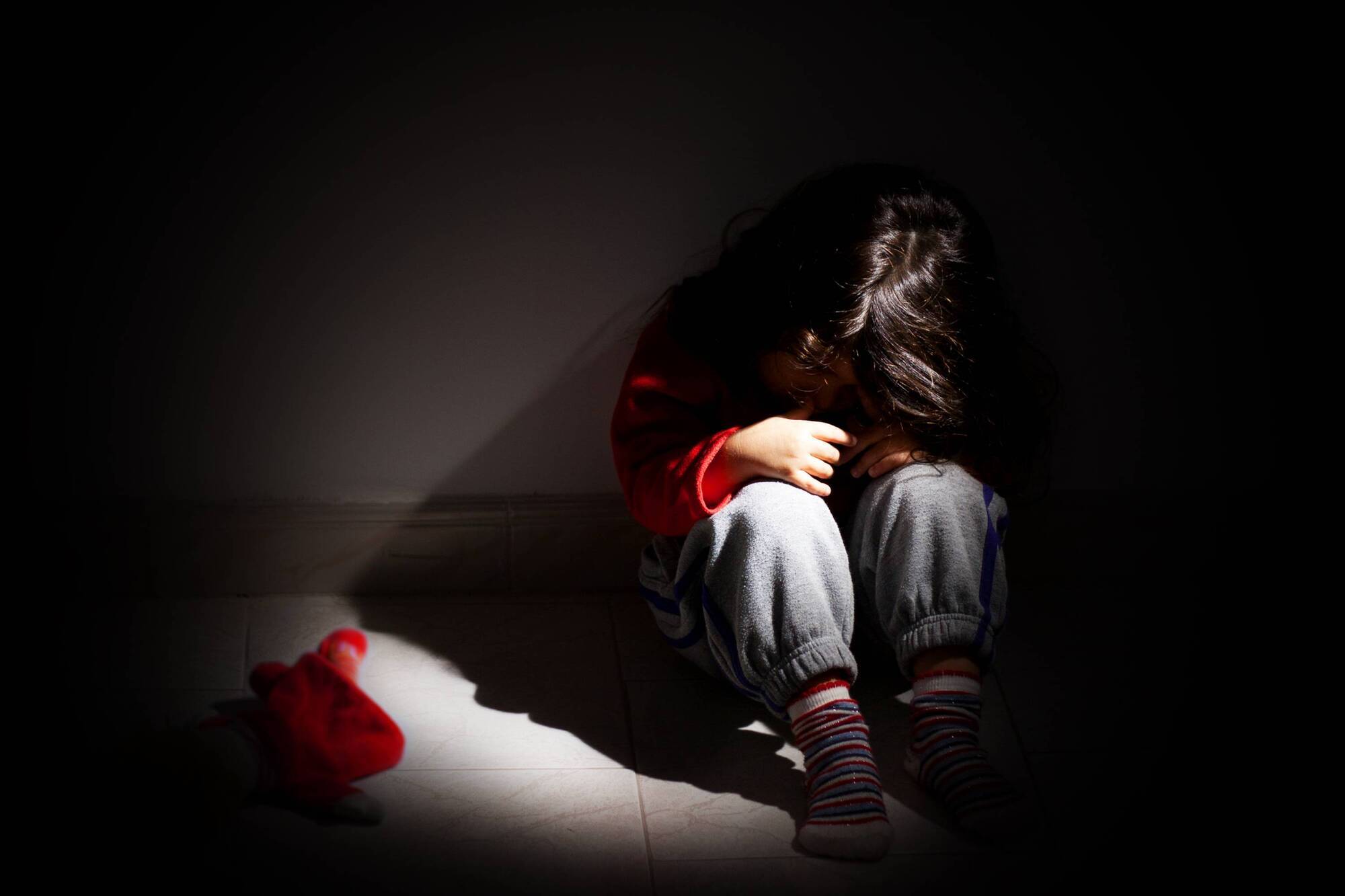
Respecting the rights of young people with mental health problems is more than just words on a page, it’s a lived experience. File picture
The publication of the Mental Health Commission's (MHC) report into Child & Adolescent Mental Health services (Camhs) was welcome and very little of it was a surprise to frontline clinicians.
You will likely be familiar with the philosophical question, "If a tree falls in a forest and no one is around to hear it, does it make a sound?". This epitomises the situation for clinicians in Camhs who have felt their voices and concerns about the system they work in have been unheard for too many years.
While the MHC report made for difficult reading for the public and clinicians alike, the sounds of so many trees falling at once made for a deafening realisation that the status quo cannot continue. The MHC report highlighted a number of crucial aspects that have been negatively impacting delivery of safe and effective mental health services to young people.
Adequate staffing is a core requirement of any service that aims to be responsive to the needs of young people but the reality is that most Camhs teams are not adequately staffed to required levels to meet demand. From a psychology perspective we are not training enough psychologists to meet current or future demands. Until that reality is accepted and rectified through increased funding and work force planning, recruitment will continue to be in crisis.
How do you successfully recruit into a system that is regularly described as ‘not fit for purpose’? We must highlight and address the structural failings in the system, but we also need balance in our discussions.
We know too many young people have failed to have their needs met by Camhs, which is unacceptable and urgent change is needed so that young people get the outcomes they need and deserve. What you won’t see in detail in the MHC report or hear on social media is that many young people are helped by Camhs.
Clinicians who stay in Camhs do so because they experience rewarding outcomes with vulnerable young people guiding them on a path to recovery. For many it is why they show up every day in a stressed and difficult system to make the key difference for each young person they work with.
You couldn’t do the job if you never experienced this wonderful outcome, watching young person get back to all they love and enjoy about life. The problem is Camhs staff would experience this joy a lot more often if the resources were in place to support their work.
For many years I have been asked one key question: "How do we get the Camhs waiting list down?". My answer was and is always the same, resource Primary Care Psychology.
Camhs is a service for young people presenting with moderate to severe mental health problems and many get to that level of need because of an absence of adequate early intervention. The evidence tells us that mild mental health difficulties can be successfully supported in 8-10 sessions while moderate difficulties require multidisciplinary intervention of 15-25+ sessions and severe difficulties 35+.
The Government has rightly championed Sláintecare with a philosophy of “the right care, in the right place, at the right time”. For most young people with emerging mental health difficulties the right care is as soon as possible and to achieve this we need to front load our youth mental health services with primary care psychologists.
Another key recommendation from a MHC report in 2010 highlighted the need to move from a uni-disciplinary model of clinical responsibility to a distributed model of all involved team members. Thirteen years later these recommendations have not been acted upon and we are seeing the unfortunate consequences of this.
The MHC’s 2023 findings demonstrate the unequivocal need for the system to adapt in whatever ways are necessary to improve outcomes for young people. We ask the young people we meet to trust us, to adapt how they think, feel and act, to give them hope of succeeding in achieving a life worth living free of the burden of their mental health difficulties.
The least that the system can do for them is to lead the way, to embrace and enact every one of the 49 MHC report's recommendations. This would give hope to those who make it their life’s work to make a difference in the lives of young people and their families.
We have to learn from the mistakes and omissions of the past, they have been laid out for us in black and white. Respecting the rights of young people with mental health problems is more than just words on a page, it’s a lived experience.
So when should this happen? The best time to start was yesterday. The next best time is now. Young people are watching and waiting for those who can to do better, they will not accept any less.
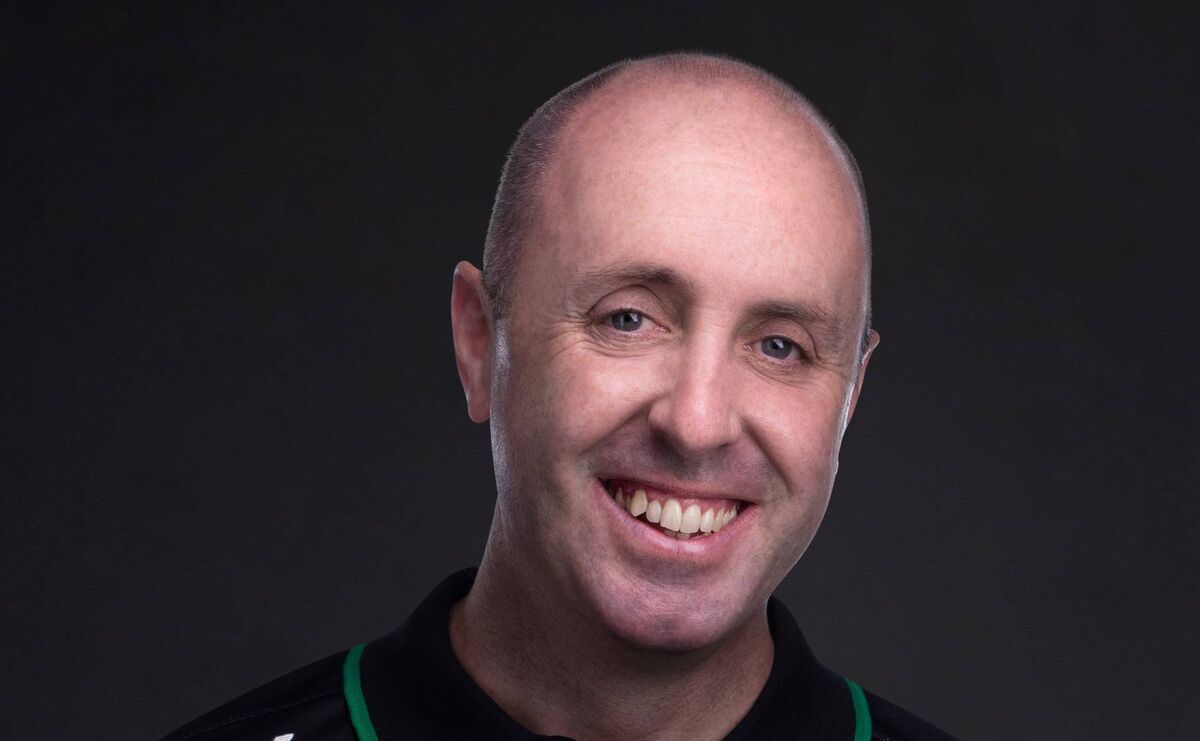
- Mark Smyth is a Clinical Psychologist working in youth mental health for over 20 years and Past President of the Psychological Society of Ireland
CONNECT WITH US TODAY



Be the first to know the latest news and updates