'Disturbing' gaps in out-of-hours mental health services for children 'must be addressed'
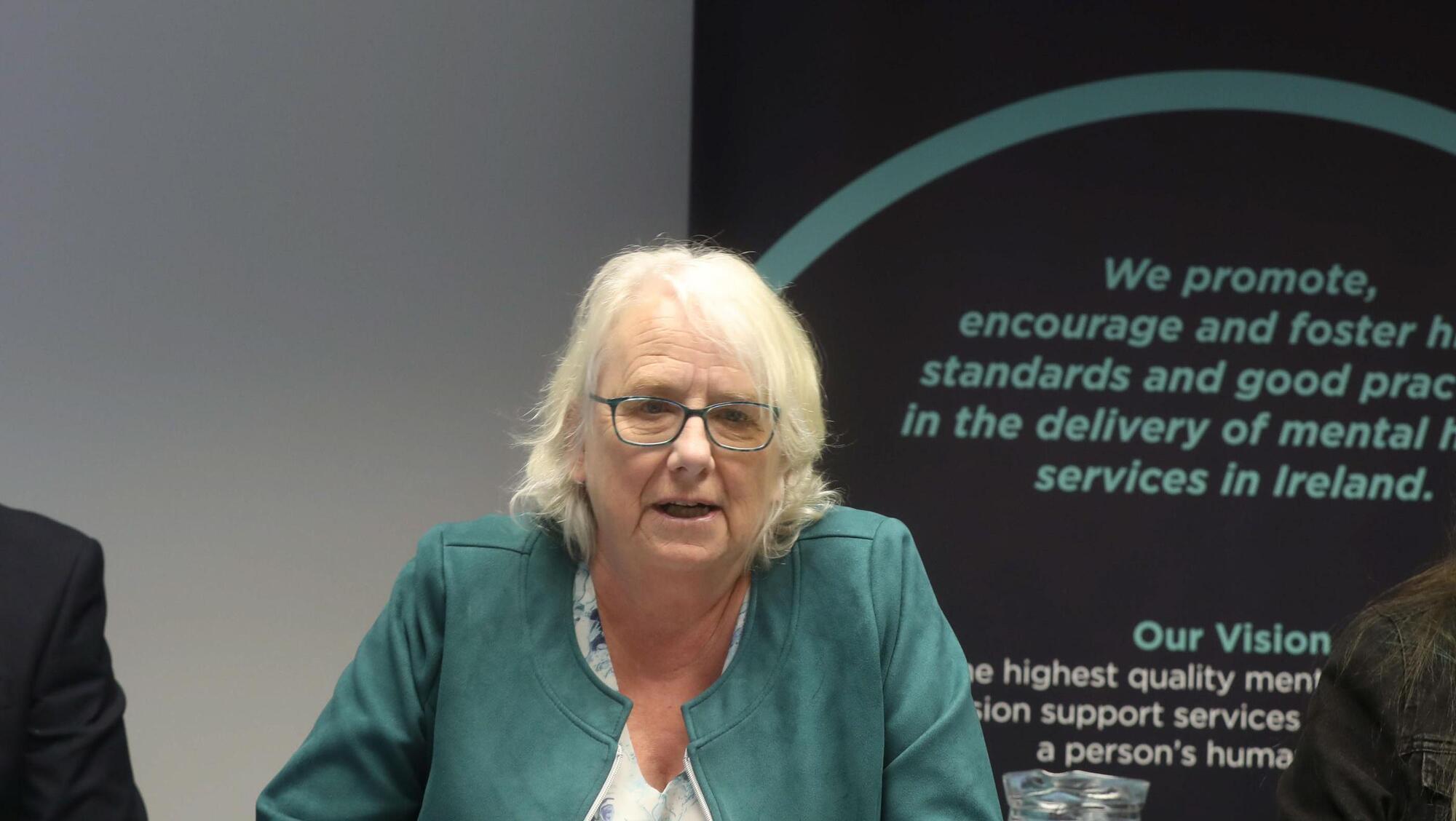
Dr Susan Finnerty, the outgoing Inspector of Mental Health Services. Picture: Leah Farrell / Photocall Ireland
It is “a matter of urgency” that disturbing gaps in out-of-hours mental health services for children be addressed, the former Inspector for Mental Health Services has said.
Dr Susan Finnerty, who retired last Friday following 19 years with the Mental Health Commission, said it is not clear why every county does not offer adequate services for families.
“The out-of-hours service is so variable across the country," she told the .
"In some places, they have excellent out-of-hours services and in other cases, they don’t have any.
“To me, it seems that this is something that should be addressed as a matter of urgency, and I am not sure why those out-of-hours services cannot be put in place.”
She raised the gaps in services in a hard-hitting report published last week on the Child & Adolescent Mental Health Services (Camhs).
“I’m not particularly happy with the response that the HSE has given on that,” she said.
The report shows one hospital reported a 30% increase in emergency attendances by young people with acute mental health needs, and Camhs staff themselves “indicated grave concern” about the lack of cover.
“Children don’t need services solely between 9am and 5pm. There are weekends, there are nights when parents are distressed because their child is unwell. They need to be seen, they need to be assessed and that is not happening,” Dr Finnerty said.
“It is very very disturbing because the children end up on paediatric wards or, in the case of 16 to 18-year-olds, in adult mental health services because there isn’t an adequate out-of-hours service.”
She reflected on the changes introduced since she joined the Commission as an assistant inspector, such as the closure of asylums for mental health patients.
She previously spent 14 years as a psychiatrist in Ennis, Co Clare.
“I’d like to think of my legacy as being part of the changes in mental health services and then moving on,” she said.
“I joined in 2004, and a 2005/2006 report is there (in my cupboard) when we were walking around huge asylums. There have been changes. I think sometimes when you look at the mental health services you don’t see that year on year, but when you take 10 years or 20 years, you see huge changes.”
Promoted to Inspector in 2016, she said the report, published last week, is the most comprehensive analysis of Camhs she has ever undertaken.
She called for the warnings to be acted upon.
“Otherwise the report just ends up gathering dust somewhere, so we have to push it,” she said. "We’ve got to monitor how things move on.”
She praised the HSE regions of Galway, Roscommon, Mayo, and two Dublin regions for good services but said others are “more challenged”.
The HSE said they are committed to the continued expansion of liaison mental health services with funding provided to three Dublin children’s hospitals towards this.
These teams connect young people arriving in Emergency Departments with mental health services to ensure they can access appropriate care.