Catherine Conlon: Time to adopt commonsense approach to obesity
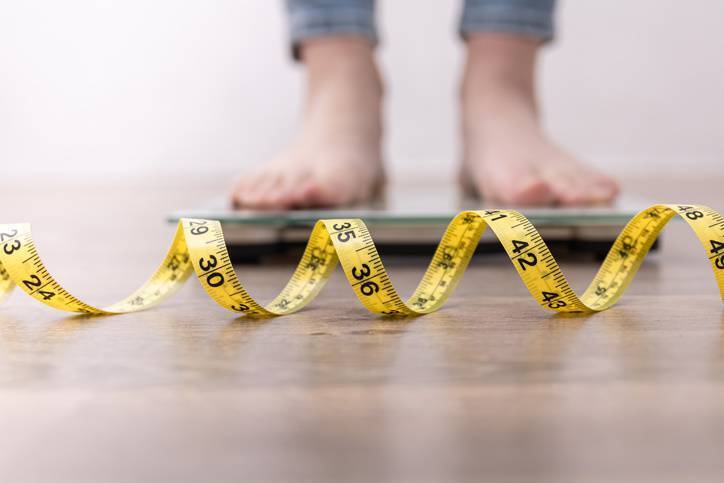
Brazil's national food guidelines don’t dwell on nutrients, calories or weight loss. File picture: iStock
Almost half of adolescents with obesity given a ground-breaking new treatment managed to lose enough weight to drop below the clinical cut-off for obesity, according to new research presented at the European Congress on Obesity.
The treatment, Semaglutide, is sold under the brand name Wegovy in Ireland and is a medication used for long-term weight management. Almost three-quarters (74%) of 12-18 years olds in the study moved down at least one weight category. The average weight loss was 18kg.
Lead author Dr Alan Kelly, co-director of the centre for paediatric obesity medicine at the University of Minnesota, described the results as transformative but warned that the drug needs to be taken for life.
"Early intervention with medication gives a child the best shot of a long healthy happy life and you need to keep your foot on the gas pedal, because it’s a chronic disease," said Dr Kelly. But surely the best shot for children to have a long healthy happy life is to prevent the problem in the first place by controlling the obesogenic environment.
Consultant endocrinologist at Galway University Hospital, Professor Francis Finucane, suggests that a ‘two-pronged’ approach is needed. This would translate into an upscaling of obesity treatment being matched by an upscaling in obesity prevention.
Professor Finnucane suggests that one way to pay for effective drugs would be the ringfencing of the money raised from the sugar tax, more than €30 million per year since 2018.

Overweight and obesity have reached epidemic proportions in Ireland and other European countries according to a new report this month from the World Health Organisation (WHO). Ireland ranks ninth out of 53 European countries for obesity in adults and 11th for overweight and obesity, according to the WHO European regional obesity report.
In Ireland one in four adults are obese. A total of 61% of adults are overweight or obese – 66% of men and 55% of women. Among five to nine-year-olds, over a third (34%) are overweight or obese. Over a fifth of women are obese when they become pregnant, with the rates higher in low-income groups.
The Climate and Health Alliance Ireland spelt it out very clearly in their recent position paper, Fixing Food Together.
"The consumer responsibility model largely absolves food industries and regulators of the responsibility to support people to make food choices that benefit their health and the health of the environment."
A key recommendation in the Alliance's paper is the publication of the Public Health (Obesity) Bill promised in the Programme for Government that includes:
- an online ban on the marketing of unhealthy foods and beverages;
- an extension of the 9pm watershed for all unhealthy food and drink advertising;
- a ban on unhealthy food advertising on State-owned transport, buildings and public infrastructure such as bus stops;
- regulations for no-fry zones for all new fast food outlets sited within one kilometre of school and youth facilities;
- and the banning of ads for unhealthy food and drinks being displayed within 200 metres of school playgrounds.
One factor that receives limited mention is dietary guidelines. While the guidelines provide a consistent and evidence-based approach to healthy eating – they lack the conviction to challenge the reality of eating healthily in a culture that is drowning in cheap, ultra-processed food.
The Food Pyramid shows the different food groups and how much of each is needed for a healthy balanced diet. Food is organised onto five main shelves with advice on how much to eat from each shelf a day. The advice ranges from the bottom shelf of vegetables salads and fruit (5-7 servings), starchy foods (3-5 servings), dairy (3 servings), meat and alternatives (2 servings) to the top shelf of fats, spreads, and oils (small amounts).
But the pyramid and the guidelines have been criticised for over-complicating what we know about healthy eating. Senior health correspondent for Vox, Julia Belluz, suggests that this approach considers food from the context of the lab or clinic, rather than from the context of family or society where it belongs.
Brazil, on the other hand, does exactly the opposite. Their national guidelines don’t dwell on nutrients, calories or weight loss. Rather than jamming food into pyramids, they focus on meals and encourage citizens to simply cook whole foods at home and to be critical of the seductive marketing practices of "Big Food".
The difference with this approach is that food is discussed in terms that relate to how people eat.
There are a few simple truths that the Brazilian guidelines have zoned in on in a way that the Food Pyramid does not, with straightforward messages brimming with common sense whether you have a two-year-old or 85-year-old to care for and whether you are 25 or 45 and struggling to keep all the balls in the air.
- Dr Catherine Conlon is a public health doctor in Cork and former director of human health and nutrition, safefood
CONNECT WITH US TODAY



Be the first to know the latest news and updates