Irish weather lore preserved a deep understanding of our world
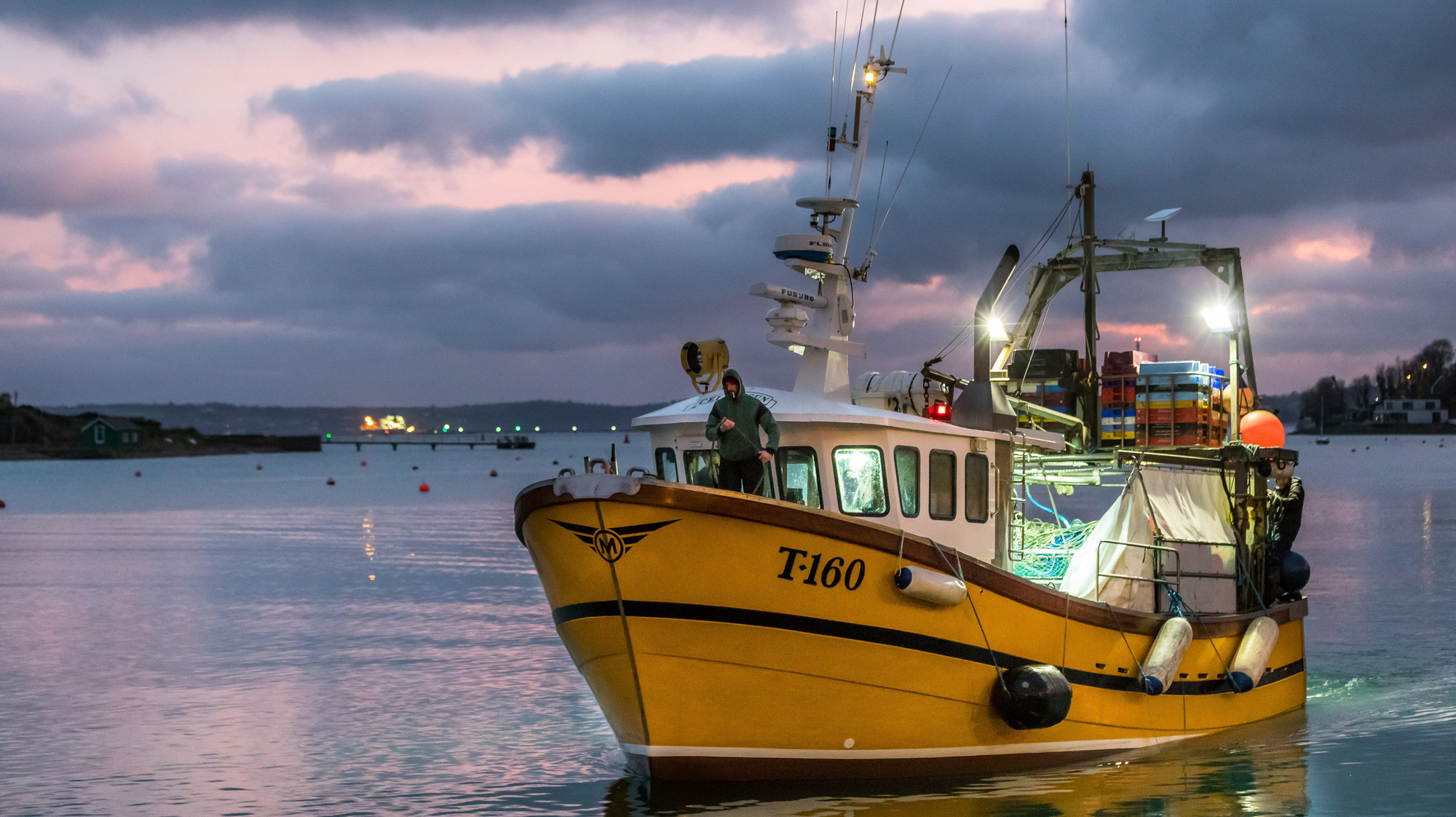
In the past, before fishermen set out to sea they watched the skies. File picture: David Creedon
Long before meteorology and climate science, Irish people looked to the natural world to forecast the weather and make sense of their surroundings. They read the skies, the seas and the behaviour of animals for signs of change.
This weather lore — known as seanchas i dtaobh na haimsire in Irish — was grounded in generations of observation and shared through memorable sayings or rhymes. One familiar example is: “Red sky at night is a shepherd’s delight; red sky in the morning is a shepherd’s warning.”
Weather lore forms part of Ireland’s cultural heritage (dúchas) preserved in the National Folklore Collection, one of western Europe’s largest archives of oral tradition.
Established in the 1930s and now digitised, it encompasses several compilations, including the Main Manuscript Collection of field-recorded folklore and the Schools’ Collection, gathered by schoolchildren from older generations. These hold millions of pages of stories, customs and beliefs.
Across the archive, weather lore highlights natural indicators — moon halos, sun colour, wind direction, animal behaviour — as clues to coming weather changes. Farmers timed sowing and harvesting, fishermen watched the skies before setting out to sea.
Without forecasting, people relied on sensory cues in the environment — shifts in colour, movement, sound, even smell. These observations were based on practical knowledge, honed over generations and patterns repeated nationwide.
Many stories of Irish weather lore have modern scientific explanations while others reflect superstition or coincidence.
Cats turning their backs to the fire signalled a storm; dogs eating grass suggested rain. Swallows flying high meant fine weather, while low flight warned of rain. Seagulls coming inland foretold storm or rain.
A “ring” around the moon was a classic sign of rain. Sunsets mattered too — red skies promised fair conditions, while coppery or yellow hues foretold rain.
Twinkling stars were linked to frost or wind; shooting stars denoted dry weather (in Irish) or wind (in English). The Northern Lights were often interpreted as omens beyond weather.
The direction and behaviour of chimney smoke was also related to weather prediction. When smoke rose straight up, it signalled fine weather, but when it drifted downward or failed to ascend, rain or storm was expected.
Blue flames in the fireplace meant storm or frost; falling soot signalled rain; damp hearthstones and cracking furniture were also read as warnings of unsettled weather to come.
Hills appearing “near” suggested rain, while seeming distant meant clear skies. Even sound carried meaning: when the rumble of a train or the roar of a waterfall sounded close, bad weather was expected.
Weather shapes how we experience place, identity and memory. Weather lore carries cultural weight, being woven into everyday conversation, proverbs and poems and passed down through storytelling.
Verses helped people remember patterns. An Irish folklore variant of a familiar rhyme appears in both the Irish and English languages: “A rainbow at night is the farmer’s delight; a rainbow in the morning is the farmer’s warning.”
These rhymes also acted as calendars, helping communities anticipate seasonal changes. For example:
These sayings reinforced continuity and belonging, with evident regional differences.
In the West, Irish language sources mention marine indicators — sea colour, foam currents, porpoises or small whales (known as mucaí mara, sea pigs) — and use vivid metaphors like the “moon lying on its back” or “clouds like Kerry mountains”.
Off-shore island communities noted tides and coastal sounds.
In contrast, English language sources from the mainland emphasise agriculture: soil moisture, crop cycles and harvest lore. Farmers watched trees and hedgerow plants — haws and sloes — for seasonal predictions: “Ash before oak, there’s sure to be a soak; oak before ash, there’s sure to be a splash.”

“March dust” was like gold because dry conditions early in spring were believed to promise a bountiful harvest.
Interpreted today, weather lore is more than folklore. Researchers are now beginning to frame this as “weather heritage”.
In an era of climate uncertainty, Irish weather lore points to something we risk losing: the habit of paying attention to what nature is telling us.
- Karol Mullaney Dignam is associate professor at the School of History and Geography, University of Limerick


Check out the Irish Examiner's WEATHER CENTRE for regularly updated short and long range forecasts wherever you are.
CONNECT WITH US TODAY



Be the first to know the latest news and updates