Report on online abuse of female journalists will resonate with all women in media
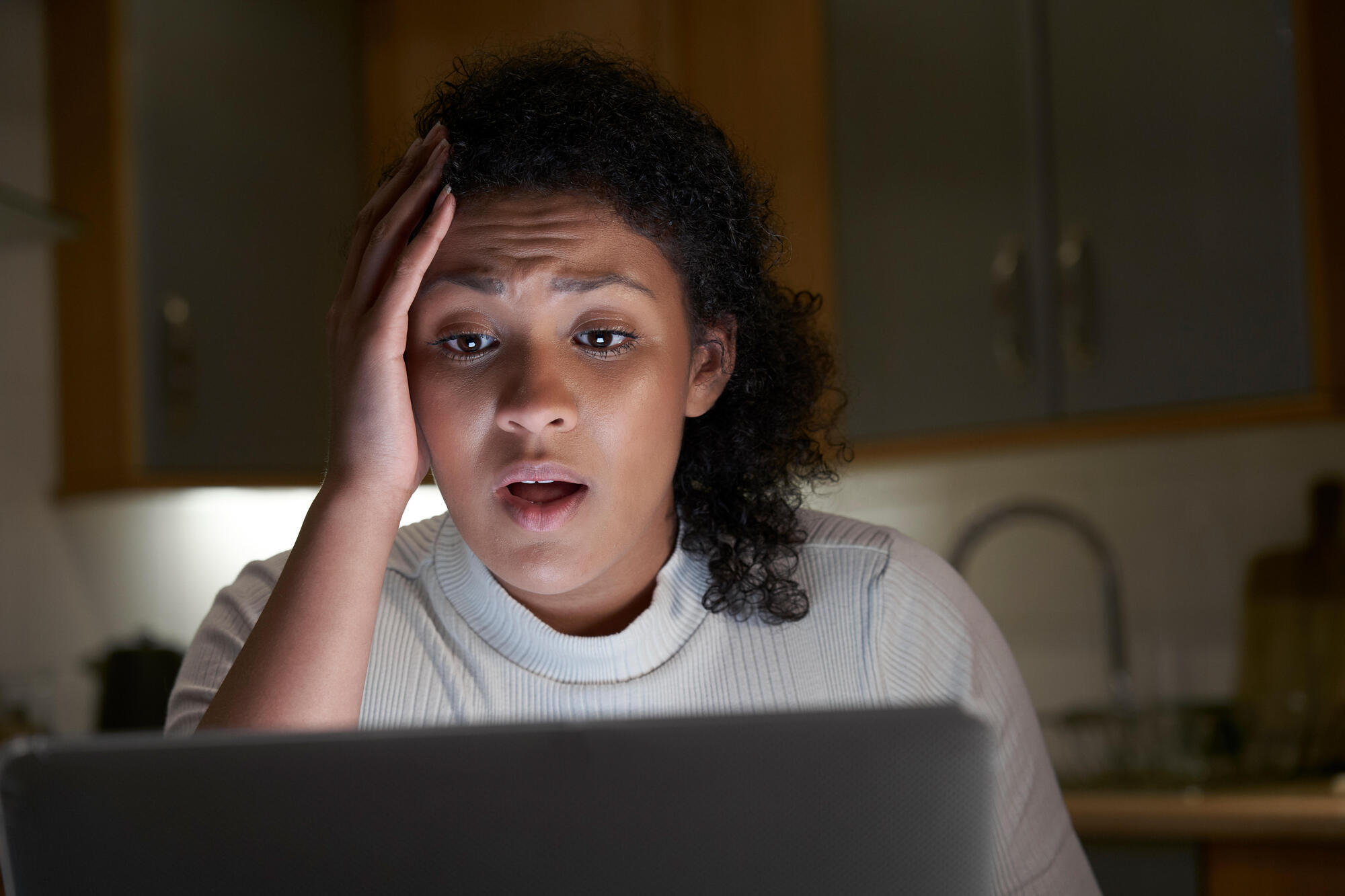
It is not only women who face backlash, sustained criticism, and insults but it is the type of harassment they encounter that brings it to a more sinister place, writes Michelle McGlynn
Report on online abuse of female journalists will resonate with all women in media

The degree to which each woman has experienced online hostility varies but none have escaped unscathed.

A new study has highlighted the abuse, trolling, and harassment that women in Irish journalism face during the course of their work and, while there were interesting insights in the report, the data is sadly unsurprising.

Reading the report, most women in the industry will find themselves nodding in agreement as the 36 journalists interviewed detail their experiences.

The degree to which each woman has experienced online hostility varies but none have escaped unscathed.

Women in journalism find themselves caught in the crosshairs of the entitlement that the public feel when it comes to: 1) women in general, and 2) journalists.

It is not only women journalists who face backlash, sustained criticism, and insults but it is the type of harassment they encounter that brings it to a more sinister place.

The report cites 15 types of online negativity that women face and in my experience, there are three that will almost always be hit.

First, the person will try to patronise you with belittling comments about your intelligence — "Oh what would you know about it, you're a woman" or patronisingly explaining your own story back to you.

Then it will move on to insults about appearance, seemingly an attempt to hurt your feelings because obviously looks are what we care about the most while doing our jobs.

Finally, if you remain defiant and haven't begged for their experience and guidance or if you've ignored them, that is when the violent and threatening comments come.

Then there is the harassment that does not quite seem like it is harassment until you are on the receiving end.

Reply Guy

There is a term for a certain type of follower, one that my friends and I have spent many an evening discussing — the Reply Guy.

For those unfamiliar: Dictionary.com describes him as “a man who frequently comments on tweets or other social media posts in an annoying, condescending, forward, or otherwise unsolicited manner — especially posts by women".

One of my Reply Guys was mostly just irritating and I ignored him until one morning I woke up to find that I had about 250 Twitter notifications.

This man had sat down somewhere about 4am and liked and commented on every one of my tweets going back months and months.

Someone commenting and liking your tweets does not sound like harassment but it left me with a bad feeling in the pit of my stomach.

I blocked him, found he was following me on every one of my social media platforms, and blocked him there as well. He knew where I worked, a quick Google could give him the address. We lived in the same city. He knew what I looked like but I had no idea who he was.

I took a screenshot of his Twitter profile and sent it to a group chat with some of my girlfriends and joked that if I disappeared any time soon that here's where they should start looking.

I say I joked, I put a little lol at the end for some levity, but I wasn't completely joking and they knew it.

Seven of the reporters interviewed described themselves as "lucky" because they did not feel their experiences were as bad as other women's.

It always strikes me when I hear women describing harassment and/or abuse and say things like 'It wasn't that bad' or 'It wasn't as bad as X, Y, Z'.

How bizarre to call suffering harassment and abuse lucky —but I am guilty of doing the very same. I did it while I read this report.

Sustained campaigns of harassment

Well, some of these women have had sustained campaigns of harassment against them, some of them have had their lives threatened, some have had comments made about their children and families, and some have been stalked in real life.

I have never had to go through those things. That man from Twitter disappeared — or at least as far as I know he has.

Aside from that, I get some snide comments, some insults, some unsolicited 'compliments'. As a woman who interacts with society, I experience all these things on a near-daily basis so to have it in my work life feels pretty natural.

But isn't that an awful and hopeless thing?

To know me is to know that I am pretty loud, very opinionated, and rarely back down when confronted so it would strike people as strange that when it comes to social media, I self-censor — a lot.

As a journalist, Twitter is an extension of my job and my work. I need to maintain a professional profile.

My way of dealing with a user sending me abuse or threats may not be in line with what would be expected of me in my career.

I do not explicitly mention my work on Twitter and I rarely share my stories. It just feels easier not to draw attention to myself.

Does having a low profile online hurt my career? Probably.

I know I should not let idiotic trolls have that sort of power but tell me why my options are: take steps to boost my profile and further my career by opening myself up to online abuse, or stay quiet and let my career suffer?

  • Michelle McGlynn is a digital journalist with the Irish Examiner

x

More in this section

Revoiced

Newsletter

Had a busy week? Sign up for some of the best reads from the week gone by. Selected just for you.

Cookie Policy Privacy Policy Brand Safety FAQ Help Contact Us Terms and Conditions

© Examiner Echo Group Limited