Pádraig Hoare: NTA's BusConnects Cork is a capitulation, not a compromise
The mentality of climate action being needed but not here and now has to change and we must get serious about public transport and active travel, writes Pádraig Hoare
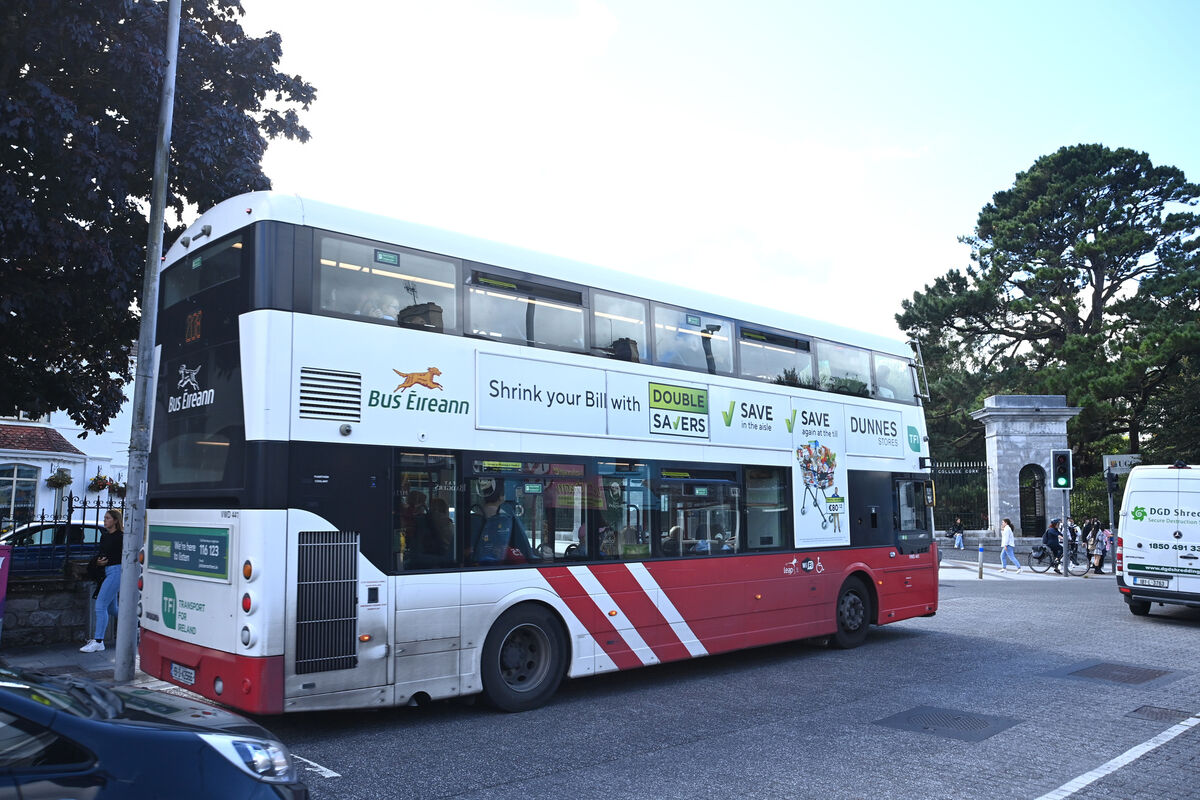
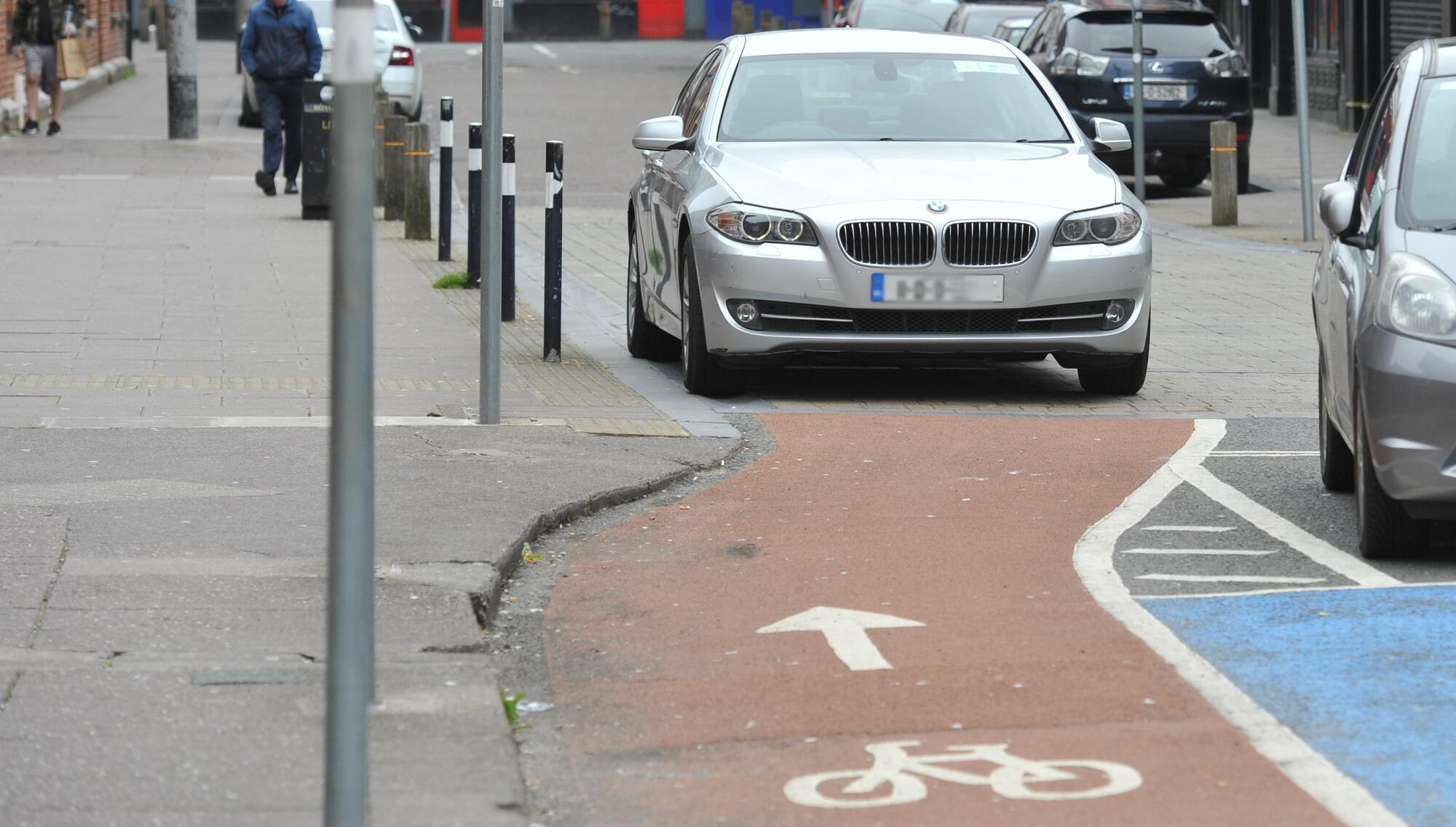
The amended design for the BusConnects Cork sustainable transport corridors removes planned cycle lanes in favour of saving car-parking spaces.	Picture: Clare Keogh

The amended design for the BusConnects Cork sustainable transport corridors removes planned cycle lanes in favour of saving car-parking spaces. Picture: Clare Keogh

The National Transport Authority (NTA) is hailing its newly revamped €600m BusConnects plan for Cork as a victory for compromise.

To those who yearn for the public transport revolution to get people out of cars and onto buses and bicycles, the words concession or even capitulation would be more appropriate.

Following around 3,000 submissions on the first draft of the plan last year, the second phase of public consultation is now open. There’s every chance the already pared-back planned routes could be further watered down.

Getting people out of their cars and onto viable public transport or giving better options to walk or cycle is a key part of the Government’s Climate Action Plan.

Among the aims in the plan are cutting transport emissions by 50%; reducing the total distance driven across all car journeys by 20%; reducing the number of school runs by car by 30%; and for walking, cycling, and public transport to account for 50% of all journeys.

CLIMATE & SUSTAINABILITY HUB

However, the NTA’s revised plan for Cork’s BusConnects has instead saved one-third of car-parking spaces originally earmarked to be sacrificed for bus and cycle lanes.

One of the worst parts of the city for congestion is Wellington Rd in the heart of the northside.

Four primary schools and three secondary schools operate in close proximity, while cars are stuck in traffic jams from 7am every morning along St Luke’s, Summerhill North, and Ballyhooly Rd.

Anyone who faces the wearying commute in the morning knows the all-too-familiar stink of petrol and diesel.

Add to that the constant din ringing in the ears, horns beeping, cigarette smoke puffing out of car windows into the morning air, and invariably one or two snarling motorists getting the hump with others who may take a chance to slip in front.

God help those who try and walk through that stinking mess every morning and evening, considering the well-understood links between serious ailments such as strokes and poor air quality.

Simply put, the horror show getting to and from school or work around Wellington Rd, Ballyhooly Rd, and Summerhill North is a microcosm of the car-centric dystopian nightmare we designed our way into in the 20th century.

We got ourselves into this mess, convinced ourselves car journeys were best practice, and in many cases, convinced ourselves that a public transport and cycling solution to a major societal ill was pie-in-the-sky.

The original BusConnects design had cycle lanes earmarked for Wellington Rd, with some of the dozens of existing car spaces being sacrificed. The new design has taken out the cycle lanes and the car spaces have been saved. Nearby Gardiner’s Hill no longer has cycling infrastructure planned either.

Constituents of local representatives received letters in recent weeks hailing the saving of car-parking spaces and removal of planned cycle lanes in the area as a victory for residents who expressed concerns about the original design.

There is no panacea, but getting more people out of cars and onto buses or bikes is a good idea. Picture: Larry Cummins

The new design in the latest iteration of the BusConnects plan speaks of how “proposed bus lanes on Summerhill North have been removed...with parking re-instated and footway widths maintained” and “the proposed cycle tracks along Wellington Rd have been replaced by a quiet street treatment”.

Quiet streets, according to the NTA, are deemed suitable for cyclists sharing the roadway with the general traffic without the need to construct segregated cycle tracks or painted cycle lanes because of the low amount of general traffic.

Can Wellington Rd really be classed as a quiet street?

NTA chief executive Anne Graham insisted the pared-back scheme is about compromise, not outright caving.

“It is compromise; we have to provide the best solution for the public transport system and cycling infrastructure. That is our priority, to make sure we achieve the bus priority that we need,” she said. “We can achieve that in some locations by bus gates rather than end-to-end bus lanes.

“It does mean that we can retain some on-street car-parking spaces. It’s about getting that balance right; this is another proposal for consultation.

“If people feel that we haven’t got the balance right, then we would like to hear that as well. It’s another means of delivering the same level of priority.”

So-called bus gates are akin to loading bays, in that they will be on parts of the road that are open to all users, save for certain busy hours of the day, when they will be for buses only.

Two options

In order for that to work, there are two options.

The first is to rely on the goodwill of motorists to abide by the conditions and times. Considering that many motorists cannot even abide by the requirement to stay out of yellow boxes on the road, this seems like naivety.

If goodwill won’t work, there is the option of enforcement, whereby fines are given by local authorities through the use of the evidence from cameras on the back and front of buses and pole mounts. That could get ugly in a hurry, creating a them-and-us narrative between local authorities and citizens.

There is no panacea, but getting more people out of cars and onto buses or bikes is a good idea.

According to analysis from Hannah Daly, University College Cork professor of sustainable energy and energy-systems modelling, the number of cars on our roads has tripled since 1990.

“In 1986, less than a quarter of primary school pupils travelled to school by car,” she wrote in 2021.

“That share is now 60% and increasing. For secondary students, the share has increased from 11% to 42%.

“Only 2% of secondary school students now cycle to school, when in 1986, more students actually cycled than went to school by car.”

'Political courage needed'

Last year, she told this reporter that Ireland will not reduce emissions without political courage locally.

Community representatives will need to be unafraid of “ruffling a few feathers” along the way, she said.

“This is going to be a challenge for the rest of all our lives. It is never going to be enough, so we are going to have to do what we can,” said Prof Daly.

“I think there is still a mentality on the ground among councillors and others that we need climate action, but not here, not now, not us.”

Given the resistance from local representatives to elements of the BusConnects plan in their localities, Prof Daly’s words resonate. We either get serious about public transport and active travel or we will all be stuck in Wellington Rd situations for decades.

CLIMATE & SUSTAINABILITY HUB

More in this section

Revoiced

Newsletter

Had a busy week? Sign up for some of the best reads from the week gone by. Selected just for you.

Cookie Policy Privacy Policy Brand Safety FAQ Help Contact Us Terms and Conditions

© Examiner Echo Group Limited