Staffing crisis: Challenges of a century still haunting dentistry in Ireland
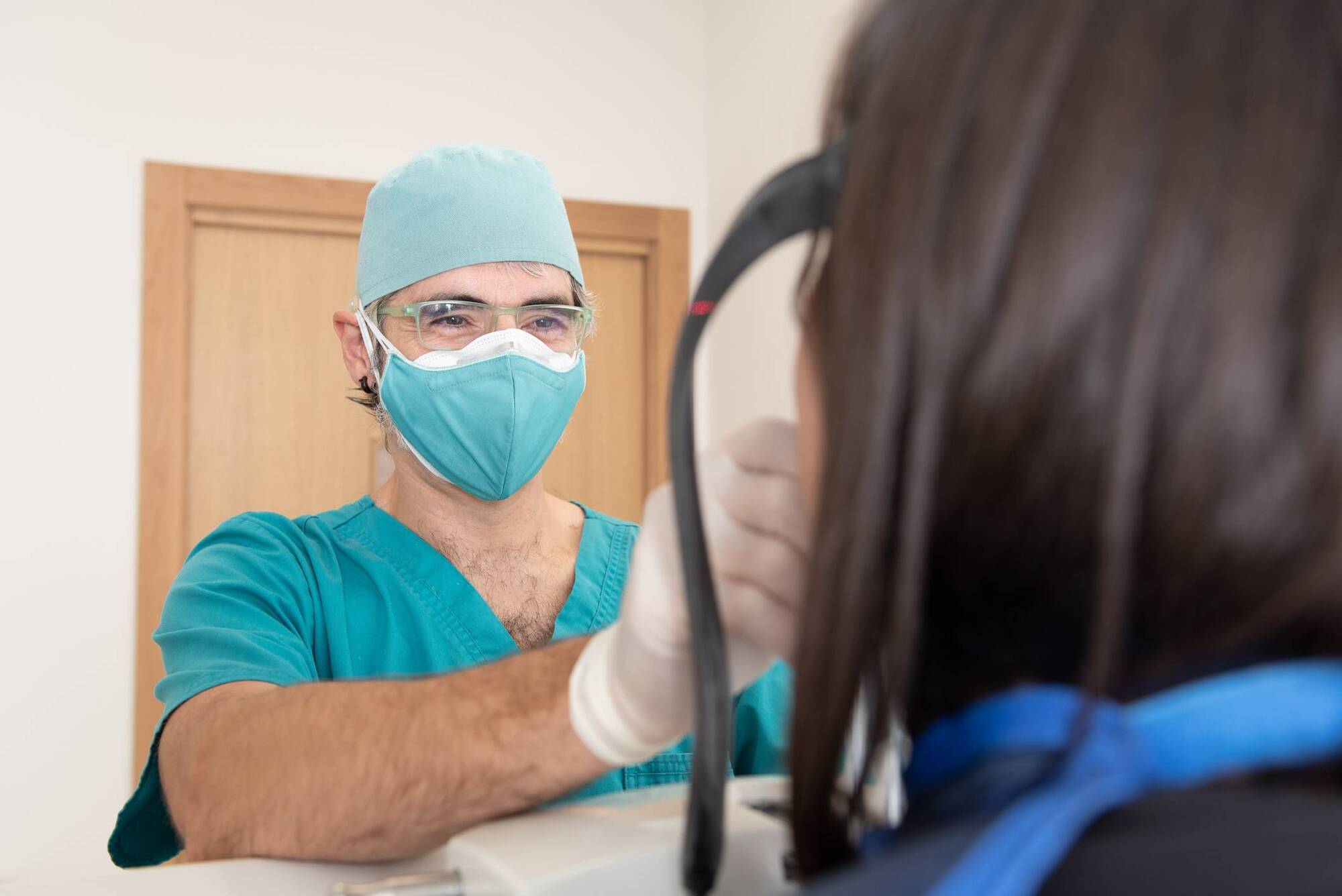
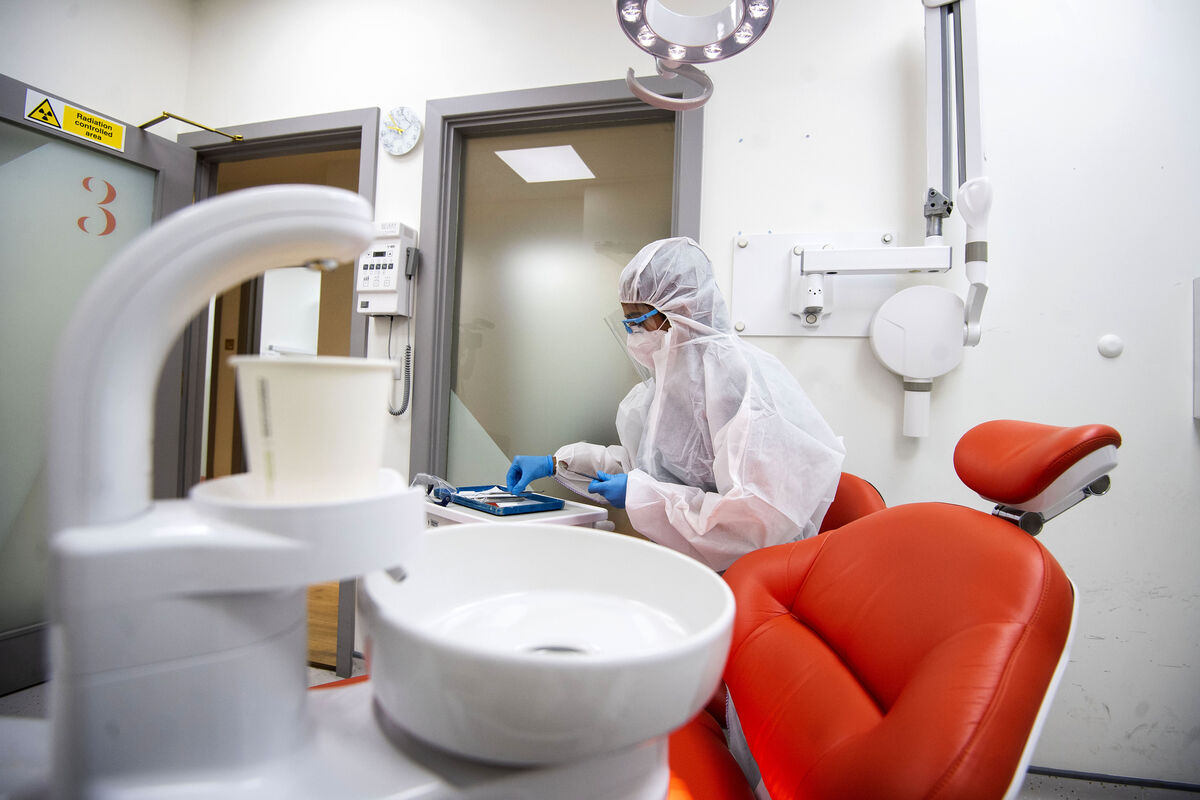
We estimate that we need hundreds more dentists, hygienists, and dental nurses to meet the needs of rising population and to replace retiring dentists from both public and private sectors. File picture
In 2023, the Irish Dental Association celebrates its 100th year and a history that is intrinsically linked with the foundation of the Irish state and decisions made — for better or worse — by successive Governments and policymakers over this period.
As we mark milestones and moments, we celebrate the advancements and achievements of Irish dentists and dental practitioners, as well as the legislators that foresaw and promoted the role of oral health in the overall health of the nation.
We can also see, however, the key junctures at which national decisions were taken that fundamentally changed how dental care could be provided, the effects of which are still being felt today.
Take, for example, dental screening in schools. The first Governor General of the Irish Free State, TM Healy, advocated for enhanced dental treatment for school children both at the Irish Dental Association’s inaugural AGM and in the Oireachtas a century ago.
Back then, it was observed that dental disease had a highly detrimental effect on economically and socially disadvantaged populations, which could be alleviated by giving proper attention to the health of children’s teeth. As a result, the promotion of a public dental service was prioritised by government to address the health of the nation.
By 1935, medical inspection schemes for National Schools had been introduced in the four county boroughs and 18 counties of the Free State. The scheme covered over 80% of the national school population and plans were made to complete the roll-out the following year.
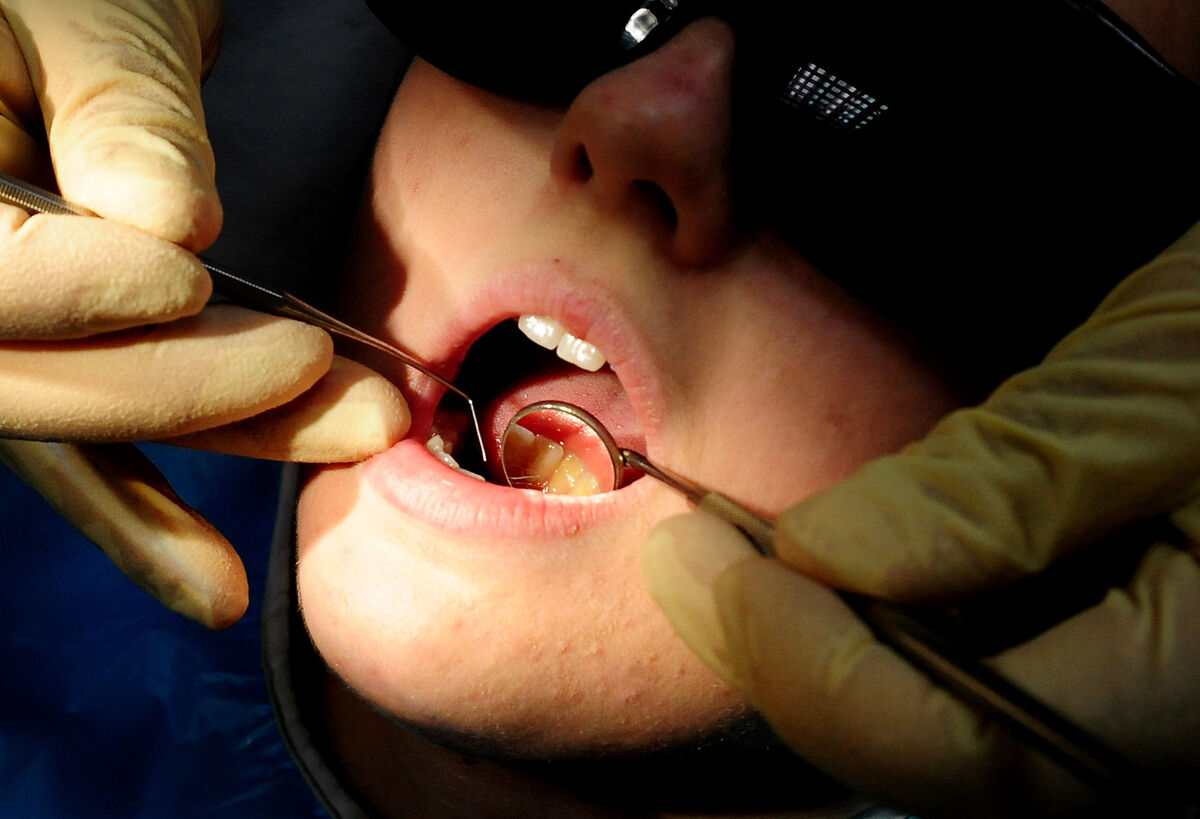
Today, however, we find ourselves with a school screening service that is virtually non-existent and where thousands of children are awaiting care. Indeed, in some parts of the country, there is a backlog of almost 10 years in accessing the service, and children that should be having check-ups in second, fourth and sixth class are not having the first of these until fourth year of secondary school.
There are currently two-year waiting lists for treatments requiring General Anaesthetic with dentists saying that they are being forced to choose which children they believe are suffering the most pain and treat them ahead of patients who may have already been waiting months or years.
Understaffing and a lack of resources in the public dental service is being blamed for the delays with the numbers of practising public-only dentists having dropped by almost one quarter (23%) in the past 15 years, decreasing from 330 in 2006 to 254 in 2022. At a minimum, the HSE would need to hire 76 dentists immediately to bring the service back to the levels it was 15 years ago.
As we enter our centenary year, a staffing and resourcing crisis in the dental sector is the single biggest issue facing dentists and, unless addressed, will mean that access to important dental care — particularly for those most vulnerable in our society — will become more and more challenging.
But this isn’t anything new. As far back as the late 1930s, Ireland was grappling with a shortage of dentists.
Addressing members at the AGM in 1942, Donough O’Brien, President of the Irish Dental Association, put starkly that “dentists were one of the exports of the country as a considerable number, when qualified, were compelled to emigrate to seek a livelihood.”
Back then, the issue wasn’t with producing dentists – who passed through our universities in healthy numbers – it was holding onto them. It's remarkable how closely the same rings true today.
Our dental schools in UCC and Trinity respectively have not seen any significant expansion or investment in decades and, fundamentally, do not produce enough dentists or dental practitioners, to meet patient demands. While promised, the planned development of a new dental school in UCC has not seen any progress since Minister Simon Harris turned the sod on the development in 2019.
But that’s only part of the problem.
These schools rely on the fees generated by international students. Last year, 50% of the 300 students enrolled in our dental schools in Cork and Dublin were from overseas, which effectively means that barely half of the 70 dentists who graduate from our dental schools opt to practice in Ireland long term.
By comparison, 80 years ago, 60 students were enrolled in the Republic and chose to practice locally.
This underlines the current reality that fewer and fewer dental graduates are opting to join the dental workforce here in Ireland. We estimate that we need hundreds more dentists, hygienists, and dental nurses to meet the needs of rising population and to replace retiring dentists from both public and private sectors.
These are the impacts of Governments past and present that still haunt us today.
And the list goes on.
A vocational training scheme for dental graduates was abolished. Dental nurses were added to the list of ineligible occupations for work permits, meaning that no non-EEA dental nurse can get a work permit to work in Ireland.
Legislation to regulate dentistry — which would ensure the highest standards of education and training for the benefit of patients — has long been promised but there is still no sign of a new bill imminent.
The existing legislation dates from 1985, and, while the legislation regulating medicine, nursing, pharmacy, and veterinary medicine has been overhauled in recent years, there has been no modernisation of the legislation regulating dentistry, despite our repeated calls for same.
The medical card scheme was established in 1994 and, following the financial crisis of 2008, reimbursement levels to dentists were reduced and treatments available to medical card holders were suspended or available in emergency cases only.
Perversely, this scheme — which predates the internet and mobile phones — dictates what materials dentists can use and what procedures can be carried out. Only teeth extractions are unlimited.
There are now barely 600 dentists operating this scheme for 1.5 million adults nationally.
So, our call, as we move into our centenary year, is once again directed to our Government and, in particular, the Minister for Health to, not only join us in reflection, but be the catalyst for positive action and critical reform.
We all have a choice to either learn from the past and change or allow history to continue to repeat itself. As we reflect on the past 100 years of dentistry in Ireland, we hope that our policy makers do likewise.
- Fintan Hourihan is Chief Executive of the Irish Dental Association. The Irish Dental Association celebrates its Centenary in 2023.
CONNECT WITH US TODAY



Be the first to know the latest news and updates