Daniel McConnell: English's demise raises a host of questions

The truth is that English’s error was so staggeringly breathtaking that no amount of congeniality or niceness can excuse it.
This is the last thing they would have wanted.
The new Dáil term has not even begun and this Government has now lost its fourth minister after the departures of Barry Cowen, Dara Calleary and Robert Troy.
Neither Taoiseach Leo Varadkar nor Tánaiste Micheál Martin feel Damien English deserves to lose his Dáil seat, notwithstanding his gross failure to declare his property when seeking planning permission.
The fall of Damien English was swift and dramatic but utterly inevitable, given the gravity of the “mistake” he made.
For one of the Dáil’s most genial and likeable characters, who had for a long time been knocking on the door of Cabinet, it came on foot of a most alarming discovery about his own property interests.
The truth is that English’s error was so staggeringly breathtaking that no amount of congeniality or niceness can excuse it.
He wilfully, for whatever reason, failed to tell the truth in his declaration.
On Tuesday night, the On The Ditch website published a story that English, who was junior Enterprise Minister right up to Wednesday, had not declared the ownership of a house when he submitted a planning application for his own family home in Castlemartin in 2008.
The Ditch had already scalped another junior minister in Fianna Fáil’s Robert Troy, who fell on his sword last summer on foot of his failure to properly declare his property interests.
We had seen a raft of politicians make amendments to their Dáil register of interests in the wake of Troy’s resignation in a bid to avoid controversy, including some of the Dáil leading lights.
But the manner of English’s demise raises a host of questions about his actions.
Was it credible he merely forgot to declare his ownership of his property when making his 2008 planning application?
Is it credible he never once in 15 years felt there was a problem?
In his statement, English said: “Yesterday in an online article, questions were raised about my planning application from 14 years ago. I reviewed this application, made in 2008, and it is clear to me that I failed to inform Meath County Council about ownership of my house in Castlemartin.”
English as late as yesterday was seeking to reject any claims of impropriety, saying it was in compliance with the Standard in Public Office’s rules and regulations.
English said his non-declaration of a property in Castlemartin, Co Meath, on the Dáil register of interests was within the rules laid down by the Standards in Public Office Commission (Sipo).
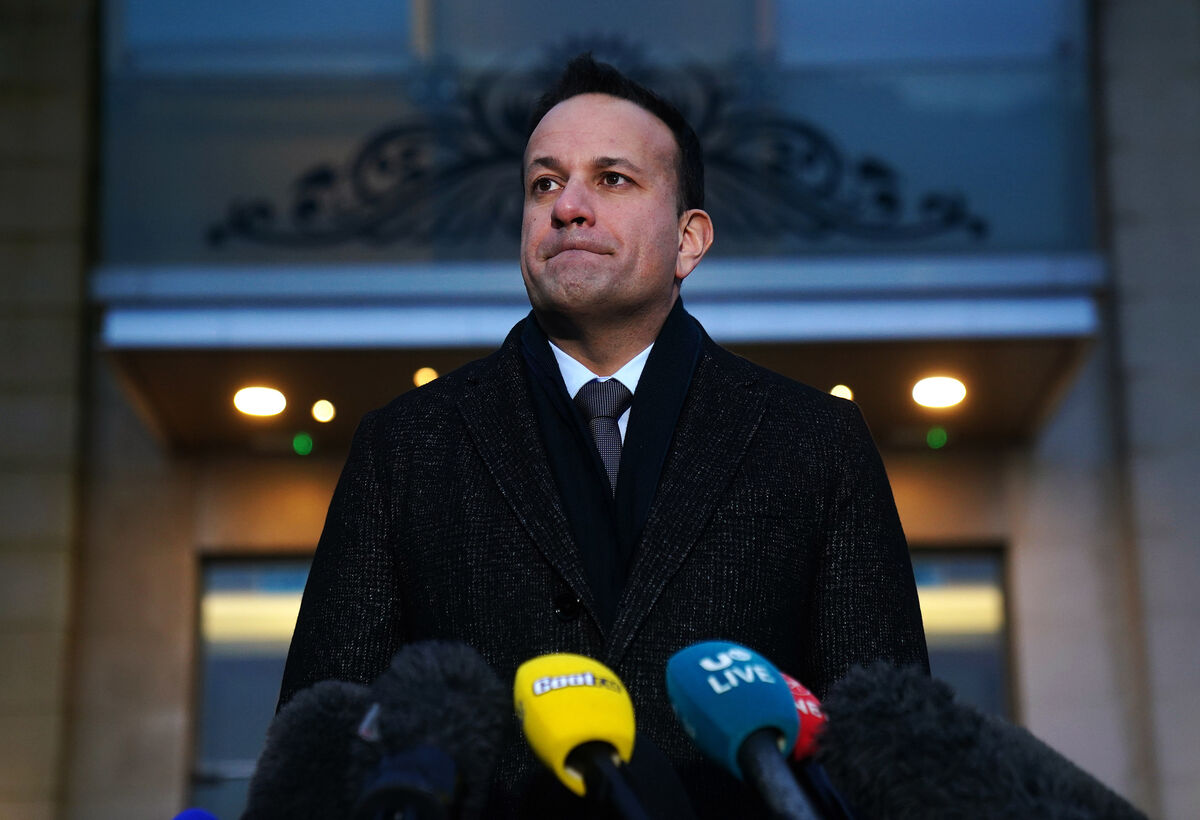
English and his boss Taoiseach Leo Varadkar will hope his speedy resignation will help draw a line on the affair and allow the Government move on, but such hopes are fanciful.
This is not an insignificant issue and the Taoiseach and Tánaiste’s lack of hunger for accountability tells its own story.
Varadkar told reporters in Belfast that English has paid a high enough price by losing his ministry.
But, there are some who feel Varadkar should have rejected English’s resignation and sacked him outright in recognition of his error.
The Tánaiste said he did not want to be “vindictive” in seeking English’s head.
Not even the opposition, who have made complaints to Sipo about English’s actions, were calling for his Dáil seat to be vacated, a sign of how well regarded English is across the political spectrum.
There is plenty of talk of the system needing to change and greater oversight powers.
With a toothless Sipo, politicians have been allowed to disregard the seriousness of their public declarations.
Hopefully, the resignations of Troy and English will force them to get their house in order.
CONNECT WITH US TODAY



Be the first to know the latest news and updates